As a pet parent, you want the best for your furry friend, and that includes their oral health. Just like humans, dogs can suffer from dental issues that affect their overall well-being. A commonly overlooked yet crucial aspect of maintaining your dog’s health is regular teeth cleaning. Whether you’re aware of it or not, dental health plays a significant role in your pet’s overall quality of life. In this blog, we will explore the key benefits of dog teeth cleaning, how it impacts your pet’s health, and why you should make it a part of your routine pet care.
Understanding Dog Dental Health:
Dental care for dogs isn’t just about keeping their teeth white and their breath fresh. The health of your dog’s teeth and gums is directly linked to their overall health. Without proper care, dogs can develop a variety of dental issues, such as tartar build-up, gum disease, and even tooth loss. Over time, these problems can lead to more severe health issues, including heart disease, liver problems, and kidney disease.
While some dogs may show no obvious signs of dental problems, others might experience discomfort. This discomfort often goes unnoticed because pets can’t verbally communicate when something is wrong. Regular dog teeth cleaning helps prevent these issues, ensuring your pet remains healthy and happy.
The Importance of Regular Teeth Cleaning:
- Prevention of Gum Disease:
Gum disease, also known as periodontal disease, is one of the most common dental issues in dogs. It occurs when plaque and tartar build up on the teeth, leading to inflammation and infection in the gums. If left untreated, this can result in tooth loss and more serious systemic health issues. Regular teeth cleaning helps remove plaque and tartar before it have the chance to cause gum disease, protecting your pet’s mouth from pain and infection. - Freshens Breath:
One of the most noticeable benefits of regular dog teeth cleaning is fresher breath. Bad breath, or halitosis, is often a result of bacteria and plaque build-up in the mouth. By maintaining a clean mouth, you help reduce the accumulation of harmful bacteria and prevent unpleasant odors. This means you can enjoy cuddling with your dog without worrying about their breath. - Reduces the Risk of Tooth Loss:
Dogs can experience tooth loss just like humans. When plaque and tartar are left to accumulate on the teeth, they can lead to the deterioration of tooth enamel, causing the teeth to become weak and eventually fall out. Regular dental care helps maintain the strength and integrity of your dog’s teeth, reducing the risk of tooth loss as they age. - Improves Overall Health:
The connection between oral health and overall health is undeniable. Poor dental hygiene in dogs can lead to infections that spread to vital organs like the heart, liver, and kidneys. By investing in regular teeth cleaning for your dog, you’re not just protecting their mouth; you’re also supporting their entire body. Clean teeth reduce the bacteria that can enter the bloodstream and cause systemic health issues. - Prevents Painful Dental Conditions:
Dental conditions like abscesses, infected gums, and oral tumors can cause significant pain for your dog. If left untreated, these conditions can lead to severe discomfort and a reduced quality of life. Regular teeth cleaning helps identify any early signs of dental problems, allowing for prompt treatment before they become painful and complicated to treat.
How Often Should You Clean Your Dog’s Teeth?
The frequency of your dog’s teeth cleaning depends on their breed, size, and oral health. Generally, it’s recommended to brush your dog’s teeth at least 2-3 times a week. However, some breeds are more prone to dental issues and may require more frequent cleanings. Regular vet check-ups can also help determine the appropriate cleaning schedule for your pet. In addition to home care, professional cleanings performed by your veterinarian should be done annually or as recommended.
At-Home vs. Professional Teeth Cleaning:
While brushing your dog’s teeth at home is a crucial part of their oral health routine, it’s important to schedule professional cleanings with your veterinarian. Professional cleanings remove plaque and tartar that accumulate below the gumline, which can’t be reached by brushing alone. These cleanings also give the veterinarian an opportunity to check for any underlying dental problems that might need treatment.
What Happens During a Professional Teeth Cleaning?
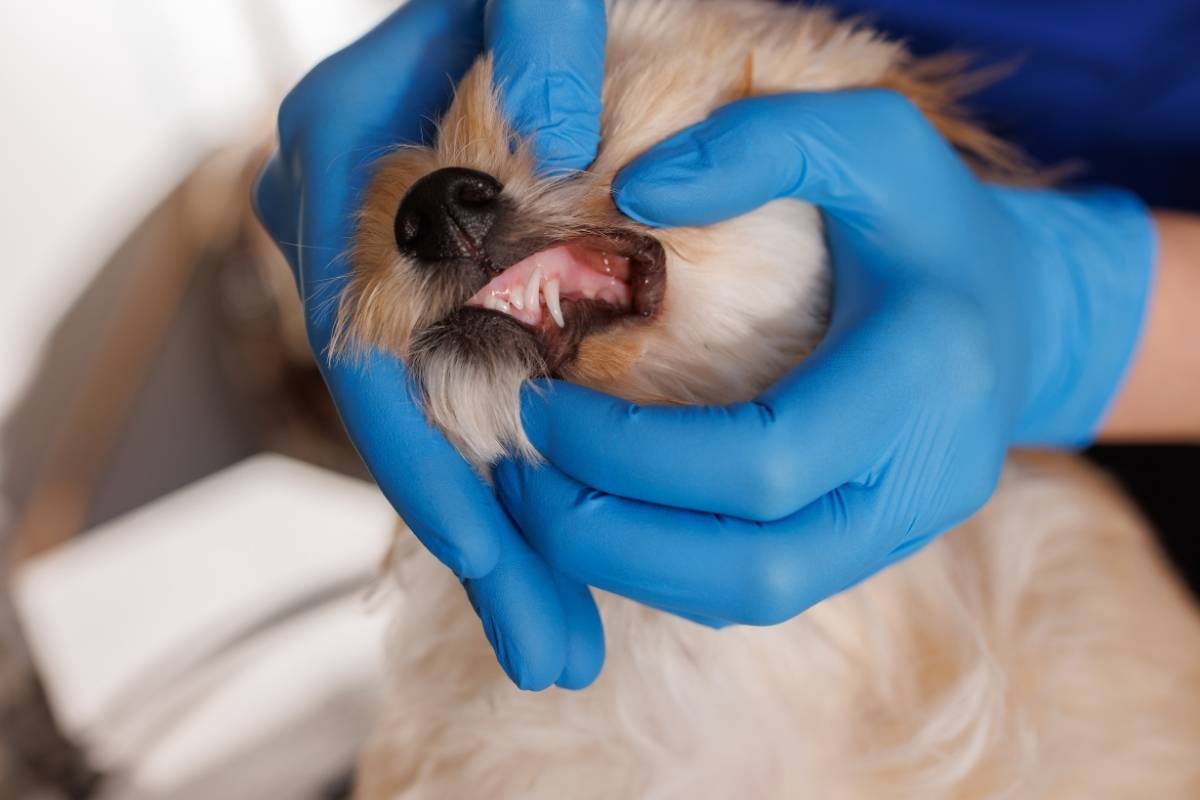
During a professional teeth cleaning, your dog will undergo a thorough dental exam. The veterinarian will examine the teeth, gums, and mouth for any signs of disease or infection. Your dog will then be sedated to ensure they remain calm and still throughout the procedure. The veterinarian will use special tools to remove plaque and tartar, clean beneath the gumline, and polish the teeth to prevent further plaque build-up. After the cleaning, your dog will be given post-care instructions to ensure they heal well.
Tips for Maintaining Your Dog’s Oral Health:
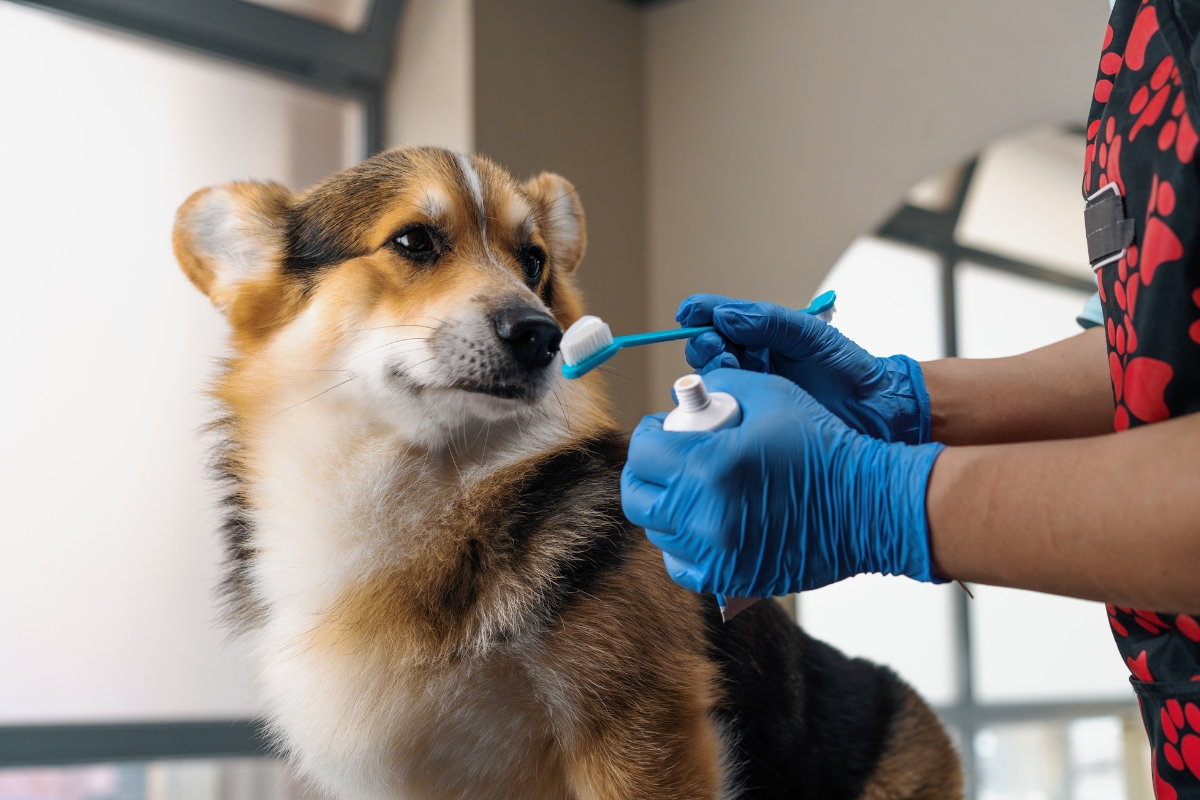
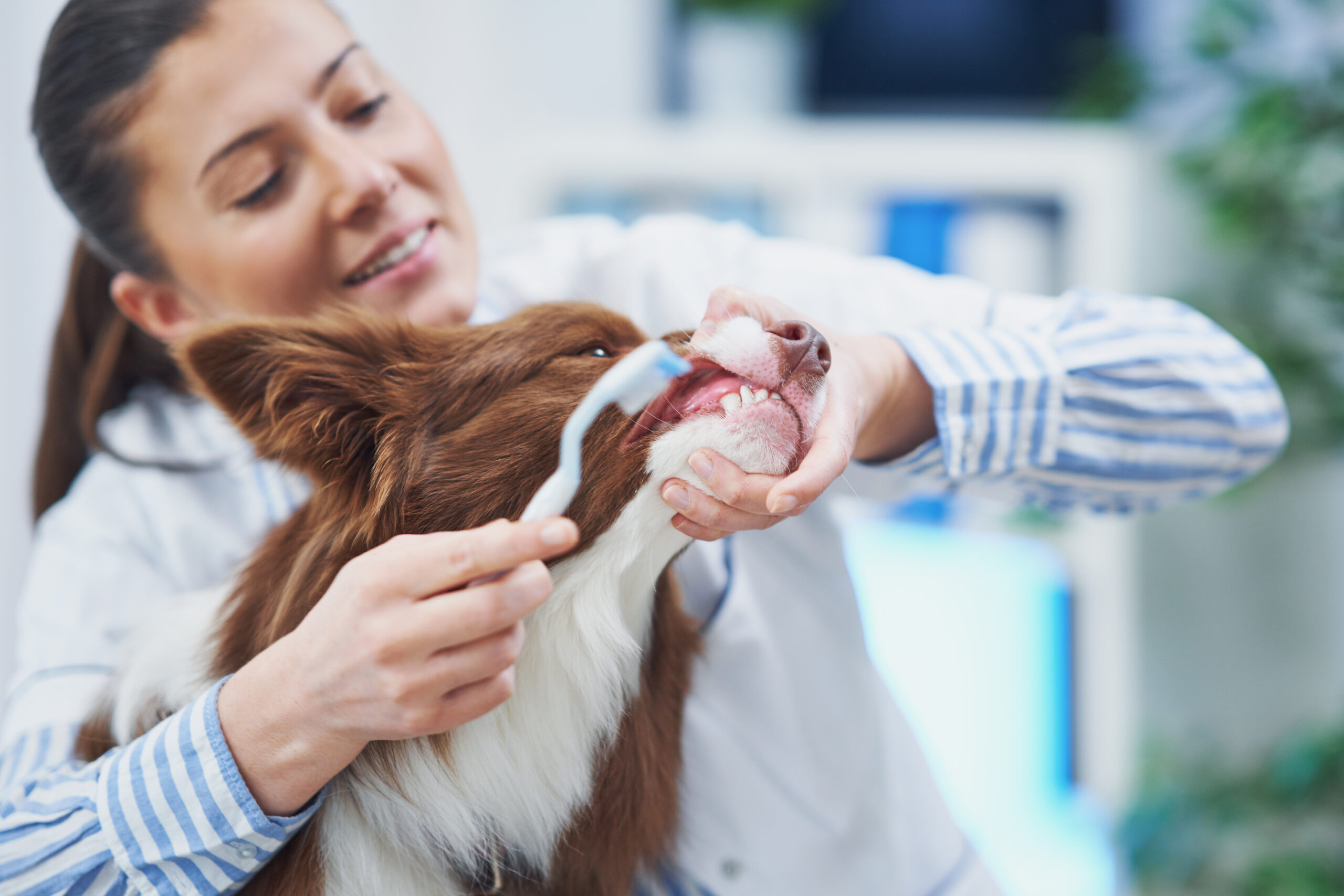
- Brush your dog’s teeth regularly: Use a toothbrush and toothpaste designed specifically for dogs. Aim to brush their teeth 2-3 times a week.
- Provide dental chews or toys: Dental chews and toys help to reduce plaque and tartar build-up while satisfying your dog’s natural chewing instincts.
- Offer a balanced diet: A healthy diet rich in nutrients can help prevent dental issues. Consult with your vet about the best food for your dog’s oral health.
- Schedule regular vet visits: Regular vet check-ups are essential to monitor your dog’s dental health and catch any issues early.
As you can see, dog teeth cleaning is not just about maintaining a pretty smile—it’s about ensuring your pet’s overall health and well-being. Regular teeth cleaning prevents painful dental conditions, reduces the risk of systemic health issues, and can even help extend your dog’s lifespan. If you’re looking for dog dental care in Asheville, NC, make sure to schedule an appointment with Haw Creek Animal Hospital to give your pet the care they deserve.
FAQs:
Q1. Why is teeth cleaning important for my dog?
Ans. Teeth cleaning prevents gum disease, bad breath, and tooth loss. It also improves your dog’s overall health by reducing the risk of infections that can affect vital organs.
Q2. How often should I clean my dog’s teeth?
Ans. Aim to brush your dog’s teeth 2-3 times a week. Professional cleanings should be done annually or as recommended by your vet.
Q3. Can bad breath be a sign of dental problems in dogs?
Ans. Yes, bad breath in dogs can be a sign of plaque build-up, gum disease, or other dental issues. Regular teeth cleaning can help freshen their breath and prevent further problems.
Q4. What happens if I don’t clean my dog’s teeth regularly?
Ans. If teeth aren’t cleaned regularly, your dog can develop gum disease, tooth loss, and infections that can spread to other parts of their body, leading to more serious health issues.
Q5. Can I clean my dog’s teeth at home?
Ans. Yes, brushing your dog’s teeth at home is an important part of their oral health care routine. You should also schedule regular professional cleanings with your vet.
Q6. What should I do if I notice my dog has a tooth problem?
Ans. If you notice any signs of dental issues, such as swollen gums, loose teeth, or difficulty eating, schedule a vet visit immediately to address the problem early.