Adopting a cat is an exciting experience, but it can also come with a period of adjustment. A newly adopted cat may need time to feel safe, understand a new routine, and become comfortable with handling. Dental health should become part of that routine, but it is important to introduce oral care gradually rather than making it another source of stress.
Every cat has a different history. Some cats may have received regular preventive care before adoption, while others may have had limited handling or dental attention. Therefore, starting with patience and observation can make daily oral hygiene much easier for both you and your cat.
Start With a Veterinary Dental Assessment
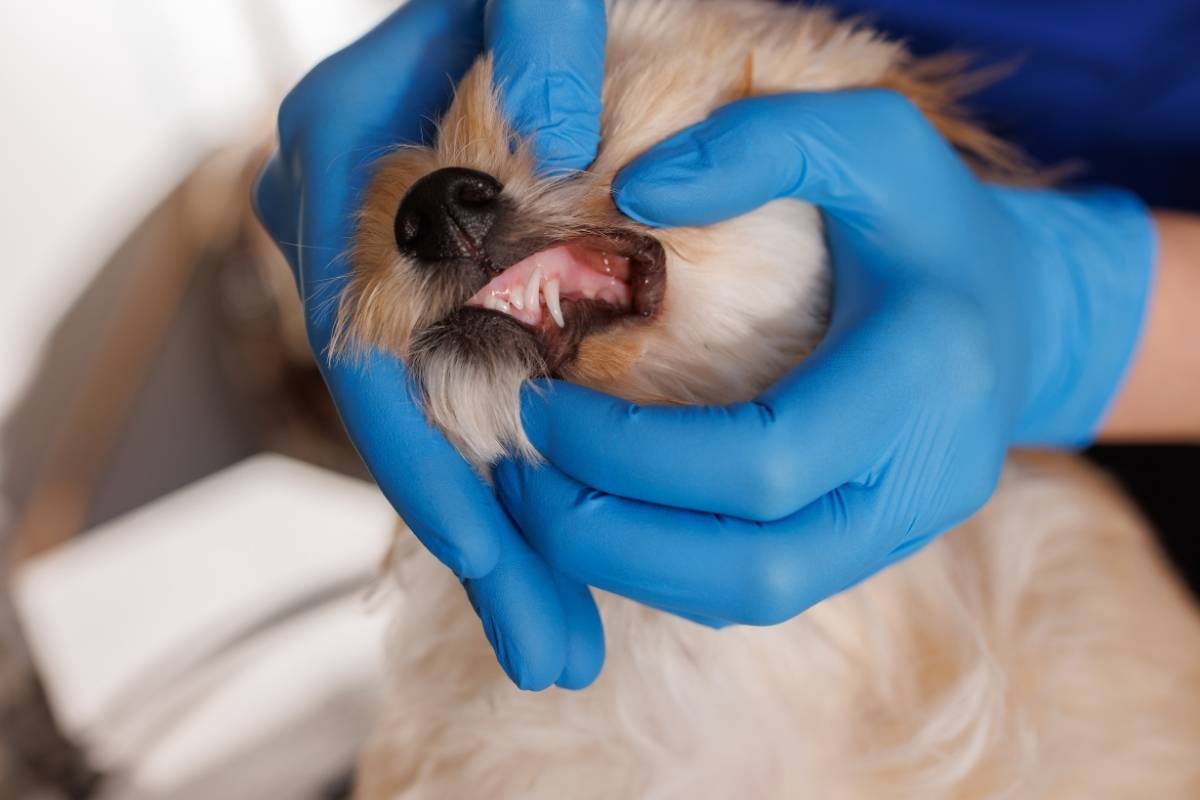
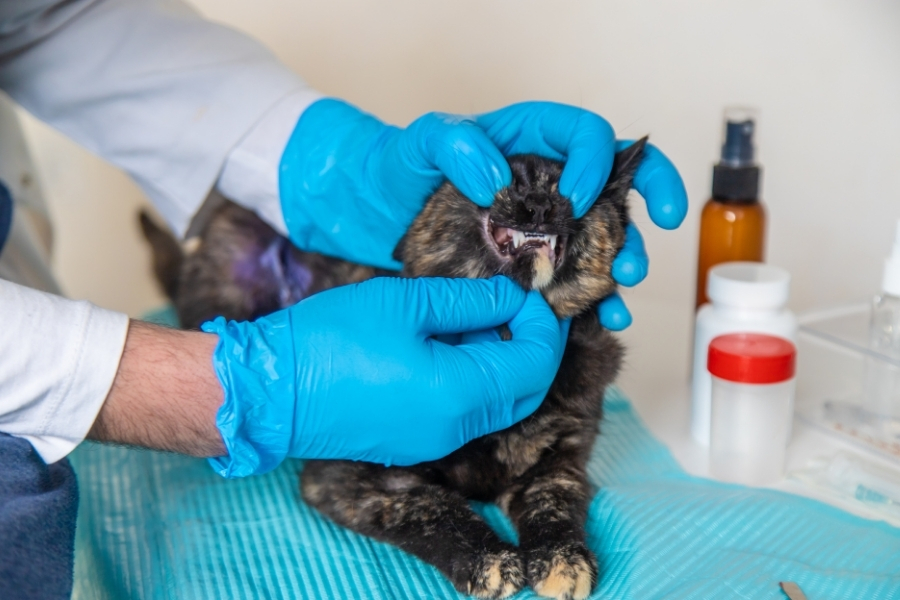
Before beginning a home dental routine, consider having your newly adopted cat examined by a veterinarian. A professional assessment can help identify existing problems such as tartar buildup, gum inflammation, broken teeth, oral pain, or other changes that may not be obvious at home.
This initial visit also gives you an opportunity to discuss cat dental care and learn which products and techniques are appropriate for your pet. If your cat has significant dental disease, professional treatment may be recommended before starting a home brushing routine.
Give Your Cat Time to Adjust
After adoption, avoid introducing too many new experiences at once. Your cat may already be adapting to unfamiliar people, smells, sounds, food, and surroundings. Consequently, forcing mouth handling immediately can create fear and make future dental care more difficult.
Instead, establish a predictable routine first. Allow your cat to explore the home and identify comfortable resting areas. Once your cat begins to relax around you, gradually introduce gentle handling around the head and face.
Watch body language carefully. Flattened ears, tail flicking, hiding, growling, or sudden attempts to escape can indicate that your cat needs a break.
Introduce Mouth Handling Gradually
Begin with simple touches rather than brushing. During a calm moment, gently stroke your cat’s cheeks and chin. If your cat remains relaxed, briefly lift the lip to look at the teeth without putting anything inside the mouth.
Keep each session short and positive. A few seconds may be enough at first. Reward calm behavior with praise, affection, or a small treat that fits your cat’s diet.
Over several sessions, gradually increase the amount of handling. The goal is to help your cat understand that having the mouth area touched does not always lead to something uncomfortable.
Choose Cat-Safe Dental Products
Once your cat accepts basic mouth handling, introduce a toothbrush or dental finger brush designed specifically for cats. Human toothpaste should not be used because some ingredients can be unsafe for pets.
Choose a veterinary-approved toothpaste formulated for cats. Let your cat smell and taste a small amount before attempting to brush. This approach can make the toothbrush feel less unfamiliar.
When your cat seems comfortable, gently brush a few teeth at a time. Focus primarily on the outer surfaces where plaque commonly accumulates. You do not need to complete a long brushing session on the first attempt.
Build a Consistent Routine
Consistency matters more than trying to accomplish everything immediately. Start with short sessions and gradually work toward regular brushing. If your cat becomes uncomfortable, stop and try again later.
A calm routine can also help you notice changes in your cat’s mouth. Watch for red or swollen gums, persistent bad breath, excessive drooling, difficulty chewing, dropping food, pawing at the mouth, or changes in eating habits.
These signs should not simply be attributed to your cat adjusting to a new home. Oral discomfort can affect appetite and behavior, so noticeable changes deserve veterinary attention.
Know When Professional Dental Care Is Needed
Home brushing supports oral hygiene, but it cannot replace professional dental examinations or treatment when disease is already present. Some dental problems occur below the gumline and cannot be identified through a quick look at home.
Your veterinarian may recommend a professional dental procedure when there is substantial tartar, periodontal disease, damaged teeth, or other oral concerns. Depending on the situation, dental X-rays may also help evaluate areas that cannot be seen during a routine visual examination.
Regular examinations are particularly valuable for newly adopted cats because their previous medical and dental history may be incomplete.
Make Dental Care a Positive Experience
Positive reinforcement can make a major difference. Avoid chasing your cat with a toothbrush or holding the mouth open against your cat’s will. Instead, create a calm environment and reward cooperation.
Choose a quiet time when your cat is naturally relaxed. Keep the first few sessions brief, and finish before your cat becomes frustrated. Gradually increasing the duration can help establish trust.
You can also make dental care part of an existing routine, such as grooming or evening bonding time. With repetition, your cat may become more comfortable with the process.
Common Mistakes to Avoid
Several common mistakes can make dental care harder after adoption. First, do not rush the process simply because you want to establish a routine quickly. Second, avoid using human dental products. Third, never ignore signs of oral pain because your cat continues to eat.
Additionally, do not assume that dental treats alone provide complete oral hygiene. Dental diets, treats, water additives, and other products may complement a routine, but your veterinarian can help determine which options are appropriate for your cat.
When to Contact a Veterinarian
Seek veterinary advice if your cat develops persistent bad breath, bleeding gums, facial swelling, difficulty eating, excessive drooling, loose teeth, or obvious mouth pain. Sudden changes in eating behavior also deserve attention.
A newly adopted cat may need additional time to become comfortable with veterinary visits and home handling. Therefore, patience, positive reinforcement, and regular professional guidance can create a much healthier long-term routine.
Support Your Cat’s Long-Term Oral Health
A gentle approach can turn dental care into a manageable part of your newly adopted cat’s routine. Start slowly, reward cooperation, use cat-safe products, and pay attention to changes in your cat’s mouth or eating habits. With patience and professional guidance, you can help protect your cat’s oral health while strengthening trust.
Schedule your appointment with Haw Creek Animal Hospital to discuss your cat’s dental health, professional examination needs, and a comfortable home oral-care routine.
Frequently Asked Questions
Q1. When should I start dental care after adopting a cat?
Ans: Start with a veterinary examination and allow your cat time to settle into the new home. Once your cat appears comfortable, gradually introduce gentle mouth handling before attempting brushing.
Q2. Can I use human toothpaste for my cat?
Ans: No. Human toothpaste may contain ingredients that are not appropriate for cats. Use toothpaste specifically formulated for pets and follow your veterinarian’s recommendations.
Q3. How often should I brush my cat’s teeth?
Ans: Daily brushing is generally the ideal goal because plaque can accumulate quickly. However, consistency is important, so start gradually and establish a schedule your cat can tolerate.
Q4. What if my rescue cat refuses toothbrushing?
Ans: Do not force the process. Return to an earlier step, such as touching the cheeks or briefly lifting the lip, and use positive reinforcement. Gradually rebuild your cat’s comfort.
Q5. Does bad breath always mean my cat has dental disease?
Ans: Persistent bad breath can be a sign of dental disease, although other health problems can also contribute. A veterinary examination can help determine the underlying cause.
Q6. Can dental treats replace toothbrushing?
Ans: Dental treats may provide additional oral hygiene support, but they should not automatically be considered a replacement for brushing or professional dental care. Ask your veterinarian which options fit your cat’s needs.