Most cat owners stay on top of annual wellness exams, vaccines, and parasite prevention, but dental health often gets overlooked. The truth is, oral disease is one of the most common conditions seen in adult cats, and it can quietly affect your cat’s overall well-being long before any visible signs appear.
Fall is a natural reset point for many households. The summer rush slows down, routines settle back in, and it becomes easier to focus on things that may have been put off. That makes autumn one of the most practical times of year to schedule a dental checkup for your cat. At Haw Creek Animal Hospital, serving pet owners in Asheville, NC, dental care is treated as a core part of every cat’s preventive health plan, not an afterthought.
Understanding Feline Dental Disease
Cats are skilled at hiding pain. A cat with a sore mouth will often continue eating, grooming, and behaving relatively normally, at least for a while. This means dental problems can progress significantly before a pet owner notices anything wrong.
The most common oral health conditions in cats include:
Periodontal Disease: This is the most frequently diagnosed dental condition in cats. It begins with plaque buildup, progresses to tartar, and eventually leads to gum inflammation (gingivitis) and infection deep in the tissue surrounding the teeth. By age three, most cats show at least early signs of periodontal disease.
Tooth Resorption: A painful condition unique to cats in which the tooth structure begins to break down from the inside out. It often goes undetected without a professional exam and dental X-rays.
Stomatitis: A severe, chronic inflammation of the mouth that can cause significant pain and make eating difficult. This condition requires prompt veterinary attention.
Retained Deciduous Teeth: Sometimes seen in younger cats, where baby teeth don’t fall out as expected, leading to crowding and increased risk of infection.
Signs That Your Cat May Have a Dental Problem
Since cats rarely show obvious signs of dental pain, knowing what subtle changes to look for can help you act early. Watch for:
- Reluctance to eat hard food or chewing only on one side
- Drooling more than usual
- Pawing at the mouth or face
- Bad breath that is noticeably strong or foul
- Yellow or brown buildup along the gumline
- Red, swollen, or bleeding gums
- Dropping food while eating
- Weight loss or decreased appetite over time
- Changes in grooming habits
If your cat is showing any of these signs, a dental exam is overdue. Even if your cat appears symptom-free, a professional evaluation is the only way to assess what’s happening below the gumline.
What Happens During a Feline Dental Exam
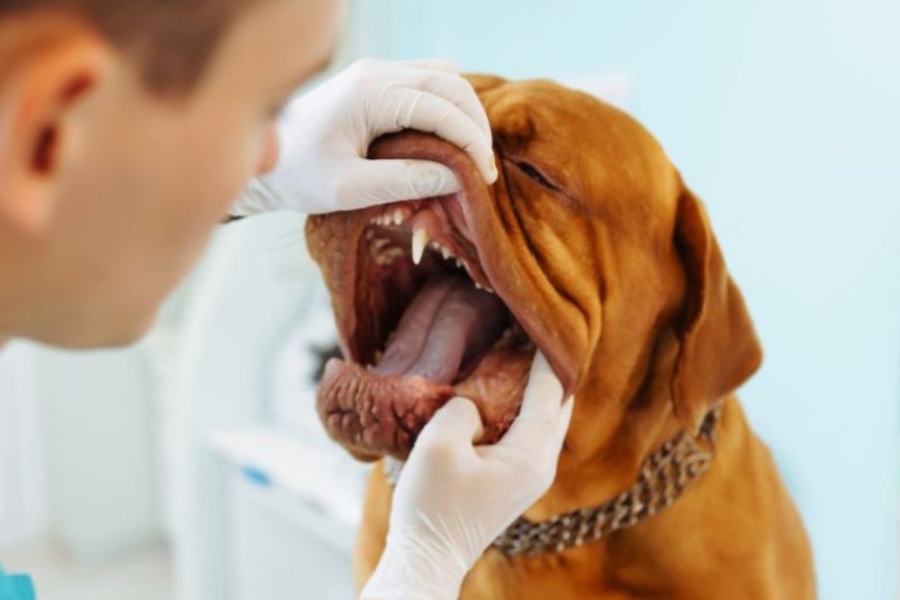
A professional dental checkup goes far beyond a quick look in the mouth. During a comprehensive feline dental exam, your veterinarian will evaluate the teeth, gums, tongue, roof of the mouth, and surrounding tissues. If a cleaning is needed, it is performed under general anesthesia, which is the only safe and effective way to thoroughly clean a cat’s teeth, both above and below the gumline.
Dental X-rays are a critical part of this process. A significant portion of each tooth sits below the gumline and cannot be assessed visually. Radiographs allow veterinarians to identify hidden fractures, bone loss, root disease, and tooth resorption that would otherwise go undetected.
After a professional cleaning, the teeth are polished to smooth the enamel surface, which helps slow future plaque accumulation.
The Whole-Body Connection: Why Oral Health Matters Beyond the Mouth
Feline dental disease is not just a mouth problem. Bacteria from infected gums can enter the bloodstream and travel to the heart, kidneys, and liver, organs that cats are already prone to disease in as they age. Research has consistently linked untreated periodontal disease in cats to increased risk of kidney disease and heart conditions.
This is why addressing dental health proactively is so important. Treating an infection early is far simpler, less costly, and less stressful for your cat than managing advanced organ damage later.
How Pet Dentistry Fits Into Preventive Care
The term pet dentistry often brings to mind cleanings and extractions, but modern veterinary dental care covers a much broader scope. Advances in pet dentistry now include digital dental X-rays, treatment for tooth resorption, management of stomatitis, and oral surgery, all performed with the same attention to pain management and patient comfort used in human dental care.
Establishing a relationship between your cat’s dental needs and their veterinary care team means that trends in their oral health are tracked over time. A veterinarian who has seen your cat’s dental history across multiple years can detect changes earlier and recommend intervention at the right time.
Home Dental Care Between Professional Visits
Professional cleanings are essential, but what happens between visits matters too. Here are practical steps cat owners can take at home:
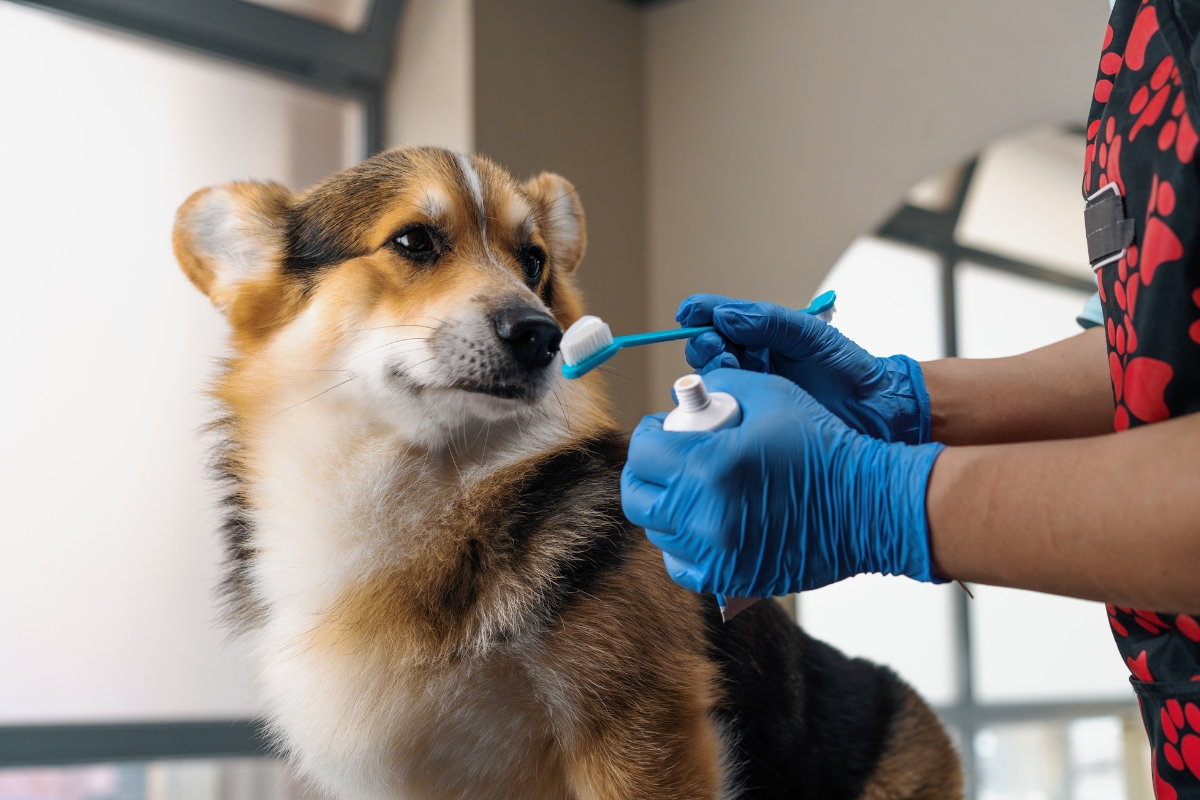
Tooth Brushing: Daily brushing with a cat-safe toothpaste (never human toothpaste) is the most effective way to reduce plaque. Even a few times per week makes a meaningful difference. Start slowly, using a finger brush or soft-bristled pet toothbrush.
Dental Treats and Chews: Look for products with the Veterinary Oral Health Council (VOHC) seal, which indicates clinically proven effectiveness at reducing plaque or tartar.
Dental Diets: Prescription dental diets use a specific kibble texture that mechanically scrubs the tooth surface as your cat chews.
Water Additives: Some cats tolerate dental rinses added to their water, which can help reduce bacterial load in the mouth.
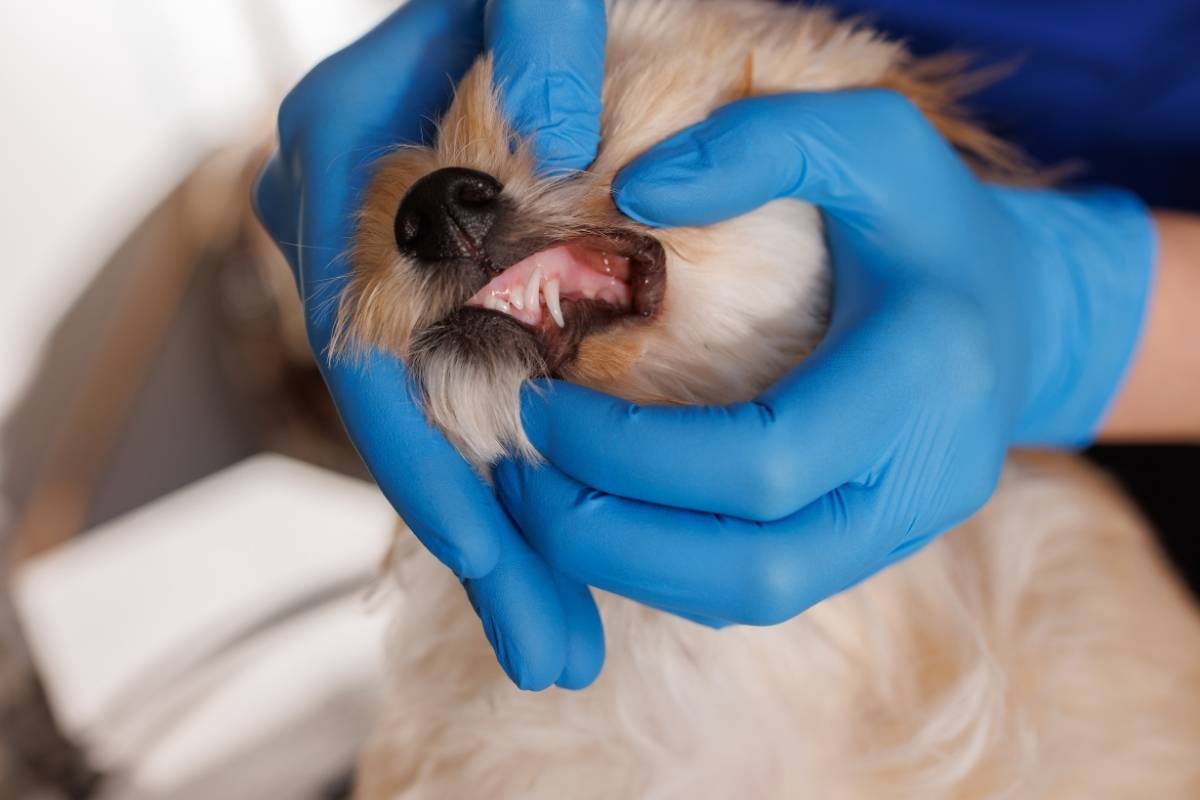
Regular Monitoring: Make it a habit to gently lift your cat’s lips every few weeks to look at the teeth and gums. Familiarity with what’s normal makes it easier to spot changes.
Why Fall Is the Right Time to Schedule That Checkup
There are a few practical reasons that fall stands out as a smart window for scheduling your cat’s dental checkup:
- Many veterinary practices are slightly less busy after the summer vacation season, making it easier to get a timely appointment.
- Scheduling now gives you time to address any issues before the busy holiday season, when disruptions to routine can make recovery and post-care more complicated.
- If your cat needs a dental cleaning or procedure under anesthesia, cooler temperatures mean less heat-related stress during recovery.
- Year-end health goals and insurance deductibles often reset in January, making it financially strategic to complete dental work before then.
Make This Fall the Start of Better Oral Health for Your Cat
Dental disease in cats is common, progressive, and often silent, but it is also highly preventable with consistent professional care and attention at home. Whether your cat is due for their first dental exam or it has been a few years since their last checkup, fall is an excellent time to get back on track.
If you are in Asheville, NC, and want guidance from a vet near you on protecting your cat’s long-term oral health, schedule your appointment with Haw Creek Animal Hospital. Our team is here to give your cat the thorough, compassionate dental care they deserve, starting with a comprehensive exam tailored to their individual needs.
Frequently Asked Questions From Local Cat Owners
Q1: How often does my cat need a professional dental cleaning?
Ans. Most cats benefit from a professional dental cleaning once a year. However, some cats, particularly small-breed cats, seniors, or those with a history of dental disease, may need more frequent care. Your veterinarian will recommend a schedule based on your cat’s individual needs.
Q2: Is anesthesia safe for my cat during a dental cleaning?
Ans. Yes, when performed by a trained veterinary team with proper pre-anesthetic bloodwork and monitoring equipment, anesthesia is considered safe for most healthy cats. Pre-operative screening helps identify any underlying conditions that need to be addressed before the procedure.
Q3: My cat is eating fine — do they still need a dental checkup?
Ans. Absolutely. Cats are natural prey animals and instinctively mask pain. Many cats with significant dental disease continue eating normally until the condition becomes severe. A professional exam is the only reliable way to assess your cat’s oral health.
Q4: What does a cat dental cleaning cost, and is it worth it?
Ans. Costs vary depending on the extent of disease and whether extractions are needed. While professional dental care represents an investment, it is almost always less expensive than treating advanced infections, tooth resorption, or the organ damage that can result from untreated oral disease. Many pet insurance plans also cover dental cleanings.
Q5: Are certain cat breeds more prone to dental problems?
Ans. Yes. Brachycephalic breeds such as Persians and Himalayans are more susceptible due to tooth crowding caused by their shortened facial structure. Siamese cats also show higher rates of tooth resorption. However, dental disease can affect any cat, regardless of breed.
Q6: Can I use human toothpaste on my cat?
Ans. No. Human toothpaste contains fluoride and other ingredients that are toxic to cats. Always use a toothpaste specifically formulated for cats. These are available in flavors cats find appealing, such as poultry or fish, which can make brushing easier.