A pet’s personality can tell you a surprising amount about their health. Small behavioral changes may sometimes signal physical discomfort. Your playful dog may suddenly avoid toys. Your social cat may start hiding or become less tolerant of touch. These changes can seem behavioral, but oral pain may be the underlying problem.
Dental disease can progress without obvious signs. Some pets even continue eating despite significant oral discomfort. At Haw Creek Animal Hospital, we understand how closely Asheville families watch their pets’ habits. Our pet dental care focuses on identifying oral problems that may affect comfort, eating, activity, and daily behavior.
Understanding these connections can help you recognize problems sooner and protect your pet’s quality of life.
How Can Dental Health Affect a Pet’s Behavior?
Dental problems can cause persistent pain or sensitivity. However, dogs and cats cannot explain where something hurts.
Instead, discomfort may appear through changes in their normal behavior.
A normally affectionate pet might become withdrawn. An energetic dog may lose interest in chew toys. A cat may suddenly resist having its face touched.
These reactions are not necessarily changes in personality. They may be your pet’s way of protecting a painful area.
Veterinary pain assessment often depends on recognizing changes from an individual pet’s normal behavior.
That makes your observations at home especially valuable.
Behavioral Changes That Could Point to Dental Problems
Oral discomfort does not look the same in every pet. Some signs are subtle and can easily be mistaken for aging or mood changes.
Watch for changes such as:
- Becoming unusually quiet or withdrawn
- Hiding more often, especially in cats
- Showing less interest in toys
- Avoiding chew toys or hard treats
- Becoming irritable when touched near the face
- Sleeping more or showing less activity
- Pawing or rubbing at the face
- Acting hesitant around the food bowl
- Dropping food while eating
- Chewing mainly on one side
Dental problems may also cause bad breath, drooling, reduced appetite, bleeding, or swelling around the mouth.
A single behavioral change does not confirm dental disease. However, persistent or unexplained changes deserve veterinary attention.
Why Do Pets Often Hide Dental Pain?
Dogs and cats do not always display pain in ways people expect.
A pet with a painful tooth may still greet you enthusiastically. Another may continue finishing every meal.
That does not mean the mouth is comfortable.
Veterinary dental specialists recognize dental disease as a condition that can progress without obvious clinical signs. Pets with broken teeth may even maintain their usual eating habits.
This makes routine oral examinations important.
Owners should avoid waiting for a pet to stop eating before seeking veterinary help. By then, the problem may already be significant.
Eating Changes May Reveal More Than a Loss of Appetite
Changes around mealtime can provide useful clues about oral health.
A pet experiencing dental discomfort may approach food eagerly but then hesitate. Some pets begin preferring softer foods.
Others may take longer to finish meals.
You might also notice food falling from your pet’s mouth. Abnormal chewing and reduced appetite are recognized warning signs of dental problems.
Pay attention to changes from your pet’s usual eating style.
These details can help your veterinarian understand what may be happening.
What Dental Problems Can Cause Behavioral Changes?
Several oral conditions can make everyday activities uncomfortable.
Periodontal disease can affect the gums and supporting structures surrounding teeth. Broken or damaged teeth can also become painful.
Loose teeth, oral infections, and other abnormalities may cause discomfort.
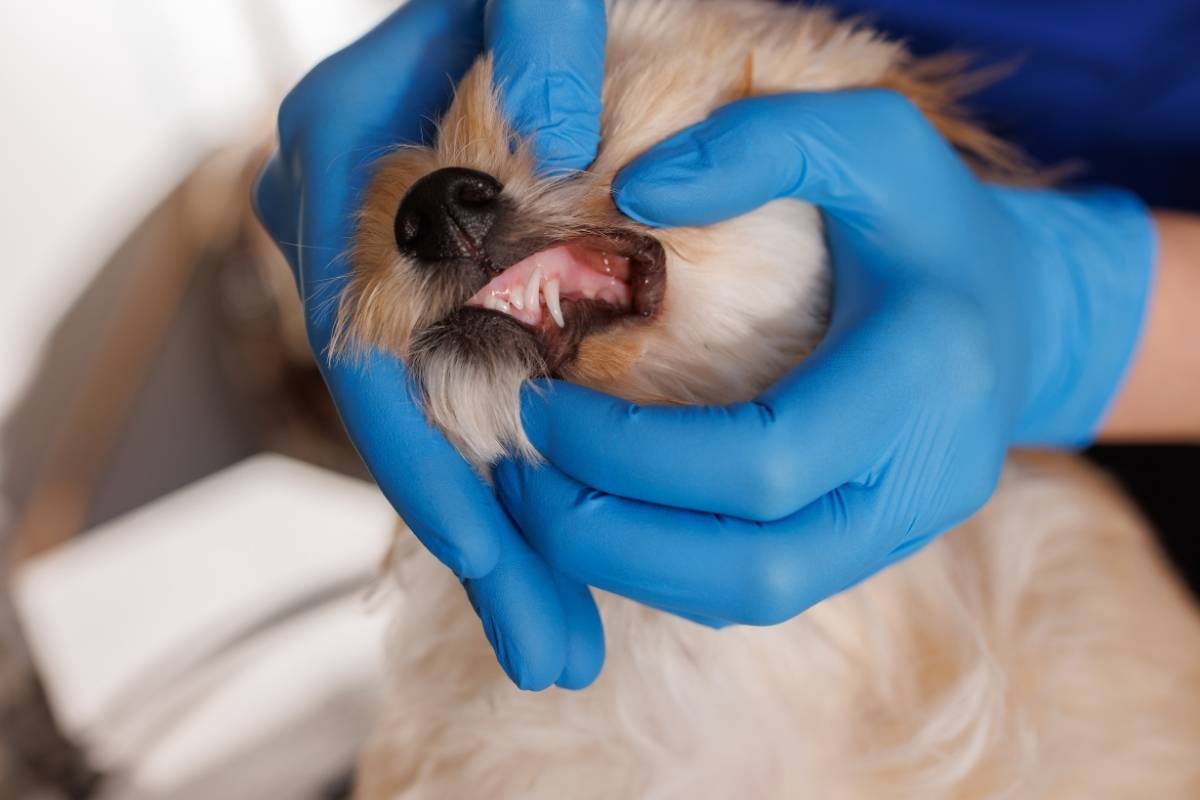
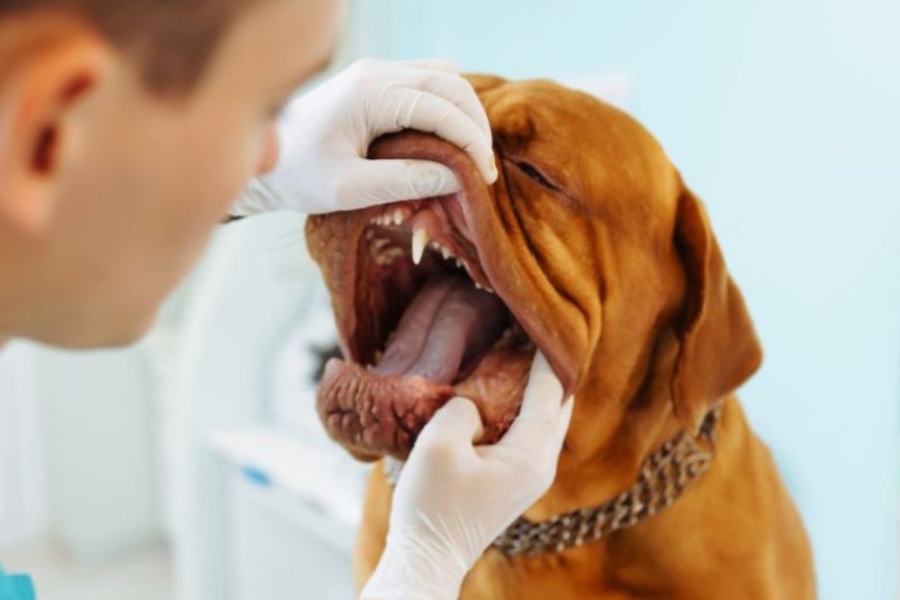
Importantly, some dental disease develops below the gumline. These areas cannot always be evaluated fully by simply looking inside an awake pet’s mouth.
That is one reason professional veterinary evaluation matters.
What Happens During Professional Dental Care?
Dental treatment involves much more than improving breath or removing visible tartar.
At our animal hospital, we provide professional dental cleanings under anesthesia. This allows thorough cleaning above and below the gumline.
An oral examination is also performed, followed by polishing. Dental radiographs may be recommended when appropriate.
Radiographs can help veterinarians assess structures hidden below the gumline. They can reveal problems involving tooth roots and surrounding bone.
Anesthesia also allows dental procedures to be performed while reducing movement, stress, and discomfort.
Can Treating Dental Problems Improve Behavior?
Behavior may improve when oral discomfort is identified and appropriately treated.
A pet that avoided toys may become interested again. A withdrawn pet may become more socially engaged.
However, behavioral changes can have many medical causes.
Pain elsewhere in the body, illness, stress, and age-related changes can produce similar signs.
A veterinary examination helps determine whether the mouth is responsible or another condition needs investigation.
This distinction is important because unusual behavior should never automatically be dismissed as stubbornness or aging.
Supporting Your Pet’s Oral Health at Home
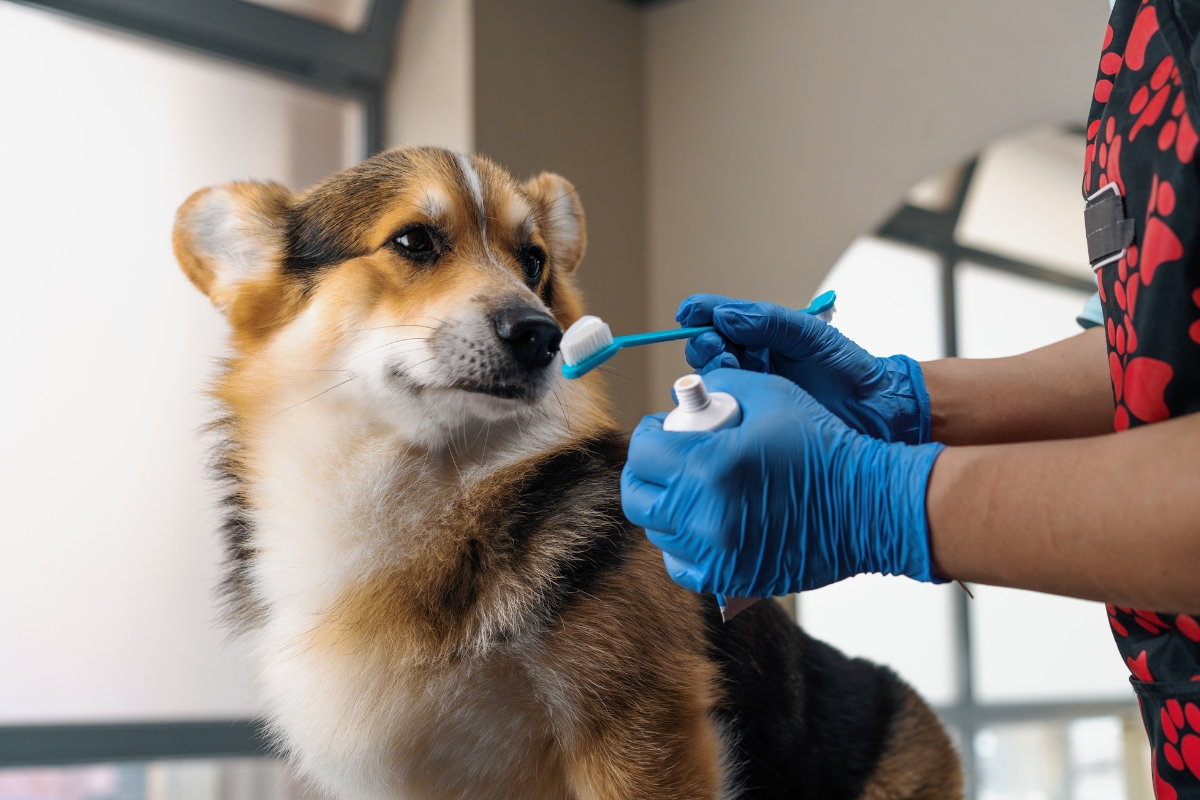
Professional dentistry and home care work together to support long-term oral health. Ask your veterinarian whether tooth brushing is appropriate for your pet. Use toothpaste made specifically for animals.
Starting dental routines early can make home care easier. Our vets encourage introducing gentle brushing during puppy and kitten development when possible. Your veterinarian can also discuss suitable dental products and preventive strategies.
Most importantly, continue watching your pet’s normal habits. You know how your companion usually eats, plays, sleeps, and interacts. Changes in those patterns can provide important health clues.
Help Your Pet Feel Like Themselves Again
Your pet cannot point to a painful tooth. Instead, they communicate discomfort through subtle changes in everyday life. A missed game of fetch may seem insignificant. Hiding under the bed may look like a mood change. Sometimes, these behaviors deserve a closer look at oral health. Haw Creek Animal Hospital provides quality pet dental care in Asheville and surrounding communities.
If your pet’s behavior has recently changed, consider whether their mouth could be contributing. Schedule an appointment to uncover problems your pet cannot communicate.
Frequently Asked Questions
Q1. Can dental problems cause behavior changes in dogs?
Ans. Yes. Oral discomfort may make dogs quieter, less playful, irritable, or reluctant to chew. Some dogs also avoid facial handling.
Q2. Why is my cat suddenly hiding more than usual?
Ans. Cats may hide when experiencing pain or illness. Dental discomfort is one possible cause, especially when hiding accompanies eating or grooming changes.
Q3. Will a pet still eat if they have dental pain?
Ans. Yes. Some pets continue eating despite significant dental disease. Normal appetite alone does not rule out painful oral problems.
Q4. What are common signs of dental disease in pets?
Ans. Common signs include bad breath, abnormal chewing, drooling, dropping food, reduced appetite, oral pain, bleeding, and facial swelling.
Q5. Can bad breath mean my pet has dental disease?
Ans. Persistent bad breath can be associated with oral disease. A veterinary examination can identify the cause and determine whether treatment is needed.
Q6. Why are dental X-rays sometimes necessary for pets?
Ans. Much of a tooth lies below the visible gumline. Dental radiographs help evaluate tooth roots, jawbone, and other hidden structures.
Q7. How often should my pet’s dental health be checked?
Ans. The AVMA recommends having a veterinarian check a pet’s teeth and gums at least annually. Individual pets may need more frequent evaluations.