Bad breath, or halitosis, in dogs is a common issue, but it’s often overlooked by pet owners. While the occasional odor is normal, persistent foul breath can be a sign of underlying dental problems that may lead to more serious health conditions. As a dog owner, it’s important to address the root cause of bad breath and understand the role that good dental care plays in maintaining your dog’s health. Regular dental hygiene is just as essential for your dog as it is for you, and poor dental care can lead to issues such as gum disease, tooth decay, and even heart problems.
In this guide, we’ll explore the common causes of bad breath in dogs and provide practical tips on how to improve your dog’s oral health. If you are in Asheville, NC, and want to improve your dog’s dental care routine, this blog will help you understand the steps you can take to reduce bad breath and ensure your dog’s teeth and gums remain healthy.
1. Understanding the Causes of Bad Breath in Dogs
Bad breath in dogs is often a sign of poor dental care or an underlying medical condition. Identifying the cause of your dog’s halitosis is the first step toward improving their oral health.
- Periodontal Disease: The most common cause of bad breath in dogs is periodontal disease. This occurs when plaque and tartar build up on the teeth and gums, leading to inflammation and infection. As bacteria thrive in this environment, it can result in a foul smell coming from your dog’s mouth.
- Dental Decay and Cavities: Though less common than periodontal disease, dental decay can also cause bad breath. Cavities form when food particles and bacteria build up on the teeth, leading to enamel damage and possible infection.
- Gingivitis: Gingivitis is an early stage of gum disease that occurs when plaque builds up on the teeth. Symptoms include red, swollen gums and bad breath. If left untreated, gingivitis can progress to more severe gum disease.
- Oral Tumors or Growths: In rare cases, oral tumors or growths can develop in a dog’s mouth, causing persistent bad breath. These tumors may affect the gums, tongue, or teeth, and can result in an unpleasant odor.
- Foreign Objects: If your dog chews on toys, sticks, or other objects, something may get lodged between their teeth or in their mouth, causing irritation and bad breath.
- Kidney Disease: Kidney disease can cause a distinct type of bad breath known as “uremic breath.” This happens when the kidneys fail to filter toxins properly, and the waste products are expelled through the mouth.
2. How to Improve Your Dog’s Bad Breath With Regular Dental Care
Now that you understand some of the causes of bad breath in dogs, it’s time to focus on how you can improve their oral hygiene to prevent and reduce bad breath. Dental care for dogs is essential for their overall health, and there are several ways you can keep your dog’s teeth and gums in good condition.
- Brush Your Dog’s Teeth Regularly
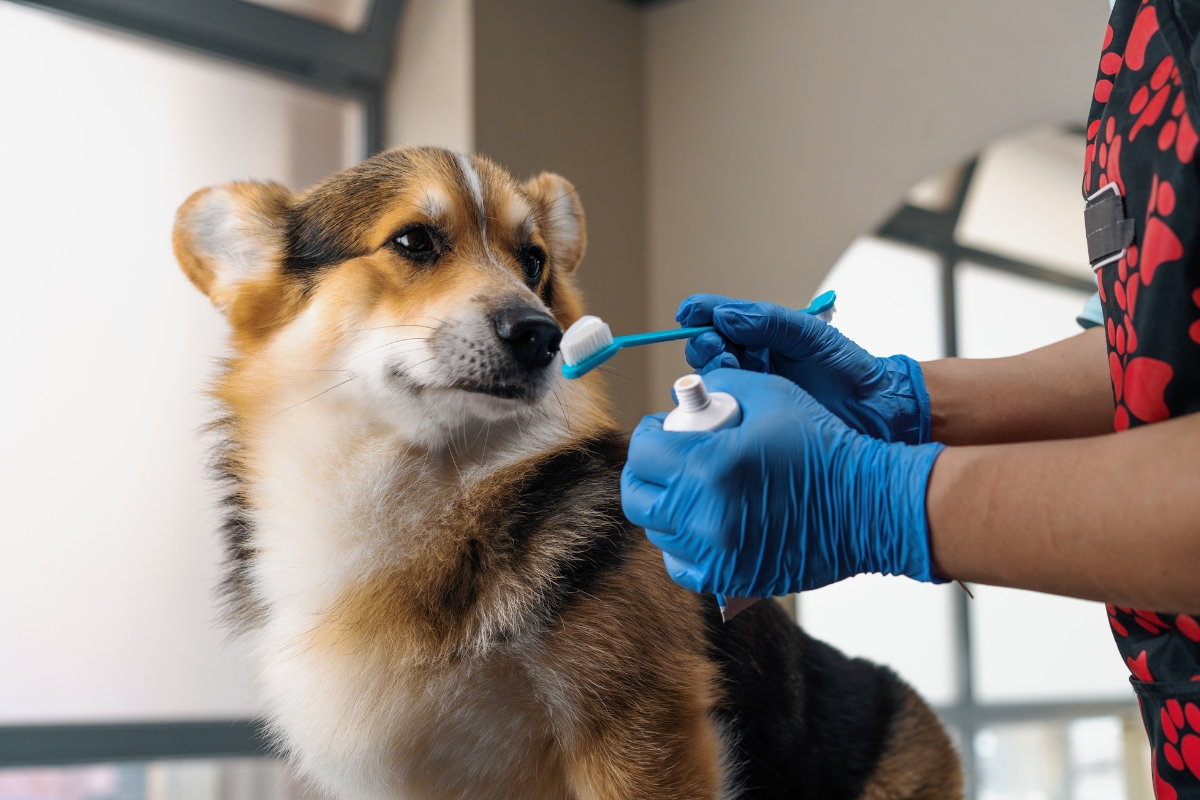
Brushing your dog’s teeth is one of the most effective ways to combat bad breath and prevent dental problems. You should use a toothbrush and toothpaste specifically designed for dogs, as human toothpaste can be harmful to them. Aim to brush your dog’s teeth at least 2-3 times a week. If your dog is not accustomed to brushing, start slowly and gently, allowing them to become comfortable with the process. - Provide Dental Chews and Toys
Dental chews and toys are a fun and engaging way to help reduce plaque buildup on your dog’s teeth. Choose products that are specifically designed for dog dental care. These chews help clean your dog’s teeth while also offering mental stimulation and entertainment. Keep in mind that dental chews should be used as a supplement to, not a replacement for, brushing your dog’s teeth. - Offer a High-Quality Diet
A high-quality, well-balanced diet can help improve your dog’s dental health and reduce bad breath. Avoid feeding your dog sugary treats or human food, as these can contribute to plaque buildup and gum disease. Some specially formulated dog foods are designed to promote oral health by reducing plaque and tartar. - Schedule Regular Veterinary Checkups
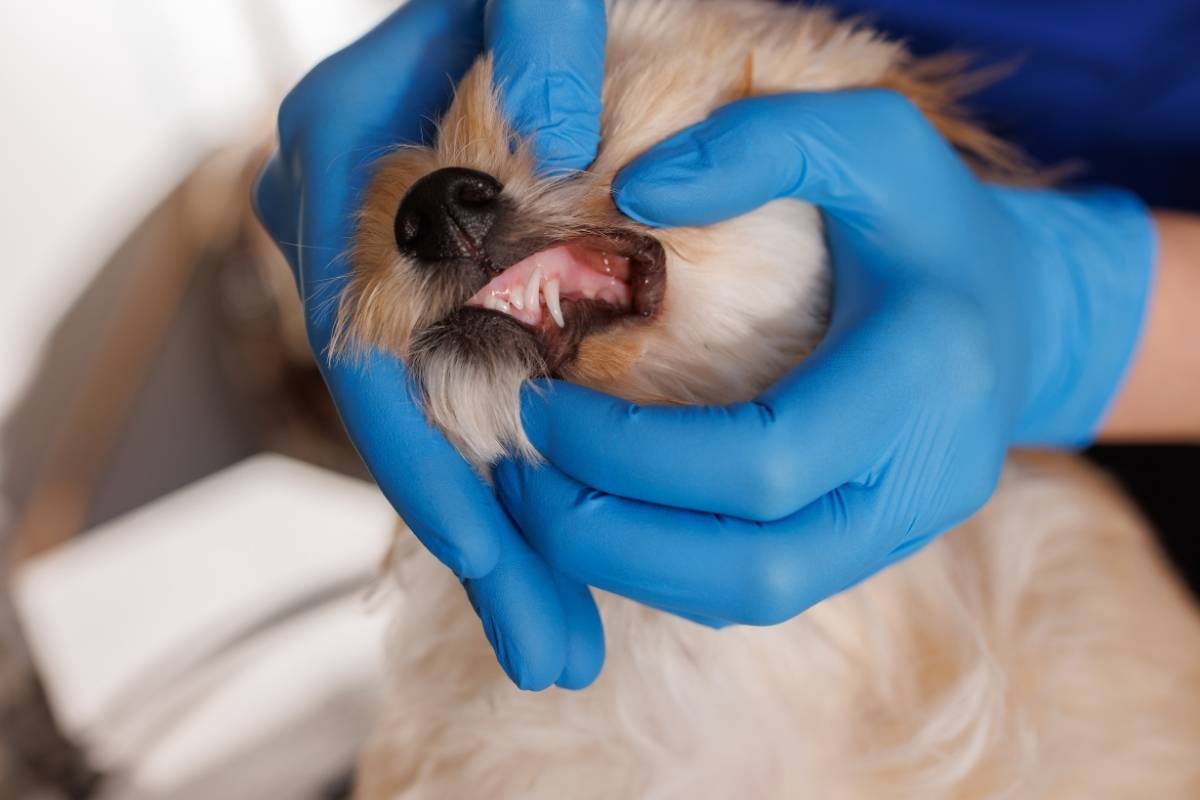
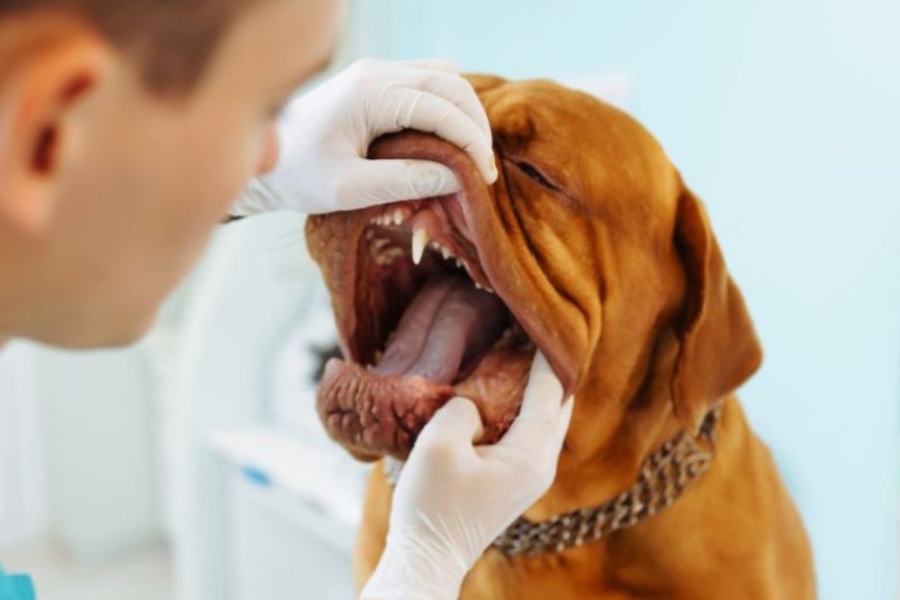
Regular veterinary checkups are crucial for maintaining your dog’s overall health, including their dental health. During routine exams, your veterinarian can check for signs of gum disease, tooth decay, and other dental issues. Professional cleanings may be necessary to remove plaque and tartar that brushing alone cannot address.
3. When to Seek Professional Help for Bad Breath
While mild bad breath is common, persistent or foul-smelling breath may signal a more serious underlying issue. If your dog’s bad breath doesn’t improve with home care or if it worsens, it’s time to consult your veterinarian.
- Excessive Drooling: If your dog is drooling more than usual, it could be a sign of dental disease or other health problems.
- Swollen or Bleeding Gums: Swollen, red, or bleeding gums are a common sign of gum disease and should be addressed promptly.
- Loss of Appetite or Weight Loss: If your dog is not eating properly or is losing weight, it could be due to dental pain or an underlying medical condition.
- Behavioral Changes: Changes in your dog’s behavior, such as becoming more irritable or lethargic, may indicate pain or discomfort related to dental issues.
If any of these symptoms are present, it’s important to book an appointment with your veterinarian to address the issue before it escalates.
4. Regular Dental Cleanings for Your Dog
Professional dental cleanings performed by a veterinarian are essential for maintaining your dog’s oral health. These cleanings remove plaque and tartar buildup that regular brushing can’t reach, and they can help prevent serious dental diseases such as periodontitis.
- Anesthesia: Dental cleanings usually require anesthesia, as they allow the vet to thoroughly clean all of your dog’s teeth, including those at the back of the mouth.
- Preventative Care: Dental cleanings are a great opportunity for your veterinarian to detect early signs of dental issues and provide recommendations for further care.
Schedule regular dental cleanings based on your vet’s recommendations to ensure your dog’s oral health remains in top condition.
Improving your dog’s bad breath starts with regular, proactive dental care. Brushing your dog’s teeth, providing dental chews, offering a healthy diet, and scheduling regular veterinary checkups are essential steps in maintaining your dog’s oral health. By staying on top of your dog’s dental care, you can prevent bad breath and ensure they stay happy and healthy for years to come.
If you’re in Asheville, NC, and need guidance related to dog dental care, book an appointment with Haw Creek Animal Hospital. Our veterinary team is here to help you improve your dog’s dental health and maintain fresh breath.
FAQs
Q1. How often should I brush my dog’s teeth?
Ans. You should aim to brush your dog’s teeth at least 2-3 times a week to prevent plaque buildup and bad breath.
Q2. Can dental chews replace brushing my dog’s teeth?
Ans. Dental chews can help reduce plaque and freshen breath, but they should not replace regular tooth brushing.
Q3. Is bad breath in dogs always a sign of dental disease?
Ans. Not always, but persistent bad breath can be a sign of dental issues, including gum disease or tooth decay. It’s important to consult your vet if the problem persists.
Q4. Can I use human toothpaste for my dog’s teeth?
Ans. No, human toothpaste contains ingredients that are toxic to dogs. Always use toothpaste specifically formulated for dogs.
Q5. What if my dog’s bad breath doesn’t improve with home care?
Ans. If your dog’s bad breath persists or worsens despite regular brushing and care, consult your veterinarian to rule out underlying health issues.
Q6. Can my dog’s bad breath be caused by something other than dental issues?
Ans. Yes, bad breath can also be a symptom of other conditions, such as kidney disease or gastrointestinal issues. If home care doesn’t help, consult your vet for further evaluation.