Preparing your cat for dental care is an essential process that helps ensure their long-term health and comfort. At Haw Creek Animal Hospital, we understand how important it is to maintain your cat’s dental health, and we recognize that dental procedures can sometimes cause stress for both pets and their owners. Whether it’s a routine cleaning or a more complex dental treatment, getting your cat prepared is key. By following a few important steps, you can help your pet feel more comfortable and confident, while also ensuring a smoother recovery afterward. Here’s a comprehensive guide on how to keep your cat’s teeth healthy and clean, especially for pet owners in Asheville, NC.
1. Understanding the Importance of Cat Dental Care
Dental health in cats is often overlooked, but it is a crucial part of their overall well-being. Poor dental hygiene can lead to periodontal disease, which affects the gums, teeth, and supporting tissues. Left untreated, this can cause pain, tooth loss, and even more serious health conditions like heart, liver, and kidney disease.
By maintaining good cat dental care, you can help prevent these problems and keep your cat comfortable and healthy. Regular oral care can also prevent bad breath, which is often one of the first signs of dental disease in cats.
2. Start Early: Brushing Your Cat’s Teeth
The most effective way to prevent dental disease is by brushing your cat’s teeth regularly. While it may seem like a daunting task, starting early and making it a routine part of your cat’s care will make it much easier over time.
How to Brush Your Cat’s Teeth:
- Use Cat-Specific Toothpaste: Never use human toothpaste for cats. Human toothpaste contains fluoride, which can be toxic to cats. Instead, choose toothpaste made specifically for cats, which comes in flavors like chicken or tuna that appeal to your feline friend.
- Choose the Right Toothbrush: Use a toothbrush designed for cats, which has softer bristles and is smaller to fit comfortably in your cat’s mouth. You can also use a finger brush, which is a small, soft rubber brush that fits over your finger.
- Get Your Cat Used to Brushing: Start by gently massaging your cat’s gums with your finger, then slowly introduce the toothbrush. Be patient and go slowly, especially in the beginning. You may only need to brush for a few seconds at first, gradually increasing the time as your cat becomes more comfortable.
- Brush Regularly: Aim to brush your cat’s teeth at least two to three times a week. If your cat is older or has existing dental issues, daily brushing may be more beneficial.
3. Dental Diets and Chews for Cats
In addition to regular brushing, your cat’s diet plays a crucial role in maintaining their dental health. Certain types of food can help reduce plaque and tartar buildup, and there are even expert dental diets available.
- Dry Food: Some dry cat foods are designed to help clean teeth as your cat chews. The kibble’s texture helps scrape plaque from the teeth, reducing the buildup of tartar.
- Dental Treats and Chews: Dental treats and chews are another great way to support your cat’s oral health. Look for treats that are specifically designed for dental care, with the Veterinary Oral Health Council (VOHC) seal of approval. These treats help remove plaque and keep your cat’s teeth clean while also satisfying their natural chewing instincts.
- Water Additives: Some water additives are designed to help maintain oral health by reducing plaque buildup. These products are added to your cat’s drinking water and can be a simple way to support their dental hygiene.
4. Regular Veterinary Checkups and Professional Cleanings
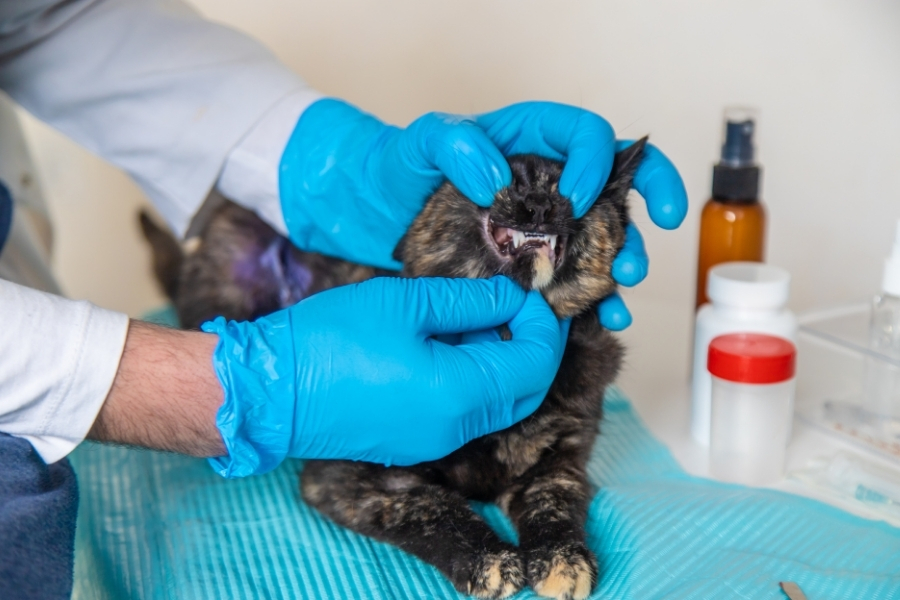
Even with regular brushing and a dental-friendly diet, your cat will still need professional dental cleanings. Just like humans, cats can develop tartar and plaque that are difficult to remove through brushing alone. A professional cleaning is performed under anesthesia, allowing the veterinarian to thoroughly clean the teeth, including the areas below the gum line, where plaque and tartar accumulate.
When to Schedule a Cleaning:
- If your cat has noticeably bad breath, swollen gums, or difficulty eating.
- If your cat is over 3 years old, regular checkups and cleanings are recommended.
- If your cat is at risk for dental disease due to breed, age, or health issues.
Your vet will also check for signs of dental disease and advise you on how often your cat should have cleanings based on their individual health and needs.
5. Watch for Common Signs of Dental Issues
Being aware of the signs of dental disease can help you catch problems early. If your cat is showing any of the following symptoms, it may be time for a professional dental checkup:
- Bad Breath: Persistent bad breath is one of the first signs of dental disease in cats.
- Red or Swollen Gums: Healthy gums should be pink, not red or inflamed. Swollen or bleeding gums are a sign of gingivitis or more advanced periodontal disease.
- Difficulty Eating or Dropping Food: If your cat is dropping food or avoiding hard food, it may be due to tooth pain or discomfort.
- Excessive Drooling: Drooling is often a sign of oral discomfort or infection.
- Visible Plaque or Tartar: Plaque appears as a yellowish film on your cat’s teeth, while tartar is a hard, brown substance that can build up over time.
If your cat is showing any of these signs, schedule an appointment with your veterinarian to address the issue before it worsens.
Cat dental care is an essential part of your pet’s overall health. Regular brushing, a dental-friendly diet, and professional cleanings can prevent many common dental problems and help keep your cat’s teeth and gums healthy for years to come. If you’re in Asheville, NC, and want to ensure your cat’s dental health is in top shape, don’t hesitate to schedule an appointment with Haw Creek Animal Hospital. Our team is here to provide expert care and advice to keep your cat’s teeth clean, healthy, and free of dental disease.
FAQs
Q1. How often should I brush my cat’s teeth?
Ans. It’s recommended to brush your cat’s teeth at least two to three times a week. For optimal dental health, daily brushing is ideal.
Q2. Can dental treats replace brushing my cat’s teeth?
Ans. Dental treats can help reduce plaque, but they should not replace regular brushing. Brushing is the most effective way to maintain your cat’s oral health.
Q3. How can I tell if my cat has dental disease?
Ans. Signs of dental disease include bad breath, swollen gums, difficulty eating, and visible plaque or tartar. If your cat shows these symptoms, consult your veterinarian.
Q4. Is it safe to use human toothpaste for my cat?
Ans. No, human toothpaste contains fluoride and other ingredients that are harmful to cats. Always use toothpaste made specifically for cats.
Q5. Can I use water additives for dental care?
Ans. Yes, water additives are a simple and effective way to help reduce plaque and promote oral health in cats. Consult your vet for recommendations.
Q6. What happens during a professional dental cleaning for my cat?
Ans. A professional cleaning involves scaling and polishing your cat’s teeth, often under anesthesia, to remove plaque and tartar buildup and prevent oral disease.