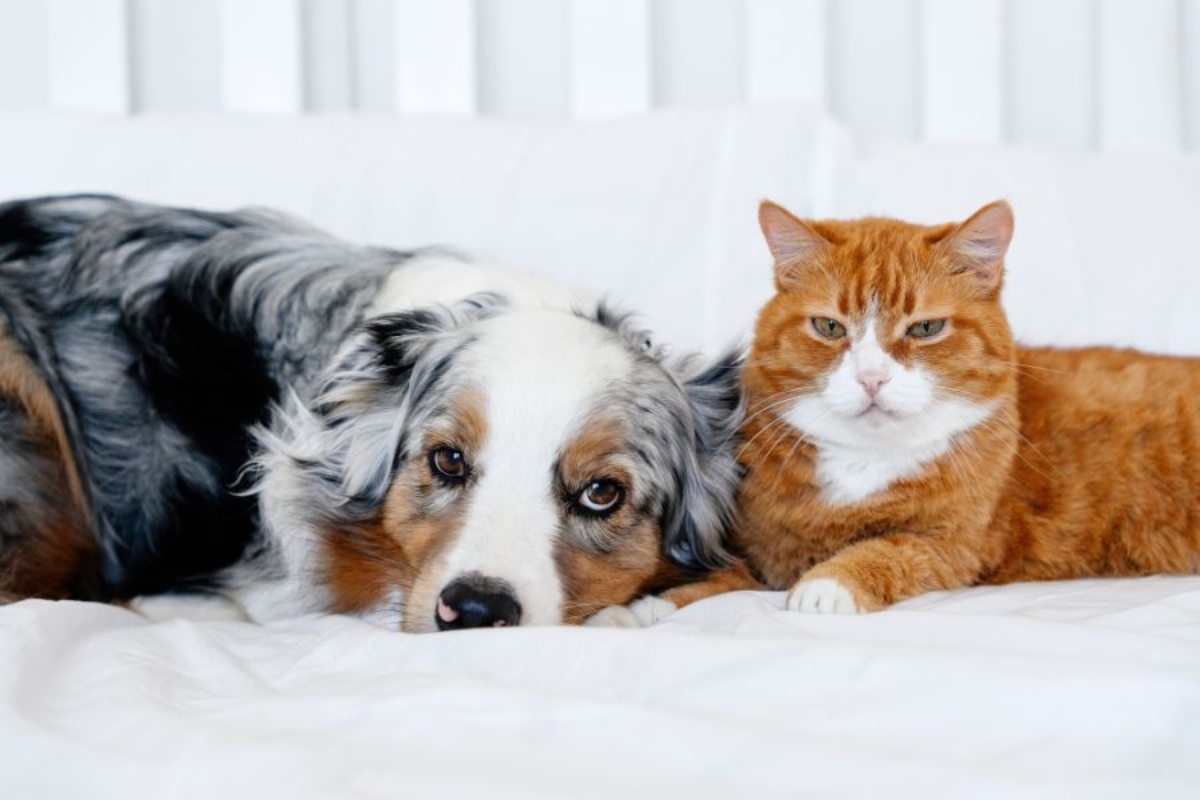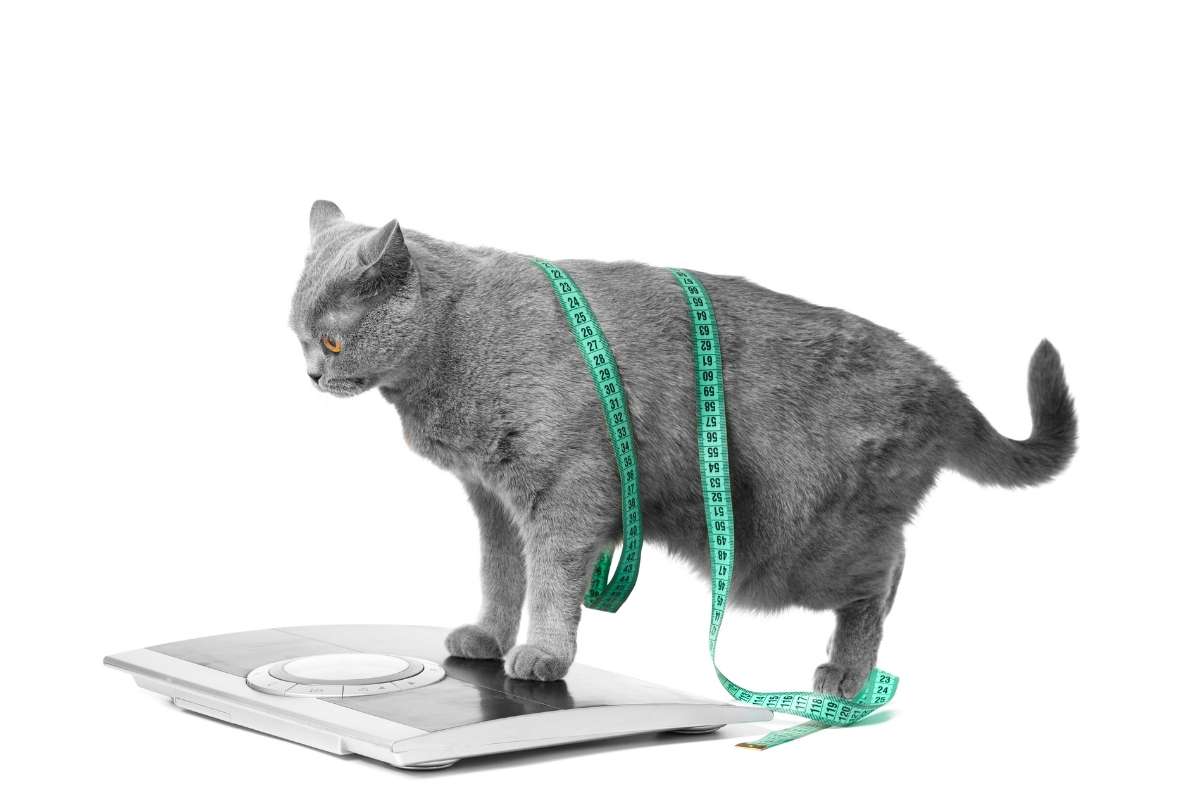
Pet obesity has become one of the most common health concerns affecting dogs and cats today. While an occasional extra treat may seem harmless, excess weight can gradually place significant strain on a pet’s joints, organs, mobility, and overall quality of life. Maintaining a healthy weight is an important part of preventive veterinary care and long-term wellness.
At Haw Creek Animal Hospital, veterinary professionals regularly help pet owners understand how proper nutrition, exercise, and routine wellness monitoring contribute to healthy weight management. Preventing obesity early often reduces the risk of chronic health conditions later in life.
For pet owners in Asheville, active outdoor lifestyles and seasonal changes can affect pets’ exercise habits and dietary needs throughout the year. Understanding how to manage your pet’s weight safely can help support better mobility, energy levels, and long-term health.
Why Pet Obesity Is a Serious Health Concern
Excess body weight does more than change a pet’s appearance. Obesity can increase the risk of several serious medical conditions and may shorten a pet’s lifespan over time.
Overweight pets may face increased risk for:
- Arthritis and joint pain
- Diabetes
- Heart disease
- Respiratory problems
- High blood pressure
- Reduced mobility
- Liver disease
- Lower energy levels
Even moderate weight gain can place additional stress on a pet’s body, especially in aging dogs and cats.
Common Causes of Weight Gain in Pets
Weight gain often develops gradually, making it easy for owners to overlook early changes.
Several factors may contribute to obesity in pets.
Overfeeding
Providing oversized portions or excessive treats is one of the most common causes of pet obesity.
Many owners unintentionally feed more calories than their pet actually needs.
Lack of Physical Activity
Indoor lifestyles, reduced exercise, and limited mental stimulation may contribute to lower calorie expenditure.
Age-Related Metabolism Changes
As pets age, their metabolism often slows down, making weight gain easier even without significant dietary changes.
Certain Medical Conditions
Hormonal imbalances, arthritis, and some medications may also contribute to unexpected weight gain.
Signs Your Pet May Be Overweight
Recognizing early signs of obesity can help owners take action before health problems worsen.
Some common indicators include:
- Difficulty feeling the ribs
- Reduced stamina during walks or play
- Excessive panting
- Difficulty jumping or climbing stairs
- Visible fat deposits around the abdomen
- Decreased activity levels
- Trouble grooming properly
Veterinary evaluations can help determine whether a pet is currently within a healthy weight range.
Healthy Feeding Habits for Weight Management
Nutrition plays one of the largest roles in maintaining a healthy body condition.
Measure Meals Carefully
Free-feeding or estimating portion sizes may lead to accidental overfeeding. Measuring meals accurately helps maintain calorie control.
Limit High-Calorie Treats
Treats should make up only a small portion of a pet’s daily calorie intake.
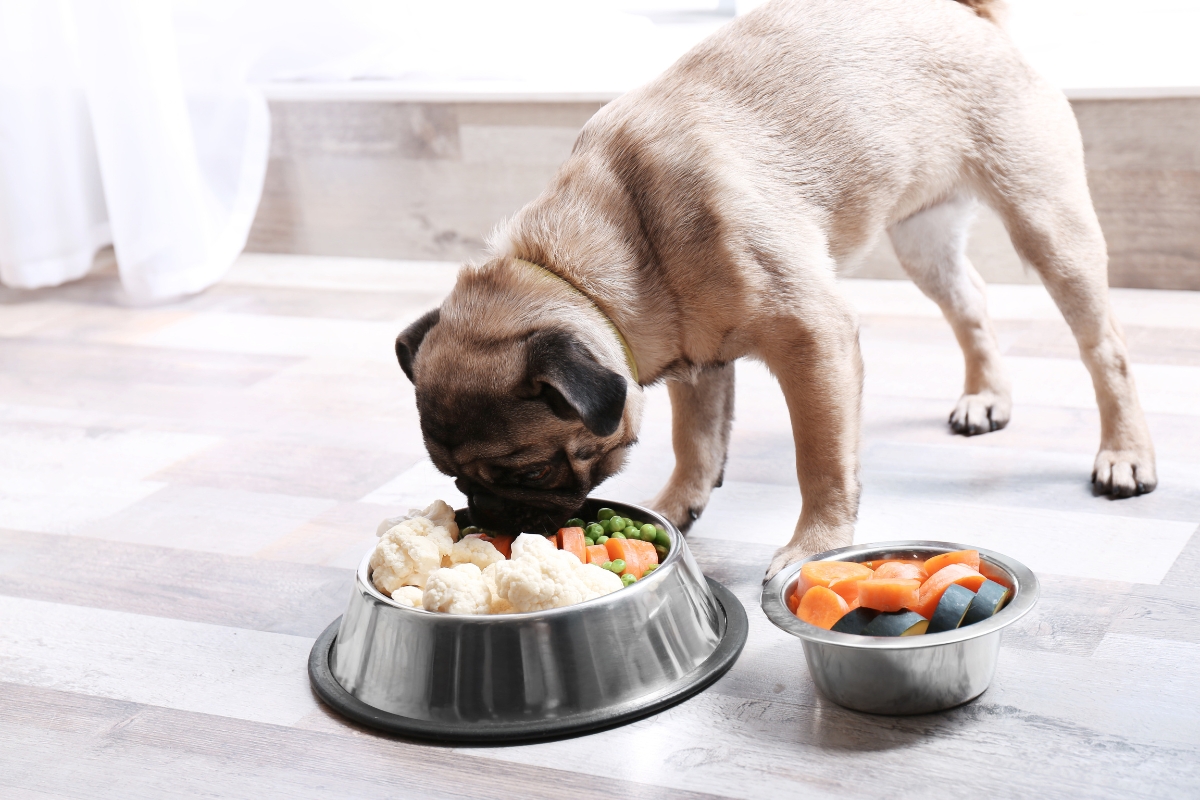
Healthy alternatives may include:
- Small portions of pet-safe vegetables
- Prescription weight-management treats
- Low-calorie training rewards
Avoid Excess Table Scraps
Human foods often contain excess calories, sodium, and fats that contribute to unhealthy weight gain.
The Importance of Exercise for Pets
Physical activity helps pets maintain muscle tone, cardiovascular health, and mental stimulation.
Daily Walks for Dogs
Regular walks provide exercise while also helping reduce boredom and anxiety.
Interactive Play for Cats
Laser toys, climbing structures, puzzle feeders, and active games encourage movement in indoor cats.
Gradual Activity Increases
Overweight pets should increase exercise gradually to avoid joint strain or injury.
Routine guidance from experienced veterinarians can help owners create safe exercise plans tailored to a pet’s age, breed, and physical condition.
Weight Management for Senior Pets
Senior pets often require adjustments in both activity level and calorie intake.
Arthritis, reduced mobility, and slower metabolism may increase obesity risk in aging animals. Monitoring body condition regularly becomes increasingly important as pets grow older.
Regular visits with veterinarians may help identify early signs of weight-related complications before they progress further.
Why Routine Wellness Exams Matter
Routine veterinary checkups are important for monitoring weight trends over time.
During wellness exams, veterinarians may evaluate:
- Body condition score
- Muscle mass
- Joint health
- Diet quality
- Activity levels
- Underlying medical concerns
Early intervention often helps prevent obesity-related illnesses from becoming more severe.
Tips for Maintaining a Healthy Weight Long-Term
Consistency is key when managing a pet’s weight.
Helpful long-term strategies include:
- Feeding consistent portions
- Maintaining regular exercise routines
- Monitoring weight changes monthly
- Using slow feeder bowls if needed
- Avoiding excessive snacks
- Scheduling regular wellness exams
Family-wide consistency is also important so pets are not accidentally overfed by multiple household members.
Maintaining a healthy weight is one of the most important ways to support your pet’s long-term comfort, mobility, and overall wellness. Preventing obesity through proper nutrition, regular exercise, and routine veterinary care can significantly reduce the risk of chronic disease while improving daily quality of life.
If you’re in Asheville and need guidance from a vet near you about healthy weight management for your pet, schedule your appointment with Haw Creek Animal Hospital. Their team can help create a personalized wellness and nutrition plan designed to support your pet’s long-term health and happiness.
Frequently Asked Questions
Q1. How can I tell if my pet is overweight?
Ans. A veterinarian can evaluate your pet’s body condition score and overall health. In many cases, overweight pets have difficulty maintaining stamina, may struggle to feel their ribs easily, and often show reduced mobility or increased abdominal fat over time.
Q2. Are certain breeds more likely to become overweight?
Ans. Yes. Some breeds are genetically more prone to weight gain, especially when exercise levels decrease or calorie intake remains too high. Breed tendencies, combined with aging and indoor lifestyles, may increase obesity risks if weight management is not monitored carefully.
Q3. Can obesity shorten a pet’s lifespan?
Ans. Excess weight may increase the risk of diabetes, heart disease, arthritis, breathing difficulties, and reduced mobility. Over time, these conditions can negatively affect both lifespan and overall quality of life, making preventive weight management especially important for long-term wellness.
Q4. Should overweight pets exercise more immediately?
Ans. Exercise should usually increase gradually, particularly for pets already experiencing joint pain or reduced stamina. Sudden intense activity may strain muscles and joints. A veterinarian can help develop a safe exercise routine based on your pet’s health condition and physical abilities.
Q5. Are treats completely off-limits for overweight pets?
Ans. Not necessarily. Treats can still be included in moderation as part of a balanced diet. Choosing lower-calorie options and adjusting meal portions accordingly may help pets lose weight safely without completely eliminating rewards during training or bonding activities.
Q6. Why are regular veterinary visits important for weight management?
Ans. Routine veterinary exams help monitor body condition, identify hidden medical causes of weight gain, and adjust nutrition plans as pets age. Early guidance often prevents obesity-related complications while supporting healthier long-term outcomes for dogs and cats.