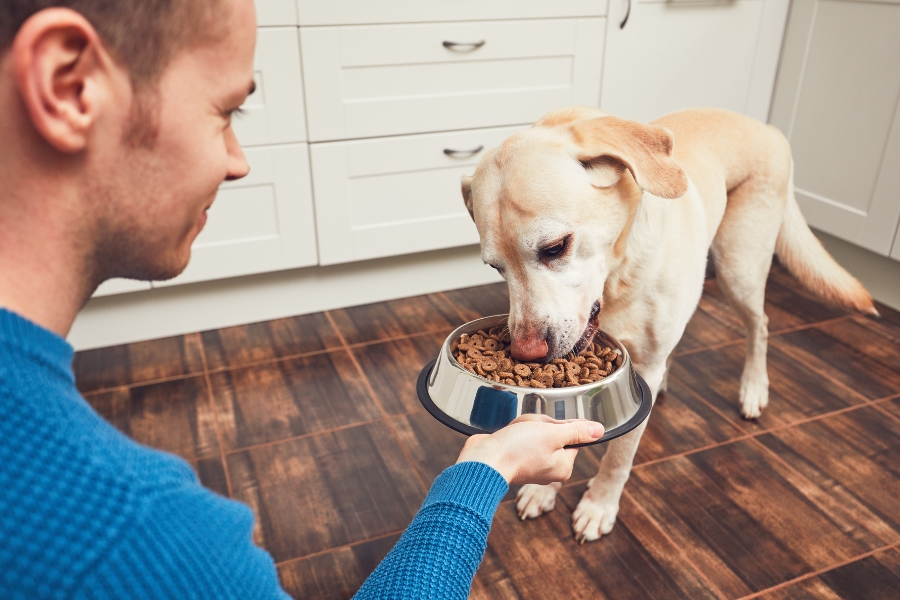
Just like humans, dogs thrive on a well-balanced diet that fuels their energy, supports their immune system, and keeps their coat shiny and healthy. But what exactly makes a dog’s diet “balanced”?
A truly balanced diet goes beyond just giving your furry friend a bowl of kibble. It’s about providing the right mix of essential nutrients — from proteins and fats to vitamins and minerals — in the correct proportions.
Whether you’re feeding homemade meals or premium dog food, understanding these nutrients can make all the difference in your dog’s overall well-being. Let’s explore the top nutrients every dog needs and spot the difference between what’s truly essential and what’s merely optional.
1. Protein Power: The Foundation of Growth and Repair
Protein is the most crucial nutrient in your dog’s diet. It’s the primary building block of tissues, muscles, enzymes, and hormones. Dogs rely on high-quality proteins for muscle maintenance, tissue repair, and healthy skin.
Why it matters:
Proteins supply essential amino acids that the body can’t produce on its own. Without enough protein, dogs may suffer from muscle loss, dull coats, and weakened immunity.
Spot the Difference:
- Essential amino acids – must come from diet (like in chicken, fish, and eggs).
- Non-essential amino acids – produced by the body naturally.
Best sources: Chicken, turkey, beef, lamb, fish, and eggs.
For plant-based diets, soy and lentils can also contribute valuable protein, but animal sources are more bioavailable.
2. Fats: The Healthy Energy Boost
Fats often get a bad reputation, but in the canine world, they’re indispensable. They’re a dense source of energy, providing twice as many calories as protein or carbohydrates. Fats also support brain function, maintain skin elasticity, and keep coats gleaming.
Why it matters:
Fats help absorb fat-soluble vitamins (A, D, E, and K) and improve food palatability. In puppies, fats are vital for brain and vision development.
Spot the Difference:
- Healthy fats (Omega-3 & Omega-6) → improve heart health, reduce inflammation, and support shiny coats.
- Unhealthy fats (trans fats, excessive saturated fats) → lead to obesity and heart issues.
Best sources: Fish oil, flaxseed, chicken fat, and sunflower oil.
3. Carbohydrates: The Quick Energy Source
Carbohydrates are not strictly essential for dogs, yet they provide a readily available energy source and aid digestion when used in moderation. They also supply dietary fiber, which supports a healthy gut.
Why it matters:
Fiber helps maintain bowel health, regulates blood sugar levels, and contributes to satiety, preventing overeating.
Spot the Difference:
- Complex carbs (sweet potatoes, oats, brown rice) → provide slow, sustained energy.
- Simple carbs (white bread, sugary treats) → cause rapid spikes and crashes in blood sugar.
Best sources: Sweet potatoes, peas, brown rice, barley, and oats.
4. Vitamins: The Small Yet Mighty Nutrients
Vitamins are like the spark plugs of your dog’s body — they ignite countless biological reactions and keep vital systems running smoothly. Though needed in small amounts, their impact is enormous.
Key vitamins and their benefits:
- Vitamin A: Maintains healthy skin, coat, and vision.
- Vitamin D: Regulates calcium and phosphorus for strong bones.
- Vitamin E: A powerful antioxidant that supports cell health.
- Vitamin K: Crucial for blood clotting.
- B-complex vitamins: Boost metabolism and support the nervous system.
Spot the Difference:
- Fat-soluble vitamins (A, D, E, K) → stored in body fat and liver.
- Water-soluble vitamins (B, C) → not stored; must be replenished daily.
Best sources: Liver, fish, leafy greens, and eggs.
5. Minerals: The Silent Supporters of Health
Minerals may not provide energy, but they are vital for structural and metabolic functions. They help build strong bones, regulate fluid balance, and support nerve transmission.
Essential minerals include:
- Calcium & Phosphorus: Bone strength and development.
- Potassium: Maintains muscle function.
- Zink & Copper: Enhance skin, coat, and immune function.
- Iron: Helps carry oxygen through the blood.
Spot the Difference:
- Macrominerals (needed in larger amounts): Calcium, phosphorus, magnesium, potassium.
- Microminerals (needed in smaller amounts): Iron, zinc, copper, selenium.
Best sources: Meat, fish, bone meal, and vegetables.
6. Water: The Overlooked Essential
It’s easy to overlook water, but it’s arguably the most important nutrient of all. Every metabolic process in your dog’s body — from digestion to temperature regulation — depends on hydration.
Why it matters:
A dog can survive weeks without food, but only a few days without water. Dehydration can lead to fatigue, kidney issues, and organ failure.
Spot the Difference:
- Clean, fresh water → supports organ function and digestion.
- Contaminated or stagnant water → may cause illness or infection.
Tip: Always keep a bowl of fresh water available, especially after walks or play sessions.
7. Comparing Homemade and Commercial Diets: Spotting the Real Difference
Many pet parents wonder whether homemade meals are healthier than store-bought dog food. The truth lies in nutrient balance, not the source.
Homemade diets offer freshness and control over ingredients but can lack essential nutrients if not properly formulated. Commercial dog foods, especially those labeled “complete and balanced,” are scientifically designed to meet all dietary needs.
Spot the Difference:
- Homemade diets: Fresh ingredients, but require careful nutrient balance.
- Commercial diets: Convenient and nutritionally complete, but vary in quality.
If you choose a homemade route, always consult a veterinarian or pet nutritionist to ensure your pup gets everything they need.
8. Special Nutrient Needs for Puppies, Adults, and Seniors
Each life stage demands a unique nutrient ratio.
- Puppies: Need extra protein, fat, calcium, and phosphorus for growth.
- Adult dogs: Require balanced energy to maintain muscle and body weight.
- Senior dogs: Benefit from joint-supportive nutrients like glucosamine and reduced fat to prevent obesity.
Spot the Difference:
- Growing dogs: High-protein, energy-dense meals.
- Older dogs: Lighter diets with joint and heart support nutrients.
9. Don’t Forget Oral Nutrition: A Hidden Link
Nutrients affect more than your dog’s coat and energy — they also play a big role in oral health. Proper nutrition supports strong teeth and gums, reducing the risk of tartar buildup and decay.
For ongoing care, consider scheduling a veterinarian in Asheville, NC, to maintain your dog’s overall health.
A balanced diet isn’t just about feeding your dog — it’s about nourishing them from the inside out. From the power of protein to the protection of antioxidants, each nutrient plays a vital role in keeping your furry friend healthy, happy, and full of life.
So next time you fill your dog’s bowl, remember: quality, balance, and variety make the perfect recipe for lifelong vitality.