Keeping pets healthy requires more than occasional vet visits. A well-planned pet wellness guide helps dog and cat owners focus on preventive care, nutrition, mental health, and regular checkups throughout the year.
In this guide, you will learn practical tips for maintaining your pet’s health in 2026, including diet, exercise, vaccinations, dental care, and early disease prevention. These steps help your pets live longer, happier, and healthier lives.
Why Pet Wellness Matters in 2026?
Pet care continues to evolve every year. In 2026, preventive care is more important than ever. Regular wellness habits help detect health issues early and reduce long-term treatment costs.
A strong pet wellness guide focuses on proactive care instead of reactive treatment. This approach helps identify common health problems before they become serious.
Benefits of pet wellness care include:
- Early detection of health conditions
- Improved lifespan and quality of life
- Better weight management
- Stronger immune system
- Reduced emergency visits
Dogs and cats often hide signs of illness. Routine wellness care helps catch problems before symptoms appear.
Routine Veterinary Checkups Are Essential
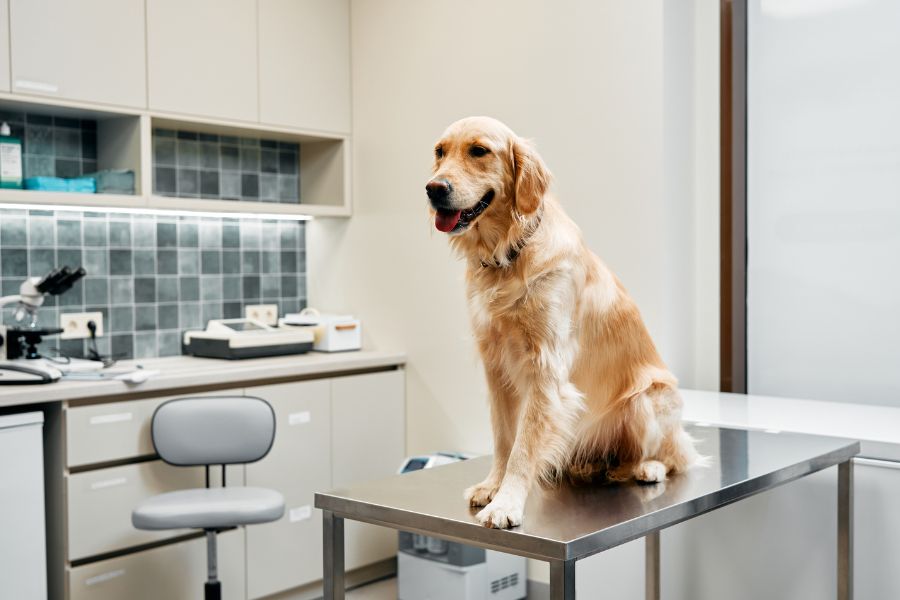
Regular veterinary visits are the foundation of any pet wellness guide. These exams allow veterinarians to monitor your pet’s health and catch changes early.
Most pets benefit from:
- Annual wellness exams for adult pets
- Twice-yearly visits for senior pets
- Vaccination updates
- Parasite prevention checks
- Weight and nutrition evaluations
During a wellness exam, your veterinarian may:
- Check heart and lung function
- Evaluate skin and coat health
- Examine teeth and gums
- Assess mobility and joint health
- Discuss diet and behavior
These routine visits help maintain your pet’s overall health and prevent common diseases.
Proper Nutrition for Dogs and Cats
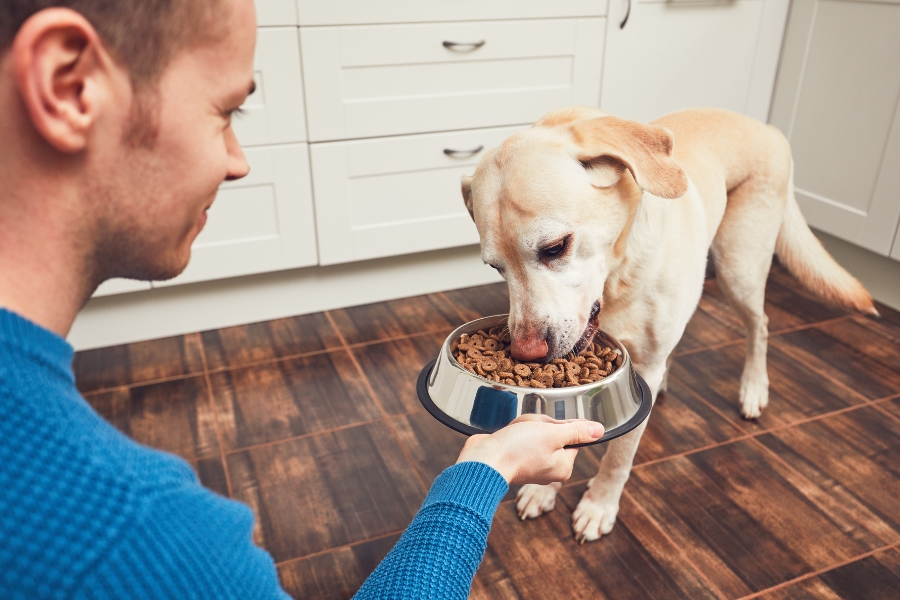
Nutrition plays a major role in your pet’s health. A balanced diet supports energy, growth, and immune function.
A complete pet wellness guide always includes proper nutrition based on:
- Age
- Breed
- Weight
- Activity level
- Health conditions
Healthy Feeding Tips
- Choose high-quality pet food
- Follow portion recommendations
- Avoid excessive treats
- Provide fresh water daily
- Monitor weight regularly
Signs Your Pet May Need a Diet Change
- Sudden weight gain or loss
- Low energy levels
- Digestive issues
- Skin or coat problems
Your veterinarian can help determine the best diet for your pet’s needs.
Exercise and Physical Activity
Regular exercise helps maintain a healthy weight and improves mental health. Dogs and cats both benefit from daily activity.
Exercise Tips for Dogs
- Daily walks
- Playtime in the yard
- Interactive toys
- Training sessions
- Socialization opportunities
Exercise Tips for Cats
- Interactive toys
- Climbing trees
- Laser pointer play
- Puzzle feeders
- Window perches
Physical activity reduces obesity, improves behavior, and strengthens muscles.
Preventive Vaccinations and Parasite Control
Vaccinations protect pets from serious diseases. A strong pet wellness guide includes keeping vaccinations up to date.
Common vaccines for dogs:
- Rabies
- Distemper
- Parvovirus
- Bordetella
Common vaccines for cats:
- Rabies
- Feline distemper
- Feline leukemia
Parasite Prevention
Parasites can affect your pet’s health year-round. Preventive care helps protect against:
- Fleas
- Ticks
- Heartworms
- Intestinal parasites
Regular preventive medications help keep pets safe and comfortable.
Dental Care for Long-Term Health
Dental health is often overlooked but plays a major role in pet wellness. Poor dental hygiene can lead to serious health problems.
Signs of dental issues include:
- Bad breath
- Red gums
- Difficulty eating
- Drooling
- Loose teeth
Dental Care Tips
- Brush teeth regularly
- Provide dental chews
- Schedule professional cleanings
- Monitor oral health
Routine dental care helps prevent infections and supports overall health.
Mental Health and Emotional Wellness
Pets need mental stimulation to stay healthy and happy. Bored pets may develop behavioral problems.
Mental wellness ideas include:
- Interactive toys
- Training sessions
- Social interaction
- Puzzle feeders
- New environments
Dogs and cats both benefit from mental enrichment. This helps reduce anxiety and destructive behavior.
Grooming and Hygiene
Regular grooming helps maintain skin and coat health. Grooming also helps detect lumps, parasites, or skin problems early.
Grooming Essentials
- Regular brushing
- Nail trimming
- Ear cleaning
- Bathing when needed
- Coat maintenance
Long-haired pets may require more frequent grooming. Short-haired pets still benefit from regular care.
Monitoring Weight and Obesity Prevention
Obesity is one of the most common pet health issues. Maintaining a healthy weight is a key part of any pet wellness guide.
Risks of obesity include:
- Joint problems
- Diabetes
- Heart disease
- Reduced lifespan
Weight Management Tips
- Measure food portions
- Limit treats
- Encourage exercise
- Schedule regular weigh-ins
Your veterinarian can help determine your pet’s ideal weight.
Senior Pet Wellness Care
As pets age, their health needs change. Senior pets require extra attention and monitoring.
Senior pet wellness includes:
- More frequent exams
- Blood work screening
- Joint health monitoring
- Mobility support
- Dietary adjustments
Early detection helps manage age-related conditions effectively.
Creating a Pet Wellness Routine
Consistency is key to maintaining your pet’s health. A wellness routine helps ensure nothing is overlooked.
Monthly Wellness Checklist
- Check weight
- Inspect teeth and gums
- Monitor behavior changes
- Groom and trim nails
- Check for parasites
Annual Wellness Checklist
- Veterinary exam
- Vaccination updates
- Blood work is recommended
- Dental evaluation
Following a routine makes pet care easier and more effective.
Signs Your Pet May Need Veterinary Care
Watch for these warning signs:
- Loss of appetite
- Lethargy
- Vomiting or diarrhea
- Sudden weight changes
- Behavioral changes
If you notice these symptoms, schedule a veterinary visit promptly.
Following a complete pet wellness guide helps ensure your dog and cat stay healthy throughout 2026 and beyond. Preventive care, proper nutrition, exercise, and routine checkups all play a major role in your pet’s well-being. By staying proactive, you can help your pet live a longer, happier life.
If you want personalized wellness care for your pet, schedule an appointment with Haw Creek Animal Hospital in Asheville, NC, today.
FAQs
1. What is included in a pet wellness guide?
Ans: A pet wellness guide includes routine checkups, vaccinations, nutrition, exercise, dental care, grooming, and preventive health monitoring.
2. How often should pets have wellness exams?
Ans: Most adult pets should have annual exams, while senior pets benefit from twice-yearly wellness visits.
3. Why is preventive care important for pets?
Ans: Preventive care helps detect health issues early, reduces treatment costs, and improves your pet’s lifespan and quality of life.
4. How can I improve my pet’s wellness at home?
Ans: Provide balanced nutrition, regular exercise, grooming, dental care, and monitor behavior for any health changes.
5. What are common signs my pet needs a vet visit?
Ans: Loss of appetite, lethargy, vomiting, weight changes, or unusual behavior are signs your pet may need veterinary care.