Helping your pet recover after surgery can feel both reassuring and challenging. Many pet owners worry about how quickly their dog or cat will regain strength, mobility, and confidence – especially when it comes to walking again. The truth is, recovery doesn’t happen overnight, and pushing too hard too soon can slow healing.
At Haw Creek Animal Hospital, we guide pet owners through every stage of recovery, including safe ways to rebuild strength after surgery. Incorporating gentle, at-home exercises can play a key role in improving mobility, reducing stiffness, and supporting a smoother return to normal walking.
This guide outlines simple, vet-approved exercises that pet owners everywhere can safely try at home to support their pet’s recovery journey.
1. Start Slow: Why Controlled Movement Matters
After surgery, your pet’s body needs time to heal internally as well as externally. While rest is essential, too much inactivity can lead to muscle stiffness and delayed recovery.
Controlled, gentle movement helps improve circulation, maintain muscle tone, and prevent joint stiffness. However, it’s important to follow your veterinarian’s recommendations before starting any exercise routine.
Always begin slowly and observe how your pet responds. If they show signs of discomfort, stop and consult your veterinary team.
2. Leash-Controlled Short Walks
One of the most effective ways to rebuild mobility is through short, controlled leash walks. These should be slow-paced and limited in duration, especially during the early stages of recovery.
Start with just a few minutes at a time and gradually increase the duration as your pet becomes more comfortable. Avoid uneven terrain, stairs, or areas that may encourage sudden movements.
Consistency is more important than intensity. Regular, short walks help your pet regain strength safely.
3. Sit-to-Stand Exercises
Sit-to-stand exercises are excellent for strengthening your pet’s hind legs and improving balance.
Gently encourage your pet to sit and then stand using a treat or verbal cue. Repeat this motion a few times, ensuring your pet moves slowly and comfortably.
This simple activity helps rebuild muscle strength without putting too much strain on the surgical area.
4. Passive Range of Motion (PROM)
Passive range of motion exercises involve gently moving your pet’s limbs through their natural range without active effort from your pet.
These exercises help maintain joint flexibility and reduce stiffness, especially if your pet has been less active.
It’s important to learn the correct technique from your veterinarian before attempting PROM at home to avoid injury.
5. Balance and Stability Exercises
As your pet regains strength, you can introduce basic balance exercises. These may include having your pet stand still on a stable surface while you gently shift their weight.
This helps improve coordination and muscle control, which are essential for steady walking.
Always supervise closely and ensure your pet feels secure during these exercises.
6. Use of Support Tools
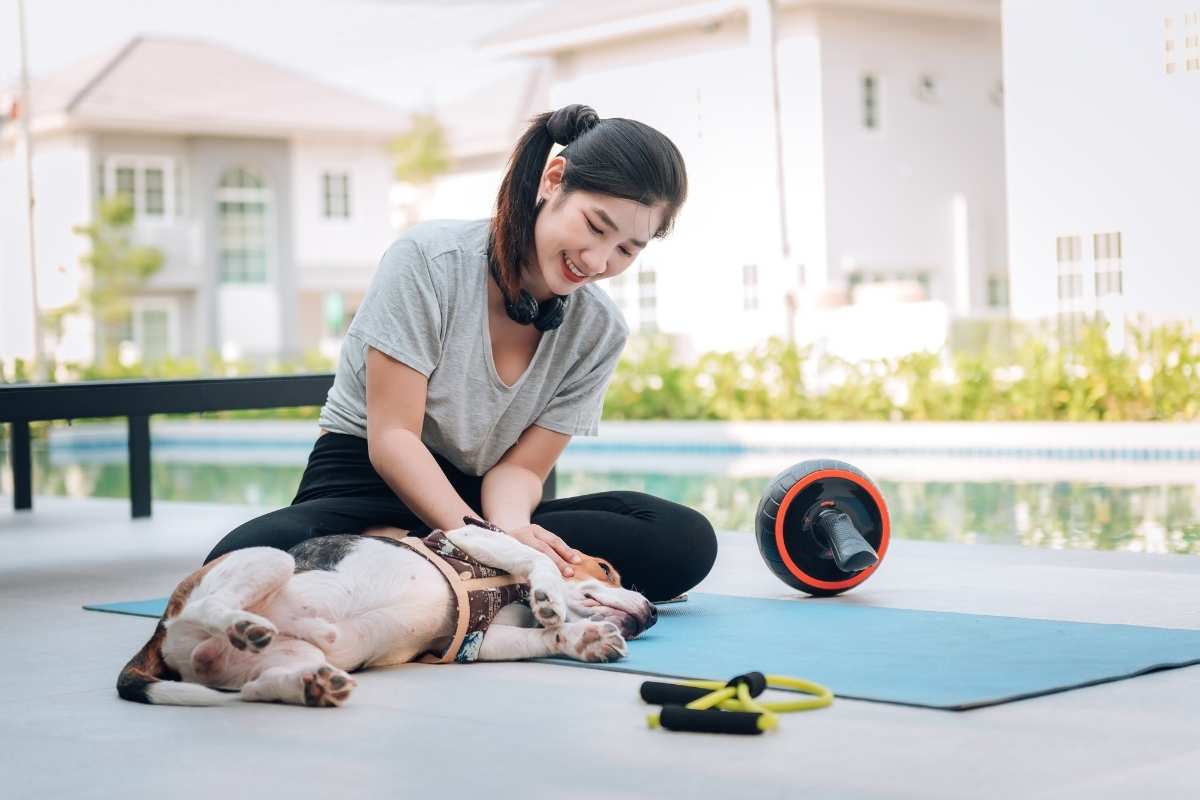
Some pets benefit from additional support during recovery. Tools like harnesses or slings can help stabilize your pet while walking, especially after orthopedic procedures.
These aids reduce pressure on healing areas and give your pet the confidence to move without fear of falling.
Your veterinarian can recommend the best support options based on your pet’s specific needs.
7. Watch for Signs of Overexertion
While exercise is important, overdoing it can set back recovery. Pay close attention to your pet’s behavior during and after activity.
Signs of overexertion may include:
- Limping or favoring a limb
- Excessive panting
- Reluctance to move
- Swelling near the surgical site
If you notice any of these signs, reduce activity and consult your veterinarian for guidance.
Supporting your pet’s recovery after surgery requires patience, consistency, and the right approach to movement. Gentle at-home exercises can significantly improve strength, flexibility, and confidence, helping your pet return to normal walks more comfortably.
This guide is designed for pet owners everywhere who want to actively support their pet’s healing process. However, access to a trusted animal hospital can further enhance recovery outcomes. For pet families in Asheville, NC, working with an experienced team like Haw Creek Animal Hospital can provide added reassurance and expert care throughout the recovery journey.
If you’re unsure which exercises are appropriate for your pet’s recovery, professional guidance can make all the difference. You can schedule your appointment at Haw Creek Animal Hospital to receive a personalized recovery and rehabilitation plan tailored to your pet’s needs.
FAQs
Q1: When can I start exercising my pet after surgery?
Ans: This depends on the type of surgery. Always follow your veterinarian’s instructions before beginning any exercise routine.
Q2: How long should post-surgery walks be?
Ans: Start with short walks (5–10 minutes) and gradually increase duration as your pet improves.
Q3: Are stairs safe during recovery?
Ans: Stairs should generally be avoided in the early stages, as they can strain healing joints and muscles.
Q4: What if my pet refuses to exercise?
Ans: Go slowly and use positive reinforcement. If reluctance continues, consult your veterinarian.
Q5: Can I perform exercises without veterinary guidance?
Ans: Basic exercises may be safe, but it’s always best to consult your vet to ensure proper technique and safety.
Q6: How do I know if my pet is healing properly?
Ans: Gradual improvement in mobility, appetite, and behavior is a good sign. Any setbacks should be discussed with your vet.