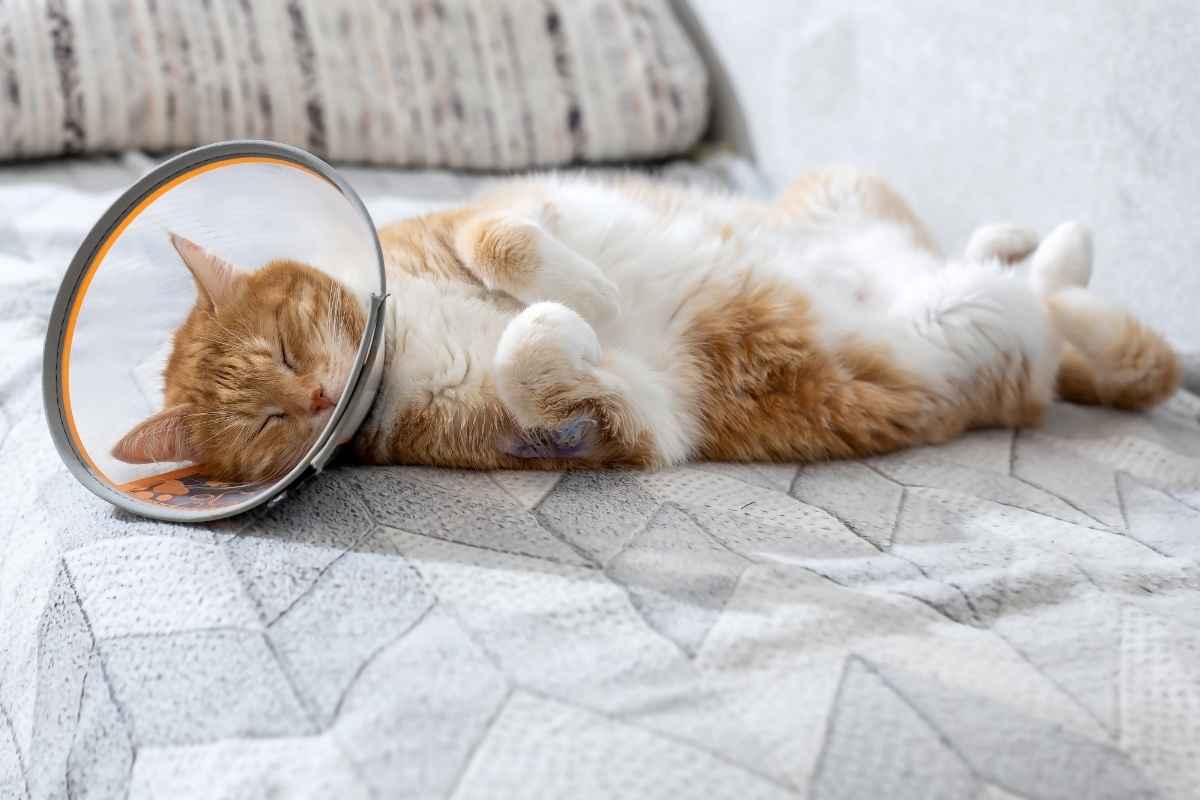
Bringing your cat home after a spay procedure can feel both relieving and a little overwhelming. Many pet owners worry about how their cat will behave, whether the incision is healing properly, or if they’re doing everything right during recovery. These concerns are completely normal—after all, your cat has just undergone an important veterinary surgery.
At Haw Creek Animal Hospital, we understand how crucial those first 24 hours are in setting the stage for a smooth and comfortable recovery. This blog will walk you through exactly what to expect and how to care for your cat during the first day after her spay procedure.
1. Create a Quiet, Comfortable Recovery Space
After surgery, your cat will likely still be feeling the effects of anesthesia. She may be sleepy, slightly disoriented, or less responsive than usual. This is completely normal.
Set up a calm, warm, and quiet space away from other pets, loud noises, and household activity. A cozy bed or blanket in a dimly lit room helps reduce stress and allows her body to rest and recover.
Avoid placing her on high surfaces like beds or couches, as her coordination may be off, increasing the risk of falls.
2. Monitor Your Cat’s Behavior Closely
During the first 24 hours, it’s important to observe your cat’s behavior. Mild grogginess, reduced appetite, and quietness are expected after veterinary surgery.
However, you should keep an eye out for signs that may need veterinary attention, such as:
- Excessive lethargy beyond 24 hours
- Difficulty breathing
- Vomiting multiple times
- Unusual swelling or bleeding
Your cat doesn’t need constant handling, but regular check-ins will help you ensure she’s recovering normally.
3. Offer Food and Water Gradually
Your cat may not feel like eating immediately after coming home—and that’s okay. Start by offering a small amount of water once she is fully awake.
A few hours later, you can provide a small portion of her regular food. Avoid overfeeding, as her digestive system may still be sensitive after anesthesia.
If she refuses food for more than 24 hours, it’s best to contact your veterinarian for guidance.
4. Prevent Licking or Chewing at the Incision
One of the most important parts of post-spay care is protecting the surgical site. Cats naturally try to lick wounds, but this can lead to infection or delayed healing.
Most veterinarians recommend using an Elizabethan collar (cone) or a recovery suit to prevent access to the incision.
Check the incision area twice daily. It should appear clean, slightly pink, and free of discharge. Avoid applying any creams or cleaning solutions unless specifically instructed by your vet.
5. Limit Activity and Movement
Even if your cat starts to feel better, it’s important to restrict her activity during the first 24 hours—and beyond.
Jumping, running, or rough play can strain the incision and slow healing. Keep her indoors and discourage climbing or active play.
If needed, confine her to a smaller room or use a pet crate temporarily to ensure she stays calm and safe.
6. Administer Medications as Directed
Your veterinarian may prescribe pain relief or antibiotics after the procedure. Always follow the exact dosage and timing instructions provided.
Never give your cat human medications, as many are toxic to pets. If you miss a dose or have trouble administering medication, contact your veterinary clinic for advice.
Keeping your cat comfortable and pain-free is essential for a smooth recovery.
7. Know When to Call the Veterinarian
While most cats recover smoothly, it’s important to recognize when something isn’t right.
Contact your veterinarian if you notice:
- Persistent bleeding or discharge from the incision
- Foul odor from the surgical site
- Severe swelling or redness
- Loss of appetite beyond 24 hours
- Signs of pain like crying, hiding, or aggression
Prompt attention can prevent complications and ensure your cat heals properly.
The first 24 hours after your cat’s spay procedure are all about rest, observation, and gentle care. By creating a calm environment, monitoring her condition, and following your veterinarian’s instructions, you can help ensure a smooth and stress-free recovery.
While this guide is helpful for cat owners everywhere, it’s especially relevant for those returning home after surgery in Asheville, NC, where attentive aftercare can make all the difference.
If you have any concerns about your cat’s recovery or need personalized guidance, don’t hesitate to contact us at Haw Creek Animal Hospital. Our experienced team is here to support your pet’s health every step of the way.
FAQs
Q1: Is it normal for my cat to sleep a lot after spaying surgery?
Ans: Yes, increased sleepiness is normal due to anesthesia. Your cat should gradually become more alert within 24 hours.
Q2: When can my cat eat normally again?
Ans: Most cats can return to their normal diet within 24 hours, as long as they’re not experiencing nausea.
Q3: How do I know if the incision is healing properly?
Ans: A healthy incision is clean, dry, and slightly pink, without swelling, discharge, or odor.
Q4: Can I remove the cone if my cat seems comfortable?
Ans: It’s best to keep the cone on as directed by your vet, even if your cat seems fine, to prevent licking.
Q5: What if my cat hasn’t urinated or had a bowel movement?
Ans: This can be normal for the first day, but if it continues beyond 24–36 hours, consult your veterinarian.
Q6: When can my cat resume normal activity?
Ans: Most cats need about 10–14 days of restricted activity to fully heal after spay surgery.