Neutering your male dog is an important step in ensuring his health and well-being. The surgery itself is relatively straightforward, but the recovery process can be a bit challenging for both you and your furry friend. As a pet owner, it’s essential to understand what to expect during the recovery period, how to care for your dog, and when to seek professional help. In this guide, we’ll walk you through the neutering recovery timeline, the best aftercare practices, and the warning signs to watch out for.
At Haw Creek Animal Hospital in Asheville, NC, we aim to provide you with the information and support you need to ensure a smooth and successful recovery for your male dog after surgery.
The Neutering Surgery: What You Need to Know
Neutering is a routine procedure for male dogs that involves removing the testicles, typically under general anesthesia. It’s a minimally invasive surgery, but like any surgery, it comes with certain risks. Once the procedure is completed, your dog will be sent home with instructions for aftercare.
Understanding the recovery timeline is essential in ensuring your dog heals properly. It’s normal for your dog to feel a bit groggy right after the surgery, but this is a temporary effect of the anesthesia.
Neutering Recovery Timeline for Male Dogs
The recovery process after a neutering surgery generally follows a predictable timeline. While every dog is different, here’s a general overview of what you can expect:
Day 1 – Post-Surgery:
After the surgery, your dog may feel sleepy, groggy, and less energetic. This is due to the effects of the anesthesia. It’s important to keep your dog calm and comfortable during this time. He might also experience some pain or discomfort, which can be managed with the pain medications prescribed by your vet.
Day 2-3 – Early Recovery:
By the second and third day, your dog will likely begin to regain some energy. However, it’s crucial to limit their activity during this period. You should keep them indoors and avoid any strenuous exercise or play. Although your dog might seem better, the incision site will still be healing. It’s important to monitor the area for any signs of swelling, redness, or discharge.
Week 1 – Monitoring the Incision:
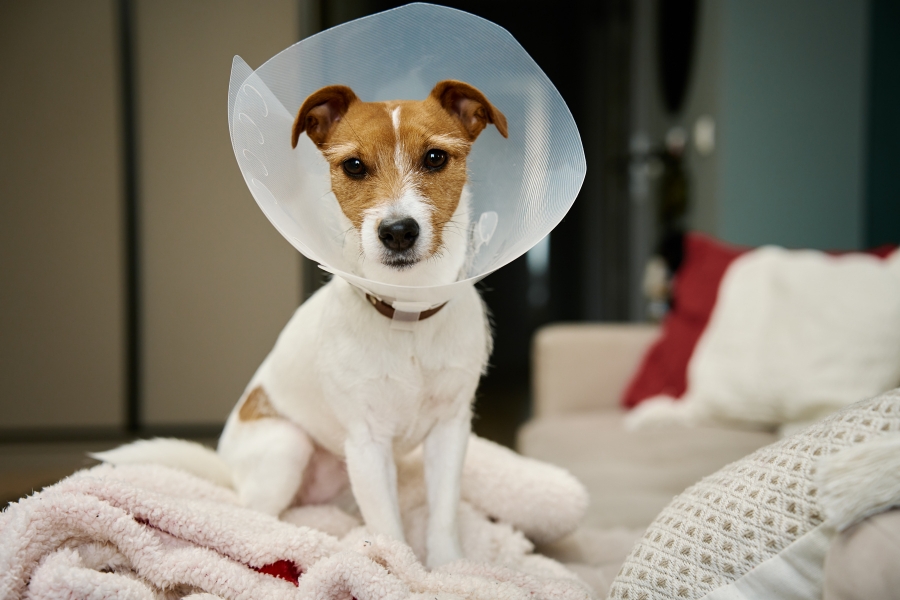
The first week is crucial for monitoring the surgical site. You may notice some swelling or mild bruising around the incision, but this is generally normal. Ensure that your dog does not lick or bite the area, as this could cause infection or slow the healing process. If your dog is struggling to avoid licking the area, you may need to use an Elizabethan collar (cone) to prevent access to the incision.
Week 2 – Gradual Return to Normal Activity:
Around the two-week mark, most dogs begin to feel much better. You can start to reintroduce light walks and gradually increase their activity level. However, you should avoid high-impact activities like running, jumping, or rough play for at least another few weeks.
Week 3-4 – Full Recovery:
By the third to fourth week, your dog should be fully recovered from the surgery. The incision will heal, and your dog’s energy levels should return to normal. You can slowly reintroduce regular exercise routines, but always be mindful of any signs of discomfort.
Aftercare for Your Neutered Male Dog
Proper aftercare is essential to ensuring your dog heals well and avoids complications. Here are some key aftercare practices to follow:
- Limit Activity:
After the surgery, it’s important to limit your dog’s activity for at least the first week. Avoid long walks, running, or rough play. Too much movement could cause the incision to open or swell, potentially leading to infection. - Monitor the Incision Site:
Check your dog’s incision daily for any signs of infection, such as excessive swelling, redness, or discharge. If you notice any of these signs, contact your vet immediately. The incision should heal quickly with minimal complications. - Keep Your Dog from Licking the Incision:
Dogs tend to lick their wounds, which can lead to infection. If your dog keeps licking the surgical site, an Elizabethan collar may be necessary to prevent this. Ensure that your dog’s collar is snug but not too tight, allowing them to breathe comfortably. - Administer Medications:
Your veterinarian will likely prescribe pain medication and possibly antibiotics to ensure your dog’s comfort and prevent infection. Follow the dosage instructions carefully, and complete the full course of antibiotics even if your dog seems to feel better. - Provide a Comfortable Space:
Make sure your dog has a quiet, comfortable place to rest and recover. Avoid letting them jump on furniture or climb stairs, as this can strain their healing body. - Monitor Appetite and Behavior:
Some dogs may experience a reduced appetite or mild discomfort after surgery. As long as these symptoms don’t last more than a couple of days, they are typically not cause for concern. However, if your dog refuses food for more than 48 hours or appears lethargic, contact your veterinarian.
Warning Signs to Watch Out For
While most dogs recover without issues after neutering surgery, it’s important to watch for warning signs that may indicate a problem. Here are some signs that require immediate veterinary attention:
- Excessive Swelling or Redness at the Incision Site:
A small amount of swelling and redness is normal, but if the area becomes significantly swollen, inflamed, or begins to ooze pus, it could be an infection. - Persistent Lethargy or Loss of Appetite:
If your dog shows signs of extreme tiredness or refuses to eat for more than 48 hours, consult your vet. This could indicate an infection or other complication. - Opening of the Incision:
If the surgical incision opens, your dog may need immediate medical attention to avoid infection or other complications. - Excessive Bleeding:
A small amount of bleeding immediately after surgery is normal, but if bleeding continues or worsens, it could be a sign of a problem.
Neutering your male dog is an important step in his health and well-being. With proper aftercare and attention to any potential complications, your dog should recover smoothly and comfortably. Remember, at Haw Creek Animal Hospital, we’re here to support you every step of the way through your dog’s neutering recovery process. If you have any concerns or need assistance, don’t hesitate to contact us.
Neutering surgery is a big decision, but with the right care, it can be a positive experience for both you and your pet.
FAQs
How long will it take for my dog to recover from neutering fully?
Most dogs recover within 2-4 weeks, but the healing time depends on the individual dog and how well you manage the aftercare.
Can my dog go outside after neutering?
Yes, but only for short, controlled walks during the first week. Avoid letting them run, jump, or engage in strenuous activities.
What happens if my dog licks the incision?
If your dog licks the incision, it could lead to infection or delayed healing. Using an Elizabethan collar can prevent this.
Will neutering change my dog’s behavior?
Neutering may reduce certain behaviors like aggression, roaming, or marking, but it doesn’t guarantee an immediate change.
Should I be concerned if my dog doesn’t eat after surgery?
A reduced appetite for a day or two is common, but if your dog refuses food for more than 48 hours, contact your vet.
Can I bathe my dog after neutering?
You should avoid bathing your dog for at least 10-14 days after surgery to prevent the incision from getting wet and risking infection.