Just like humans, pets need regular dental care to stay healthy and happy. Unfortunately, many pet owners overlook this critical aspect of their furry friend’s overall well-being. Dental issues in pets can lead to discomfort, pain, and serious health complications. The good news is that most of these problems are preventable with the right care and attention.
In this blog post, we’ll explore the most common dental problems in pets and provide practical tips to help you prevent them.
1. Periodontal Disease
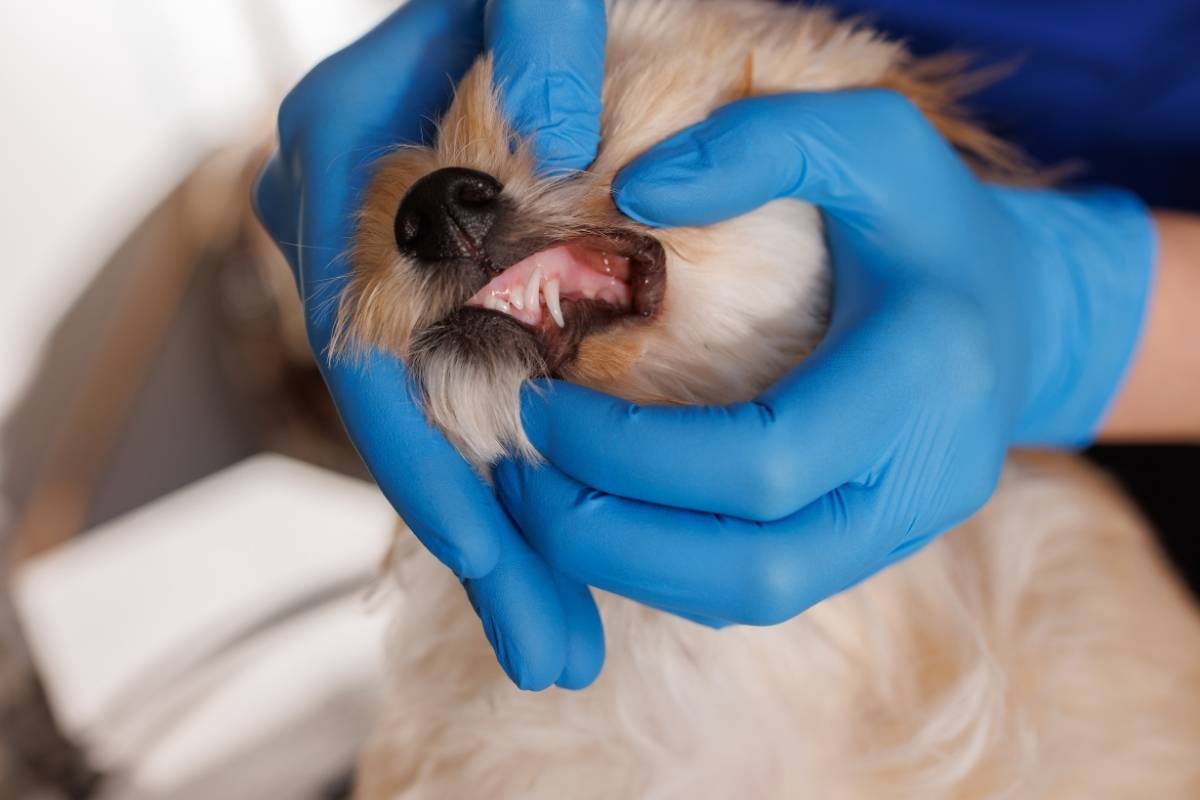
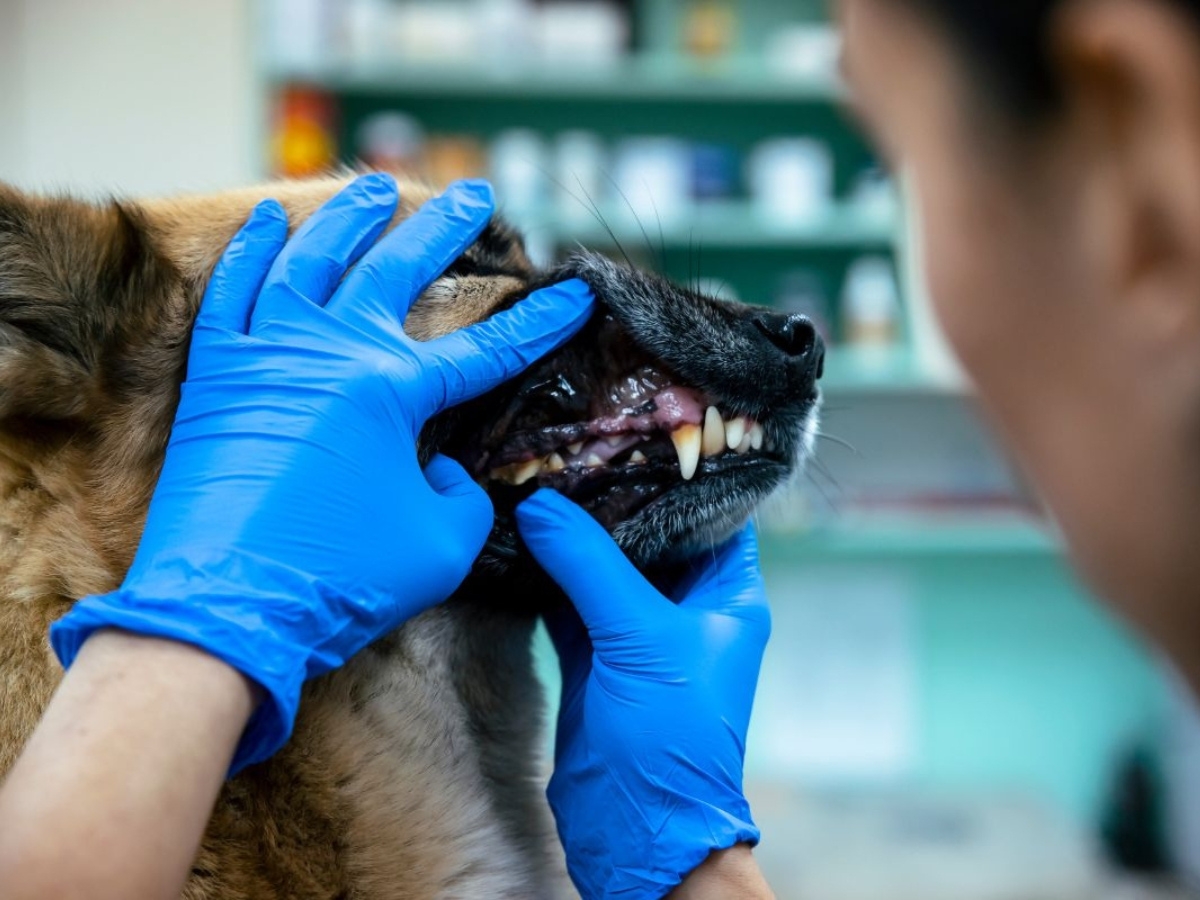
Periodontal disease is the most common dental issue in both dogs and cats. It starts with plaque buildup on the teeth, which hardens into tartar. Over time, bacteria can inflame the gums, leading to gingivitis and eventually periodontitis, a serious condition that affects the bone and can cause tooth loss.
Prevention Tips:
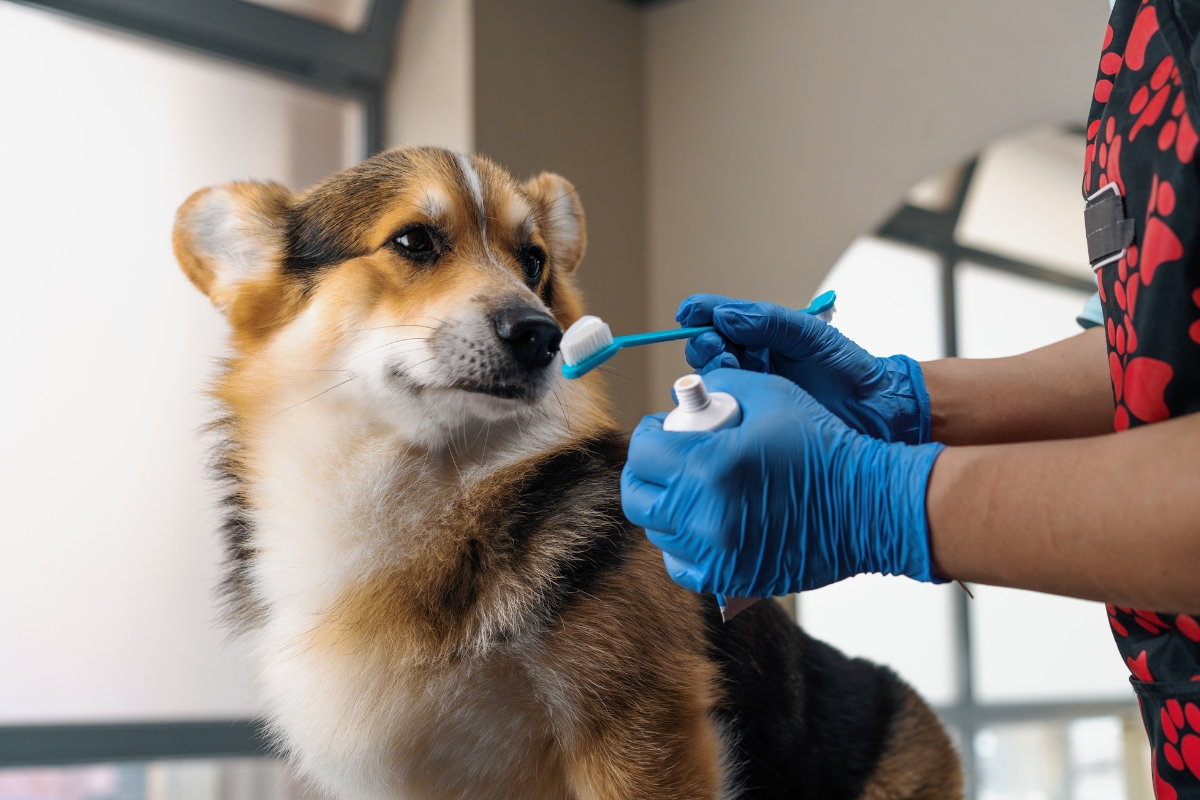
- Brush your pet’s teeth daily using pet-safe toothpaste.
- Schedule annual dental checkups.
- Provide dental chews or toys that reduce plaque buildup.
2. Tooth Fractures
Pets love to chew, but not everything is safe for their teeth. Chewing on hard objects like bones, rocks, or even some toys can lead to fractured teeth. These breaks can expose the inner pulp, causing pain and infection.
Prevention Tips:
- Offer soft or rubber chew toys instead of hard bones.
- Supervise your pet when playing with chew toys.
- Avoid giving cooked bones, which are brittle and more likely to splinter.
3. Retained Baby Teeth
In some small dog breeds, baby teeth may not fall out as they should. This can lead to overcrowding and misalignment of adult teeth. It also increases the risk of plaque accumulation and gum disease.
Prevention Tips:
- Monitor your puppy’s dental development.
- Ask your vet to examine your pet’s teeth during wellness visits.
- If retained teeth are found, they may need to be removed professionally.
4. Bad Breath (Halitosis)
While bad breath in pets may seem harmless, it often signals underlying dental problems like plaque buildup or infection. Ignoring it can lead to more serious health issues.
Prevention Tips:
- Regular brushing reduces odor-causing bacteria.
- Provide dental treats that help freshen breath.
- Visit your vet if bad breath persists—it may indicate infection.
5. Tooth Root Abscesses
These painful infections occur when bacteria enter the tooth through a crack or cavity, reaching the root. Pets with abscesses may have swelling under the eye or show signs of mouth pain.
Prevention Tips:
- Ensure regular dental cleanings.
- Don’t ignore signs like drooling, pawing at the mouth, or facial swelling.
- Seek veterinary care promptly to prevent complications.
6. Stomatitis
Stomatitis is a severe inflammation of the mouth’s soft tissues, more common in cats. It causes intense pain and can make eating difficult. The exact cause is often unknown, but it’s believed to be related to immune system dysfunction.
Prevention Tips:
- Keep your pet’s mouth clean with routine dental care.
- Watch for signs like excessive drooling or refusal to eat.
- Consult your veterinarian for proper diagnosis and treatment.
Why Preventive Dental Care Matters
Good dental hygiene doesn’t just benefit your pet’s mouth—it also supports their overall health. Bacteria from the mouth can enter the bloodstream and affect major organs like the heart, liver, and kidneys. Therefore, early prevention and routine care can extend your pet’s life and reduce the risk of chronic diseases.
Dental problems in pets are common, but they don’t have to be inevitable. By staying proactive with home dental care and scheduling regular vet visits, you can protect your pet from unnecessary pain and expensive treatments.
If you’re looking for professional pet dental services in Asheville, NC, the caring team at Haw Creek Animal Hospital is here to help. From cleanings to dental exams, we provide comprehensive care to ensure your pet’s teeth and gums stay healthy. Contact us today to schedule your pet’s dental checkup!
FAQs
Q1. How often should I brush my pet’s teeth?
Ans. Ideally, you should brush your pet’s teeth daily. If that’s not possible, aim for at least 3-4 times per week.
Q2. What are the signs of dental disease in pets?
Ans. Common signs include bad breath, drooling, pawing at the mouth, difficulty eating, red or bleeding gums, and loose teeth.
Q3. Are dental treats effective?
Ans. Yes, dental treats can help reduce plaque and tartar. However, they should complement, not replace, brushing and professional cleanings.
Q4. When should my pet get their first dental checkup?
Ans. Pets should have their first dental checkup around the age of one, and then annually thereafter.
Q5. Can dental issues affect my pet’s overall health?
Ans. Absolutely. Oral bacteria can enter the bloodstream and affect the heart, liver, and kidneys.
Q6. Do all pets need professional dental cleanings?
Ans. Yes, even with regular brushing, professional cleanings are necessary to remove tartar below the gumline and detect hidden issues.