As your dog ages, their nutritional needs evolve. Senior dogs require different types of care compared to their younger counterparts, especially when it comes to their diet. Proper nutrition plays a crucial role in supporting your dog’s health and overall well-being as they enter their golden years. Whether you have a large breed dog or a small companion, understanding their unique dietary requirements will help them live a longer, healthier life.
In this guide, we’ll walk you through the basics of senior dog nutrition and provide practical tips for choosing the right food. If you’re in Asheville, NC, and want to learn more about how to care for your senior dog, this blog will serve as a helpful resource for ensuring their diet supports their aging body.
1. Understand the Changing Nutritional Needs of Senior Dogs
As dogs age, their metabolism slows down, and their bodies begin to require different nutrients. While the exact needs will depend on your dog’s breed, size, and health condition, there are a few general guidelines to consider when adjusting their diet.
- Calories: Senior dogs generally require fewer calories due to their decreased activity levels. Overfeeding can lead to obesity, which is particularly harmful for aging dogs and can exacerbate joint pain or heart problems.
- Protein: Protein remains essential for senior dogs to maintain muscle mass and support their immune systems. However, as dogs age, their kidneys may become less efficient at processing protein. Opting for high-quality, easily digestible protein sources is key.
- Fats: While fat is a necessary part of a dog’s diet, senior dogs may benefit from diets lower in fat content to prevent weight gain. That said, omega-3 fatty acids are crucial for joint health and reducing inflammation, so these should still be included in their food.
- Vitamins and Minerals: As dogs age, they may need more antioxidants, such as vitamins C and E, to support their immune system. Additionally, senior dogs often benefit from added calcium and phosphorus to help maintain healthy bones.
2. Choose the Right Type of Food: Dry, Wet, or Raw?
When it comes to senior dog nutrition, the type of food you choose plays an important role in meeting their dietary needs.
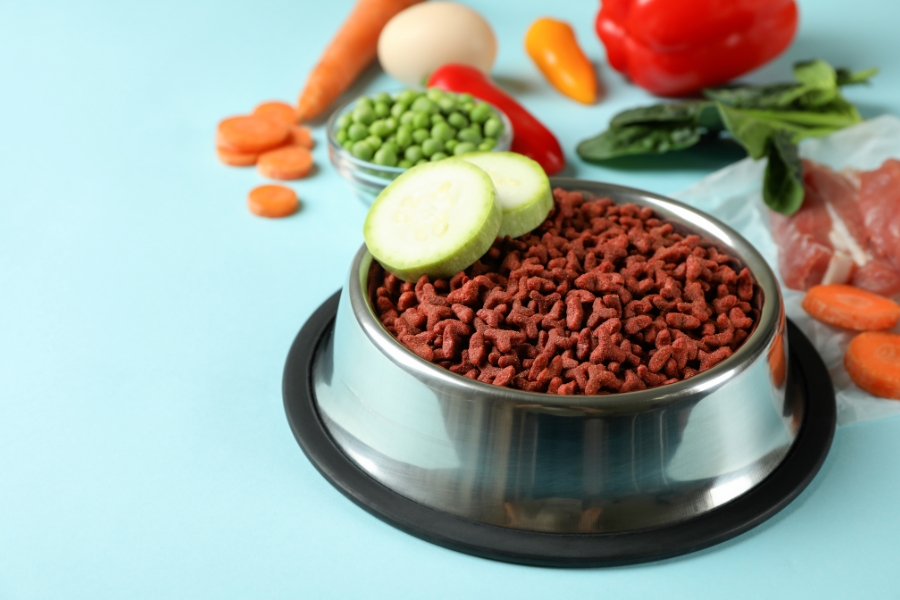
- Dry Food (Kibble): Dry food is a popular option for senior dogs due to its convenience and affordability. It also promotes dental health by helping to scrape plaque from the teeth. However, it can be difficult for some senior dogs with dental issues to chew hard kibble, so make sure you choose one that’s easier on their teeth.
- Wet Food: Canned food is a great option for senior dogs who may have difficulty chewing or who need extra hydration. Wet food tends to be more flavorful, which can be helpful if your dog has a decreased appetite. However, it can be more expensive and less shelf-stable than dry food.
- Raw Food: Raw diets are sometimes recommended for senior dogs because they provide natural, minimally processed ingredients. However, raw food requires careful handling to prevent contamination, and it may not be suitable for all dogs, especially those with compromised immune systems. Always consult your vet before switching to a raw food diet.
Ultimately, the right choice depends on your dog’s preferences, your budget, and your vet’s recommendations.
3. Focus on Joint Health
Joint problems, such as arthritis, are common among senior dogs. As your dog ages, their cartilage begins to break down, leading to pain and stiffness in their joints. Proper nutrition can help alleviate some of these issues.
- Glucosamine and Chondroitin: These two nutrients are often added to senior dog food to support joint health and prevent further degeneration of cartilage.
- Omega-3 Fatty Acids: Omega-3s, found in fish oil or flaxseed, are known for their anti-inflammatory properties and can help reduce pain and swelling in your dog’s joints.
- Weight management: Keeping your senior dog at a healthy weight is crucial for managing joint problems. Excess weight puts added strain on their joints and can worsen conditions like arthritis.
When choosing senior dog food, look for formulas that include these beneficial nutrients to support your dog’s mobility and quality of life.
4. Tailor the Diet to Your Dog’s Specific Needs
Every dog is unique, and their nutritional needs may vary depending on factors like size, breed, and health conditions.
- Small Breeds: Small dogs often live longer than large breeds, but they can also be prone to dental issues. Opting for small-breed formulas can help ensure your dog’s diet is calorie-dense, making it easier for them to maintain a healthy weight.
- Large Breeds: Large dogs have a higher risk of joint problems and may require food specifically designed to support their larger frame. Large-breed senior formulas often contain more glucosamine and chondroitin to support joint health.
- Health Conditions: If your dog has specific health concerns like kidney disease, heart problems, or diabetes, it’s essential to choose food that addresses these conditions. Consult with your vet to ensure you’re providing the appropriate nutrition for any underlying health issues.
Tailoring your dog’s diet to their specific needs ensures they get the nutrients they need for optimal health as they age.
5. Watch for Signs of Malnutrition or Obesity
As your dog ages, you may notice changes in their appetite, weight, and body condition. It’s important to monitor these changes closely to prevent malnutrition or obesity, both of which are common in senior dogs.
- Malnutrition: If your dog seems lethargic, is losing weight, or has a dull coat, it may indicate a deficiency in their diet. You may need to adjust their food or consider adding supplements to ensure they’re getting all the essential nutrients.
- Obesity: On the flip side, senior dogs are prone to obesity due to a decrease in activity levels. Keep track of your dog’s weight and avoid overfeeding. Portion control and regular exercise are key to managing obesity in senior dogs.
Regularly monitor your dog’s body condition and consult your vet if you notice any drastic changes in their weight or health.
6. Provide Fresh Water and Hydration
Hydration is essential for all dogs, but senior dogs are particularly vulnerable to dehydration due to decreased kidney function. Make sure your dog always has access to fresh water, especially if they are eating dry food.
- Wet food: If your dog doesn’t drink enough water on their own, consider feeding them wet food to increase their hydration levels.
- Water fountains: Some senior dogs are more likely to drink from a flowing water source, so investing in a water fountain can encourage them to stay hydrated.
Keeping your dog hydrated is an important part of their senior dog care routine and can help prevent kidney issues and other health complications.
Senior dog nutrition plays a vital role in supporting your dog’s health as they enter their golden years. By focusing on high-quality food, joint health, weight management, and hydration, you can ensure that your aging dog remains happy and healthy. If you’re in Asheville, NC, and need guidance related to senior dog nutrition, book an appointment with Haw Creek Animal Hospital. Our veterinary team is here to provide expert advice and ensure that your dog receives the best care throughout their senior years.
FAQs
Q1. How much should I feed my senior dog?
Ans. Senior dogs typically need fewer calories than younger dogs. Follow the portion guidelines on the food packaging and consult your vet for personalized recommendations based on your dog’s size, breed, and health.
Q2. Can I give my senior dog human food?
Ans. While some human foods like plain chicken or carrots are safe for dogs in moderation, it’s best to stick to a high-quality dog food that meets your senior dog’s nutritional needs.
Q3. How do I prevent my senior dog from gaining weight?
Ans. Regular exercise and portion control are key. Avoid overfeeding and consider switching to a senior dog food formula designed to help with weight management.
Q4. Is it normal for my senior dog to eat less?
Ans. Yes, senior dogs may have a reduced appetite due to changes in metabolism, health issues, or dental problems. If you notice a significant decrease in appetite, consult your vet.
Q5. Should I switch to senior-specific dog food?
Ans. Yes, senior-specific dog food is formulated to meet the changing nutritional needs of aging dogs, with adjustments for protein levels, fat content, and joint health.
Q6. How can I support my senior dog’s joint health?
Ans. Look for dog food with added glucosamine and chondroitin to support joint health, and consider supplements or medications recommended by your vet to alleviate pain from arthritis.