As pets grow older, their bodies and energy levels change, just like ours do. Senior pets may slow down, but that does not mean they should stop moving altogether. In fact, regular and gentle exercise is essential for maintaining your aging dog or cat’s health, mobility, and overall happiness.
Keeping senior pets active helps manage weight, supports joint health, boosts circulation, and reduces stress or boredom. With the right approach and activities, your furry friend can enjoy a long, healthy, and active life even in their golden years.
Understanding the Needs of Senior Pets
When is a Pet Considered “Senior”?
The age at which a pet is considered “senior” can vary depending on the species and breed. In general, dogs reach their senior years at about seven years old, although larger breeds may be considered senior as early as five. Cats typically begin showing signs of aging between ten and twelve years of age.
As pets grow older, they may experience:
- Joint stiffness or arthritis
- Decreased stamina
- Changes in vision or hearing
- Fluctuations in weight
- A slower metabolism
Due to these age-related changes, senior pets need a well-balanced routine that includes gentle, low-impact exercises specifically designed for their abilities and health conditions.+
Benefits of Exercise for Aging Dogs and Cats
Regular physical activity isn’t just about staying fit—it’s about maintaining quality of life. Here’s how exercise supports your senior pet:
- Joint Health: Gentle movement helps lubricate joints and prevent stiffness.
- Weight Management: Maintaining a healthy weight reduces strain on joints and the heart.
- Mental Stimulation: Exercise provides mental engagement, preventing anxiety and depression.
- Improved Circulation: Movement boosts cardiovascular health and overall energy.
- Bonding Time: Shared activities strengthen your relationship and build trust.
Safe Exercises for Senior Dogs
1. Short, Frequent Walks
For older dogs, shorter, slower walks are best. Avoid long hikes or steep hills, and let your dog set the pace. Consistent, moderate movement keeps joints flexible without overexertion.
Tip: Choose cooler times of day—early morning or evening—to prevent overheating.
2. Swimming or Hydrotherapy
Swimming is one of the safest exercises for senior dogs. The buoyancy of water supports their weight, easing pressure on joints while providing a full-body workout. Many veterinary facilities and pet rehabilitation centers offer hydrotherapy for older dogs with arthritis or mobility issues.
3. Indoor Games and Gentle Play
Even senior dogs love playtime! Use soft toys for light games of fetch, or encourage gentle tug-of-war with minimal strain. Keep sessions short and stop if your pet seems tired.
4. Slow, Controlled Stair Climbing
If your dog’s joints are in good condition, slow stair climbing can strengthen muscles and improve balance. Always supervise and ensure your dog doesn’t rush or slip.
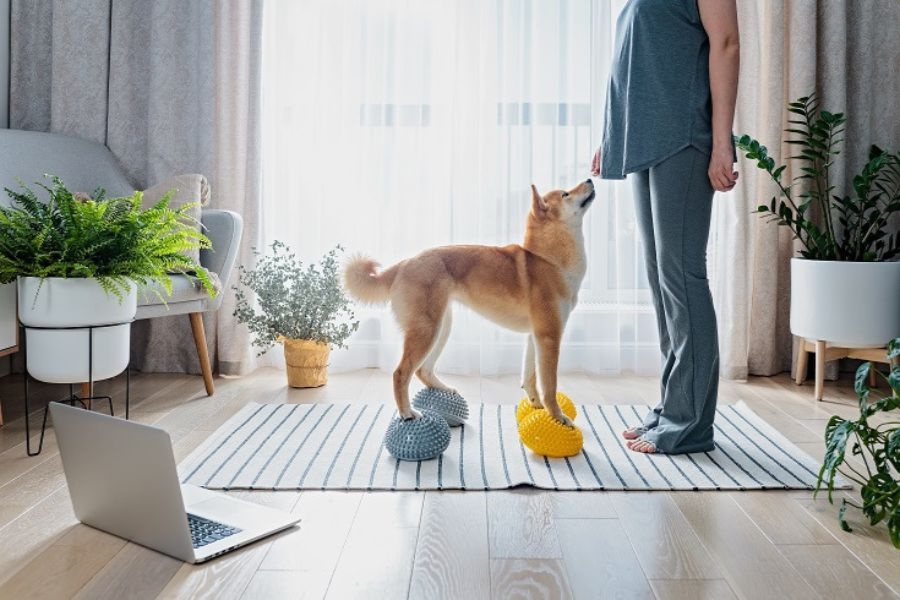
5. Balance and Mobility Exercises
Simple exercises like standing on different surfaces (carpet, grass, or yoga mats) help maintain coordination and strengthen stabilizing muscles. Ask your veterinarian about specific stretches or physical therapy exercises tailored to your dog’s needs.
Safe Exercises for Senior Cats
1. Encouraging Gentle Play
Cats may become less playful with age, but interactive play keeps them mentally and physically active. Try using wand toys, feather teasers, or slow-moving laser pointers to spark their interest. Keep sessions short and fun.
2. Climbing and Scratching Posts
Cats love to climb—but older cats may find high jumps difficult. Provide low-rise cat trees or ramps so they can safely explore and stretch their muscles without risk of injury.
3. Food Puzzles and Treat Dispensers
Food-dispensing toys encourage your cat to move and think while rewarding them for their effort. This is a great way to combine exercise and mental enrichment.
4. Gentle Stretching and Massage
Light stretching or gentle massages can ease stiffness and promote blood flow in senior cats. Always move slowly and stop if your cat resists or shows discomfort.
Tips for Exercising Senior Pets Safely
Start Slow and Build Gradually
Just like humans, pets need time to adjust to new routines. Begin with short sessions and slowly increase the duration as their stamina improves.
Watch for Signs of Overexertion
Monitor your pet for fatigue, limping, heavy panting, or reluctance to continue. These are signals to rest and consult your veterinarian if symptoms persist.
Keep Surfaces Soft and Non-Slip
For dogs, use rugs or yoga mats to prevent slipping on hardwood floors. For cats, ensure climbing surfaces have secure footing.
Maintain a Healthy Diet
A balanced senior pet diet supports muscle health, joint function, and weight control—complementing the benefits of exercise.
Schedule Regular Veterinary Checkups
Before starting or changing any exercise routine, talk to your veterinarian. They can evaluate your pet’s health, mobility, and heart condition to recommend the safest activities.
Keeping Senior Pets Happy and Healthy
Exercise is only one part of caring for an aging pet. Combine physical activity with proper nutrition, regular veterinary care, and plenty of affection to give your senior dog or cat the best possible quality of life.
Even in their later years, pets thrive when they feel loved, stimulated, and included in your daily routine. With patience and care, you can help your loyal companion stay active, pain-free, and joyful for years to come.
Caring for a senior pet is one of the most rewarding stages of pet ownership. With the right balance of safe, low-impact exercise, good nutrition, and regular veterinary care, your aging dog or cat can continue to live a vibrant and fulfilling life. Remember, every pet is unique—what works for one senior pet might not be ideal for another.
Always pay attention to your pet’s comfort level, make adjustments as needed, and consult your veterinarian before starting any new exercise program. A personalized approach ensures your senior pet stays active, healthy, and happy without unnecessary strain or risk.
By staying engaged, offering gentle movement each day, and surrounding your pet with love and care, you’re giving them the best gift possible—a longer, healthier, and more joyful life by your side.