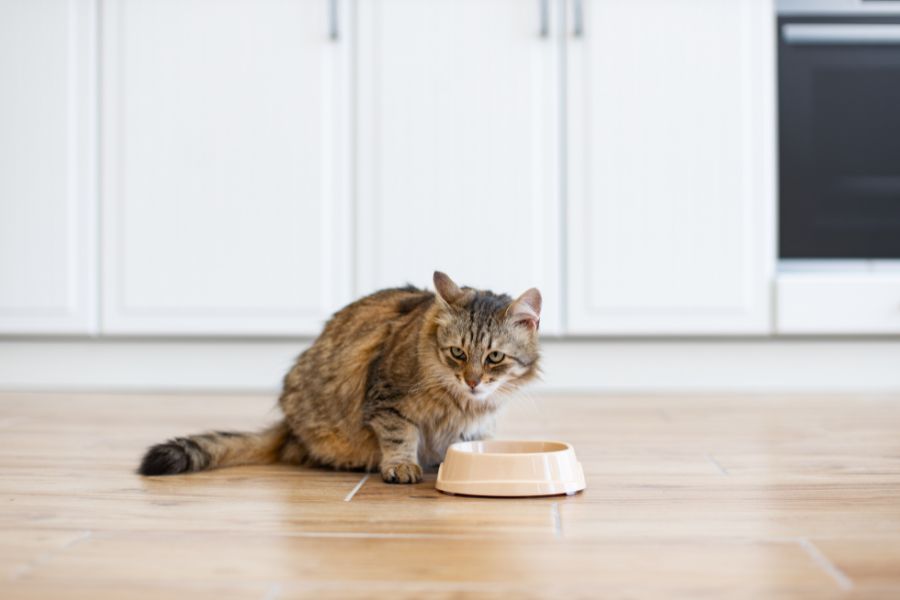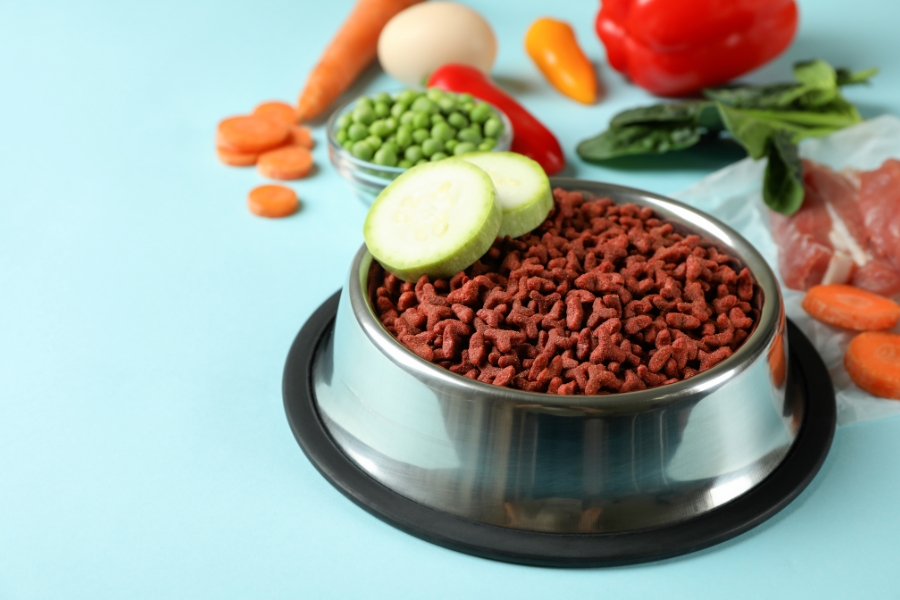
As cats age, their nutritional needs change significantly, making it essential to choose the right senior cat food for their health and longevity. A balanced diet can help manage weight, support joint health, and prevent common age-related conditions. In this guide, we’ll break down how to choose the best senior cat food, what ingredients to look for, and how to keep your aging feline healthy and thriving.
What Makes Senior Cat Food Different?
Senior cats, typically aged 7 years and older, require a diet tailored to their slower metabolism and changing health needs. Unlike regular adult formulas, senior cat food focuses on maintaining muscle mass, supporting organ function, and improving digestion.
Key differences include:
- Lower calories to prevent weight gain
- Higher quality protein for muscle maintenance
- Added vitamins and antioxidants for immune support
- Joint-supporting nutrients like glucosamine
Feeding your cat age-appropriate food can make a noticeable difference in their energy levels, coat condition, and overall well-being.
Why Choosing the Right Senior Cat Food Matters
Aging cats are more prone to health issues such as kidney disease, arthritis, dental problems, and obesity. The right senior cat food can help prevent or manage these concerns.
Benefits of proper nutrition include:
- Improved digestion and nutrient absorption
- Stronger immune system
- Healthier skin and coat
- Better weight management
- Reduced risk of chronic diseases
For example, a senior cat with joint stiffness may benefit from food enriched with omega-3 fatty acids, while one with kidney concerns may require controlled phosphorus levels.
Key Nutrients to Look for in Senior Cat Food
High-Quality Protein
Protein is essential for maintaining lean muscle mass in older cats. Look for real meat like chicken, turkey, or fish as the first ingredient.
Controlled Fat Levels
Senior cats need moderate fat content to maintain energy without gaining excess weight.
Fiber for Digestive Health
Aging cats often experience digestive issues. Fiber helps regulate bowel movements and supports gut health.
Omega-3 and Omega-6 Fatty Acids
These support joint health, reduce inflammation, and keep your cat’s coat shiny.
Essential Vitamins and Minerals
Nutrients like vitamin E, vitamin C, and taurine are crucial for immune function and heart health.
Joint Support Ingredients
Glucosamine and chondroitin can help reduce joint pain and improve mobility in older cats.
Wet vs Dry Senior Cat Food: Which Is Better?
Both wet and dry senior cat food have their advantages, and the best choice often depends on your cat’s specific needs.
Wet Food Benefits:
- Higher moisture content supports kidney health
- Easier to chew for cats with dental issues
- Often more palatable for picky eaters
Dry Food Benefits:
- Convenient and cost-effective
- Helps maintain dental health by reducing plaque
- Longer shelf life
Many veterinarians recommend a combination of both to provide balanced nutrition and hydration.
How to Transition Your Cat to Senior Cat Food
Switching your cat’s diet should be done gradually to avoid digestive upset.
Follow these steps:
- Mix 25% new food with 75% old food for the first 2 to 3 days
- Increase to 50% new food over the next few days
- Move to 75% new food before fully transitioning
- Monitor your cat’s appetite, stool, and energy levels
A slow transition helps your cat adjust comfortably to their new senior cat food.
Common Mistakes to Avoid When Feeding Senior Cats
Overfeeding
Older cats are less active, so overfeeding can quickly lead to obesity.
Ignoring Health Conditions
Not all senior cats have the same needs. Some may require specialized diets for kidney disease or diabetes.
Choosing Low-Quality Ingredients
Avoid foods with fillers, artificial additives, or by-products. Always check the ingredient list.
Skipping Regular Vet Checkups
Diet should be adjusted based on your cat’s health status, which requires regular veterinary evaluation.
Signs Your Senior Cat Needs a Diet Change
Not sure if your current food is working? Watch for these signs:
- Weight gain or loss
- Dull coat or excessive shedding
- Low energy or lethargy
- Digestive issues like vomiting or diarrhea
- Difficulty chewing or loss of appetite
If you notice any of these, it may be time to switch to a more suitable senior cat food formula.
Special Diets for Senior Cats with Health Issues
Kidney Disease
Look for low-phosphorus and controlled protein diets to reduce strain on the kidneys.
Diabetes
High-protein, low-carbohydrate diets can help regulate blood sugar levels.
Arthritis
Foods rich in omega-3 fatty acids and joint supplements can ease inflammation and improve mobility.
Dental Problems
Soft or wet food is easier for cats with missing teeth or gum disease.
Always consult your veterinarian before switching to a specialized diet.
Tips to Keep Your Senior Cat Healthy Beyond Diet
While senior cat food plays a crucial role, overall care is just as important.
- Schedule regular veterinary checkups
- Provide fresh water at all times
- Encourage light daily exercise
- Maintain a consistent feeding routine
- Keep their living environment stress-free
Small lifestyle adjustments can greatly improve your cat’s quality of life as they age.
Choosing the right senior cat food is one of the most important steps you can take to support your cat’s health during their golden years. Focus on getting effective senior pet care to include high-quality ingredients, balanced nutrition in their diet, and meet your cat’s individual needs. With the right diet and regular care, your feline companion can enjoy a longer, healthier, and happier life.
If you’re unsure which food is best for your cat, schedule a consultation with Haw Creek Animal Hospital in Asheville, NC, to get personalized dietary recommendations for your pet.
FAQs
Q1: What is the best senior cat food for older cats?
Ans: The best senior cat food contains high-quality protein, controlled fat, and essential nutrients tailored to your cat’s age and health needs.
Q2: At what age should I switch to senior cat food?
Ans: Most cats benefit from switching to senior cat food around 7 to 10 years of age, depending on their health and activity level.
Q3: Is wet or dry senior cat food better?
Ans: Both have benefits, but many vets recommend a mix of wet and dry senior cat food for balanced nutrition and hydration.
Q4: How often should I feed my senior cat?
Ans: Senior cats usually do well with two to three small meals per day to support digestion and maintain energy levels.
Q5: Can senior cats eat regular adult cat food?
Ans: While they can, it is not ideal, as senior cat food is specifically designed to meet the nutritional needs of aging cats.