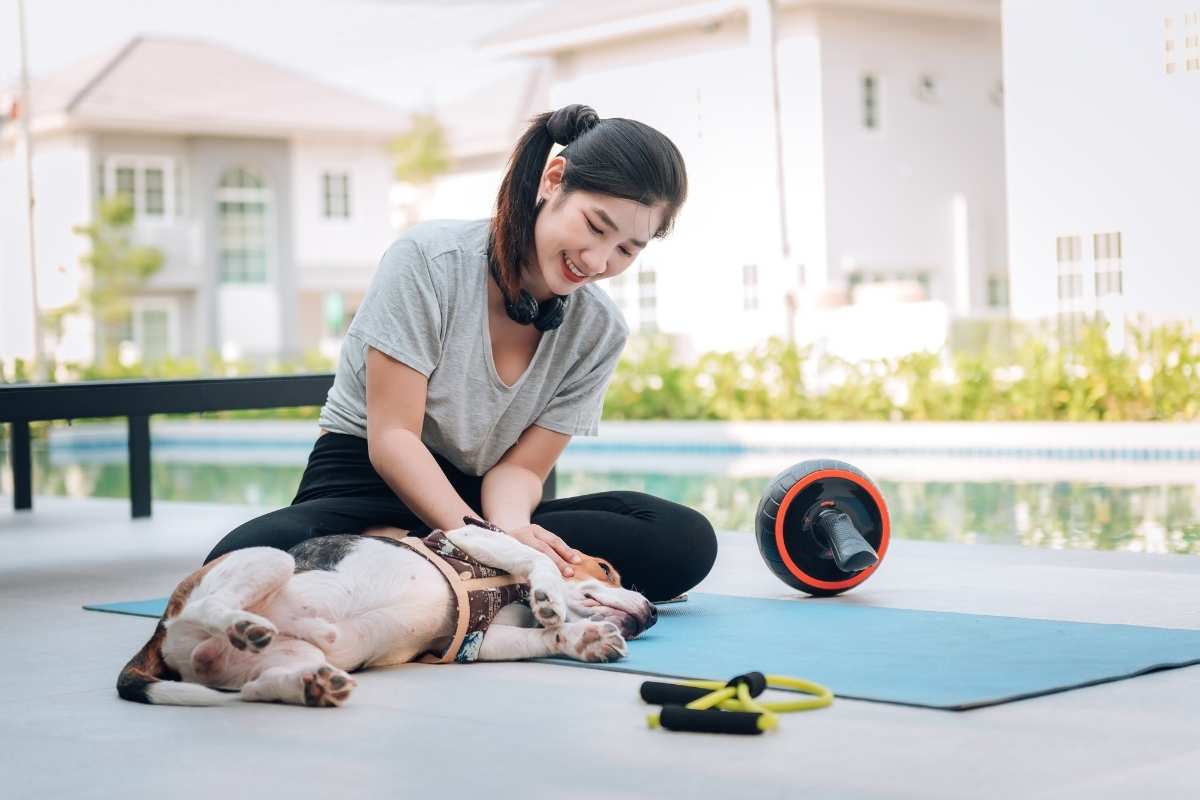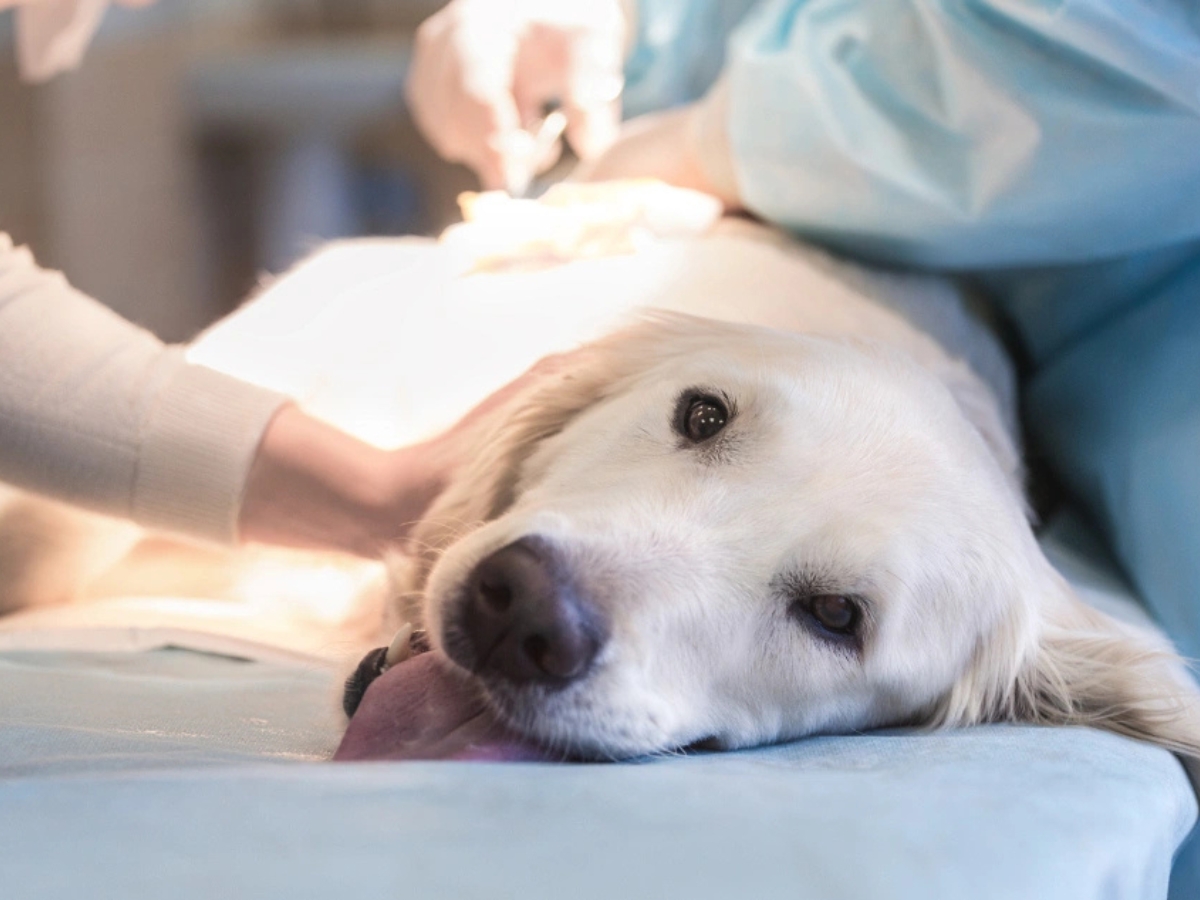
Surgery can be a stressful experience—not just for your pet, but also for you as a pet parent. Once your beloved companion comes home, the real recovery process begins. Knowing how to care for your pet after surgery is critical for a smooth and safe recovery.
Whether your pet had a routine spay or a more complex procedure, the post-operative period requires attention, patience, and a lot of love. In this blog post, we’ll walk you through every essential step to help your pet heal comfortably and quickly.
1. Prepare a Calm, Safe Recovery Space
First and foremost, create a quiet and comfortable area for your pet to rest. Choose a spot away from high-traffic areas of your home. Ideally, the space should be soft, warm, and free from stairs or furniture that may encourage jumping.
This environment will prevent unnecessary movement that could reopen stitches or aggravate healing wounds.
2. Follow Post-Op Instructions Diligently
Your veterinarian will provide a list of post-surgical care instructions. These may include medication schedules, feeding guidelines, and restrictions on activity. Follow these instructions to the letter.
For example, some pets should not eat or drink for a few hours after surgery. Others may require specific medications at strict intervals. Don’t hesitate to call your vet if you’re unsure about anything.
3. Manage Pain and Medication Carefully
Pain management is a crucial part of your pet’s recovery. Administer prescribed medications exactly as directed. Never give human painkillers to pets, as they can be toxic.
Watch for signs of discomfort, such as whining, restlessness, or lack of appetite. If pain seems unmanaged despite medication, contact your vet immediately.
4. Monitor the Surgical Site Daily
Each day, check the incision site for signs of infection. Look for:
- Redness or swelling
- Foul odor
- Discharge or pus
- Excessive licking or biting
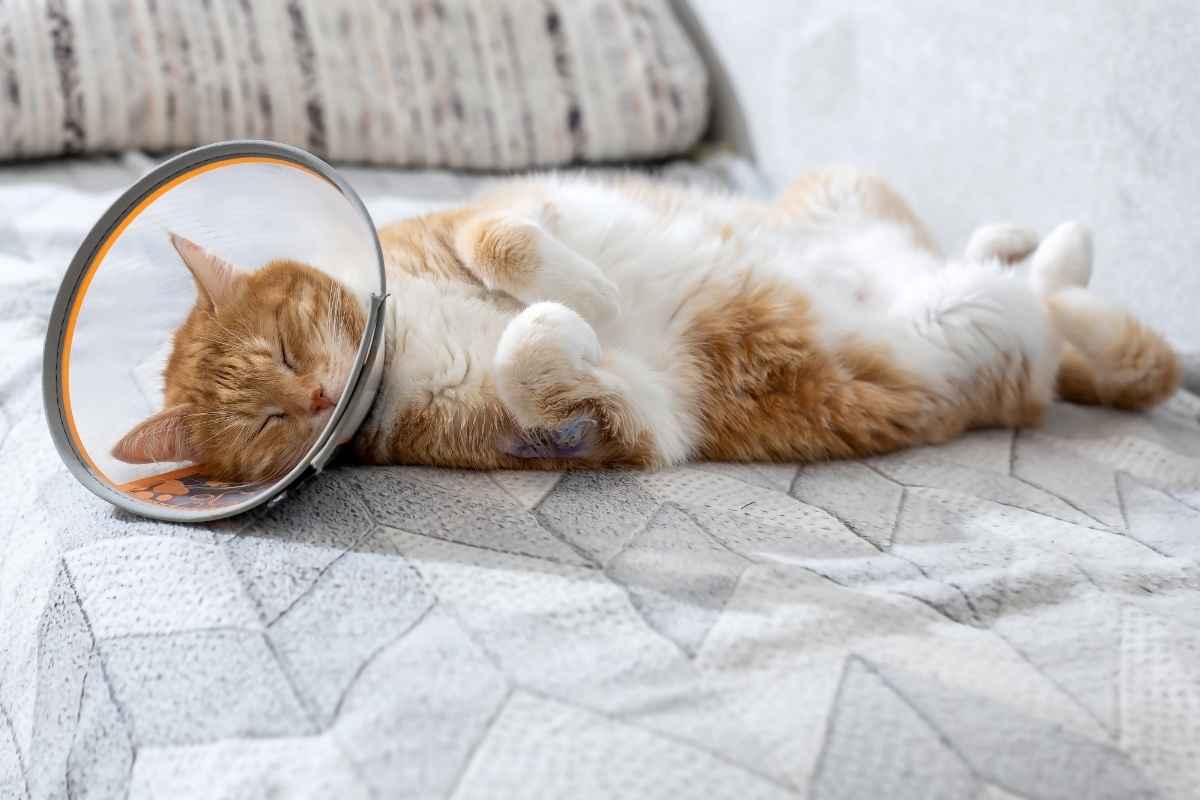
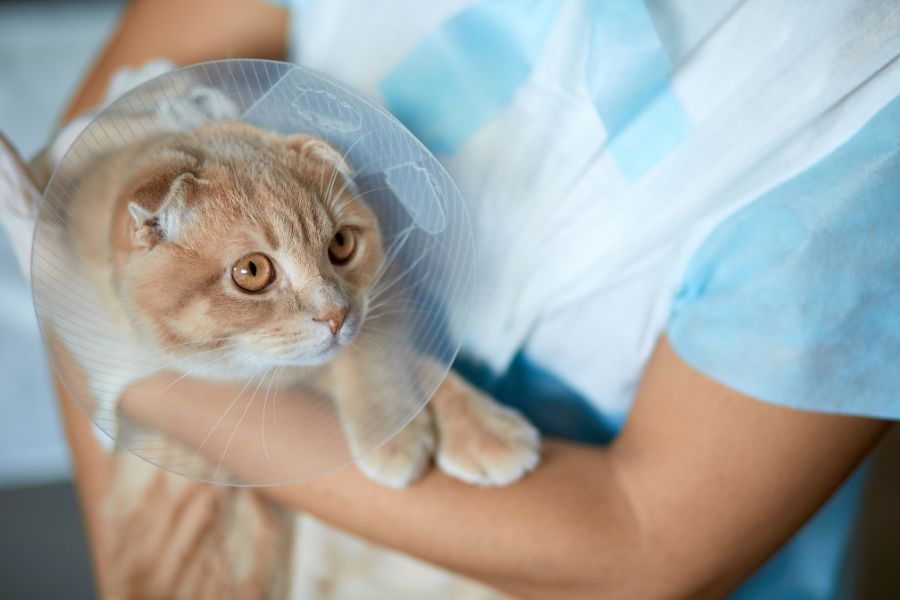
Use a cone (Elizabethan collar) if your pet tries to lick the wound. Keep the area dry and clean, and avoid bathing your pet unless the vet gives the okay.
5. Restrict Physical Activity
Although your pet may seem energetic a few days after surgery, too much movement can hinder healing. Avoid walks, running, jumping, or playing until your vet gives you the green light.
In the meantime, use a leash for bathroom breaks and supervise any movement around the house.
6. Support Hygiene and Bathroom Habits
Your pet may have difficulty using the bathroom normally right after surgery. Encourage regular potty breaks and watch for signs of constipation or diarrhea.
Keep bedding clean, especially if your pet has accidents. A clean environment reduces the risk of infection and keeps your pet comfortable.
7. Encourage Nutrition and Hydration
Your pet might not want to eat much at first, which is normal. However, monitor appetite carefully. Offer small amounts of bland food like boiled chicken and rice if recommended by your vet.
Make sure fresh water is always available, and keep an eye on hydration. If your pet refuses food or water for more than 24 hours, consult your veterinarian.
8. Attend Follow-Up Appointments
Finally, don’t skip post-operative checkups. These visits are crucial for tracking healing progress and removing stitches if necessary. Your vet can catch potential complications early and adjust care as needed.
Proper post-operative care is just as important as the surgery itself. By following your vet’s instructions and providing a nurturing environment, you’ll help your pet recover comfortably and without complications.
If you’re considering veterinary surgery in Asheville, NC, choose a clinic that prioritizes not just surgical skill but also post-op support. Your pet deserves the best care—every step of the way.
Frequently Asked Questions
Q1. How long does it take for a pet to recover after surgery?
Ans. Most pets recover within 10–14 days, but the timeline depends on the type of surgery. Always follow your vet’s guidance.
Q2. Can I bathe my pet after surgery?
Ans. No. Wait until your vet approves bathing. Moisture can lead to infection or delayed healing.
Q3. What should I do if my pet pulls out stitches?
Ans. Contact your vet immediately. Do not attempt to fix the wound yourself.
Q4. Is it normal for my pet to sleep a lot after surgery?
Ans. Yes. Rest is essential for recovery. However, if your pet is completely unresponsive or difficult to wake, call your vet right away.
Q5. How do I know if the surgical site is infected?
Ans. Watch for redness, swelling, pus, or a foul odor. Also, behavioral changes like fever or lethargy may indicate infection.
Q6. Can I leave my pet alone after surgery?
Ans. Not right away. Monitor your pet closely for the first 24–48 hours. After that, short periods alone may be okay if your pet is calm and safe.