Preparing your pet for surgery can feel stressful, especially when you’re trying to do everything right before the procedure. One of the most important instructions pet owners receive from their veterinarian is to stop feeding their pet before surgery. While this recommendation may seem simple, it plays a critical role in keeping pets safe during anesthesia and reducing potential complications.
At Haw Creek Animal Hospital, pet owners often ask why food restrictions are necessary and whether small treats or snacks really matter before a scheduled procedure. Understanding the reasons behind pre-surgical fasting can help you feel more confident and ensure your pet is properly prepared.
Whether your pet is undergoing a routine procedure or a more advanced operation, following your veterinarian’s feeding instructions is essential. Pet owners in Asheville, NC, and beyond can benefit from understanding how proper preparation contributes to safer surgical outcomes and smoother recoveries.
Why Do Pets Need to Fast Before Surgery?
When pets are placed under anesthesia, their normal swallowing and gag reflexes become temporarily suppressed. If food remains in the stomach, there is a risk that it could be regurgitated and enter the lungs.
This complication, known as aspiration, can lead to serious respiratory issues, including aspiration pneumonia.
Fasting before surgery helps:
- Reduce the risk of vomiting during anesthesia
- Lower the chance of aspiration
- Improve anesthesia safety
- Help veterinarians monitor patients more effectively
- Support a smoother recovery process
For these reasons, most veterinarians recommend withholding food for a specific period before surgery.
What Foods Should You Stop Feeding Before Surgery?
The general rule is simple: if it contains calories, it usually should not be given during the fasting period unless your veterinarian specifically instructs otherwise.
Common items that should be avoided include:
Regular Meals
Dry kibble, canned food, raw diets, and homemade meals should all be discontinued according to your veterinarian’s instructions.
Treats and Snacks
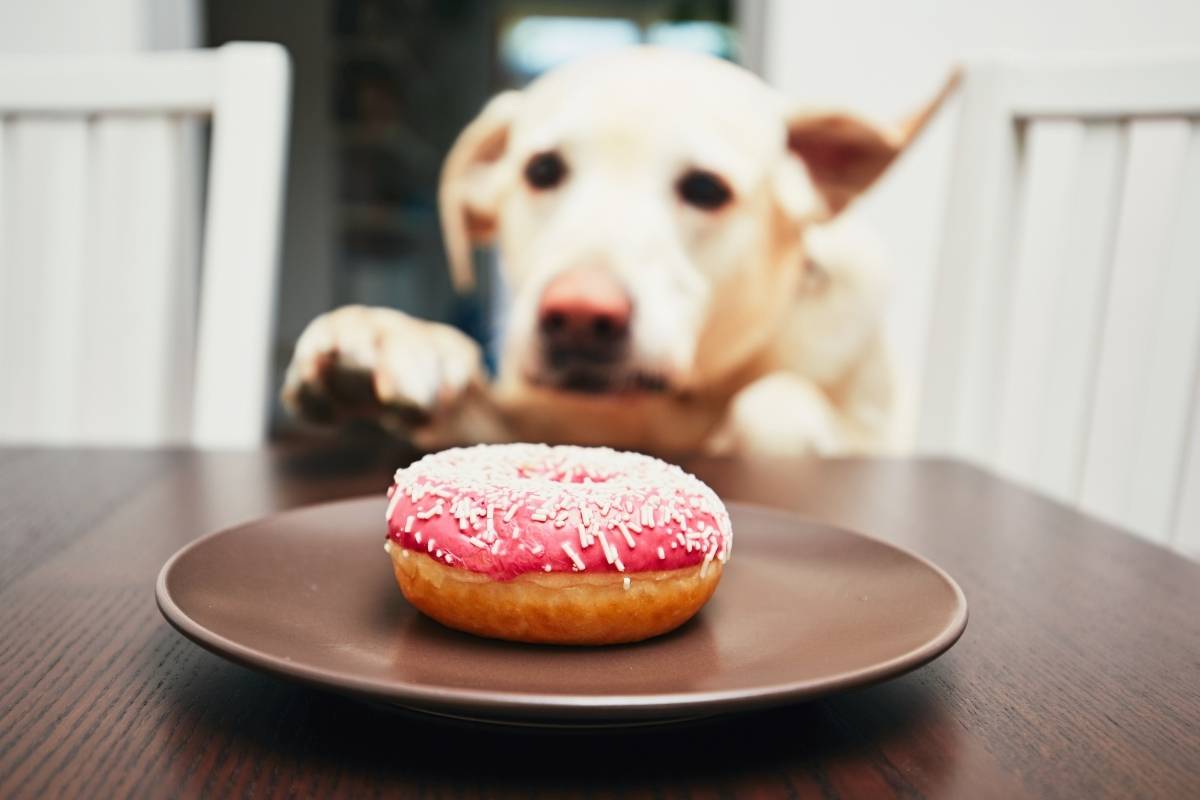
Many pet owners assume a small treat will not matter. However, even a few bites can interfere with the fasting process.
Avoid:
- Training treats
- Biscuits
- Dental chews
- Jerky treats
- Table scraps
Human Foods
Foods given as rewards can also increase surgical risks.
Common examples include:
- Cheese
- Peanut butter
- Meat scraps
- Bread
- Fruits
Supplements Hidden in Food
Some pets receive medications or supplements wrapped in food. Ask your veterinarian about alternative administration methods before surgery.
What About Water?
Water guidelines often differ from food restrictions.
In many cases, pets may continue drinking water until several hours before surgery. However, recommendations vary depending on:
- The pet’s age
- Existing health conditions
- Type of procedure
- Anesthesia requirements
Always follow your veterinarian’s specific instructions regarding water intake.
How Long Should Pets Fast Before Surgery?
The exact fasting period depends on the individual patient and procedure.
Generally:
- Adult dogs and cats may fast for 8–12 hours before surgery.
- Puppies and kittens may require modified fasting schedules.
- Pets with diabetes or certain medical conditions may need specialized instructions.
Never assume the same guidelines apply to every pet.
Your veterinarian will provide a customized fasting schedule based on your pet’s health history and planned procedure.
Special Considerations for Senior Pets and Medical Conditions
Older pets and those with chronic health conditions often require additional planning before veterinary surgery.
Conditions that may affect fasting instructions include:
- Diabetes
- Kidney disease
- Liver disease
- Heart conditions
- Gastrointestinal disorders
These pets may require individualized protocols to balance anesthesia safety with their ongoing medical needs.
Always inform your veterinarian about:
- Current medications
- Supplements
- Recent illnesses
- Changes in appetite
- Existing health concerns
Providing complete information helps the veterinary team make the safest recommendations possible.
What Happens If Your Pet Eats Before Surgery?
Accidents happen. A family member may unknowingly give a treat, or a pet may find food left within reach.
If your pet eats during the fasting period:
- Contact your veterinarian immediately.
- Do not attempt to hide the mistake.
- Follow the instructions provided by the veterinary team.
Depending on the amount consumed and the timing, the procedure may need to be rescheduled for safety reasons.
Although this can be inconvenient, postponing surgery is often safer than proceeding with an increased anesthesia risk.
Practical Tips to Help Your Pet Through the Fasting Period
Fasting can be challenging, especially for food-motivated pets.
Consider these helpful strategies:
Remove Food Bowls Early
Put food away well before bedtime to prevent accidental eating.
Inform Everyone in the Household
Make sure family members understand that no food should be offered.
Separate Multiple Pets
If one pet is fasting and others are not, feed them in separate areas.
Provide Comfort and Distraction
Gentle play, attention, and enrichment activities can help keep your pet occupied.
Follow Written Instructions
Keep your veterinarian’s pre-surgery instructions visible to avoid confusion.
These simple steps can help ensure a smooth preparation process.
The Importance of Following Veterinary Guidance
Every surgical procedure is different, and every pet has unique health considerations. Following pre-operative instructions carefully is one of the easiest and most effective ways to support a successful outcome.
Proper fasting helps reduce anesthesia-related complications and allows the veterinary team to focus on providing safe, high-quality care throughout the procedure.
While it may be tempting to offer a small snack to comfort your pet, adhering to your veterinarian’s recommendations can make a significant difference in their safety and recovery.
Preparing your pet for surgery involves more than simply arriving on time for the appointment. Following fasting instructions, avoiding treats and snacks, and communicating openly with your veterinarian all contribute to a safer experience for your pet. These guidelines apply not only to pets in your local area but to pets everywhere undergoing surgical procedures.
If you’re in Asheville, NC, and looking for guidance from a vet near you regarding surgery preparation or your pet’s overall health, contact Haw Creek Animal Hospital. Our team can provide personalized recommendations, answer your questions, and help ensure your pet receives the safest care possible. Schedule your appointment today to discuss your pet’s needs and receive expert veterinary support tailored to your pet’s unique health requirements.
Frequently Asked Questions
Q1. Can my pet have a small treat before surgery?
Ans. No. Even a small treat may interfere with the fasting process and increase anesthesia risks.
Q2. Why is fasting important before anesthesia?
Ans. Fasting helps reduce the risk of vomiting and aspiration while your pet is under anesthesia.
Q3. Can my pet drink water before surgery?
Ans. In many cases, yes, but only according to your veterinarian’s specific instructions.
Q4. What if my pet accidentally eats before the procedure?
Ans. Contact your veterinary clinic immediately. The surgery may need to be adjusted or rescheduled.
Q5. Do puppies and kittens follow the same fasting rules as adult pets?
Ans. Not always. Younger pets often require modified fasting schedules to prevent low blood sugar.
Q6. Should I give medications during the fasting period?
Ans. Some medications should still be given, while others may need adjustment. Always follow your veterinarian’s instructions.