Bringing your dog home after surgery can be both a relief and a responsibility. While the procedure may be complete, proper aftercare plays a major role in ensuring a smooth recovery and reducing the risk of complications.
This guide covers vet-recommended recovery tips after dog surgery, including how to manage activity levels, monitor healing, provide comfort, and recognize warning signs that may require medical attention. Following these recommendations can help your dog heal safely and comfortably.
Why Post-Surgery Care Is So Important
Recovery does not end when your dog leaves the clinic.
The days and weeks following surgery are critical for:
- Proper healing
- Pain management
- Infection prevention
- Restoring mobility
- Reducing complications
Careful monitoring at home can significantly improve recovery outcomes and help your dog return to normal activities sooner.
Create a Quiet Recovery Space
One of the best things you can do after surgery is to provide a calm, comfortable environment.
Your dog’s recovery area should:
- Be clean and quiet
- Have soft bedding
- Be away from stairs when possible
- Limit interactions with other pets
- Provide easy access to food and water
A dedicated recovery space helps reduce stress and prevent excessive activity.
Follow Medication Instructions Carefully
Many dogs are prescribed medications after surgery.
These may include:
- Pain medications
- Anti-inflammatory medications
- Antibiotics
- Other supportive treatments
Always administer medications exactly as directed.
Missing doses or stopping medications early can interfere with healing and increase the risk of complications.
Restrict Physical Activity
Even if your dog seems energetic, excessive activity can slow recovery.
Depending on the procedure, your veterinary team may recommend avoiding:
- Running
- Jumping
- Rough play
- Stair climbing
- Off leash activities
Leash walks for bathroom breaks are often allowed, but follow your specific discharge instructions.
Monitor the Surgical Incision
Checking the incision site daily is an important part of postoperative care.
A healing incision should generally appear:
- Clean
- Dry
- Closed
- Free from excessive swelling
Contact your veterinary team if you notice:
- Redness
- Discharge
- Bleeding
- Foul odors
- Separation of the incision
Early detection of problems can prevent more serious complications.
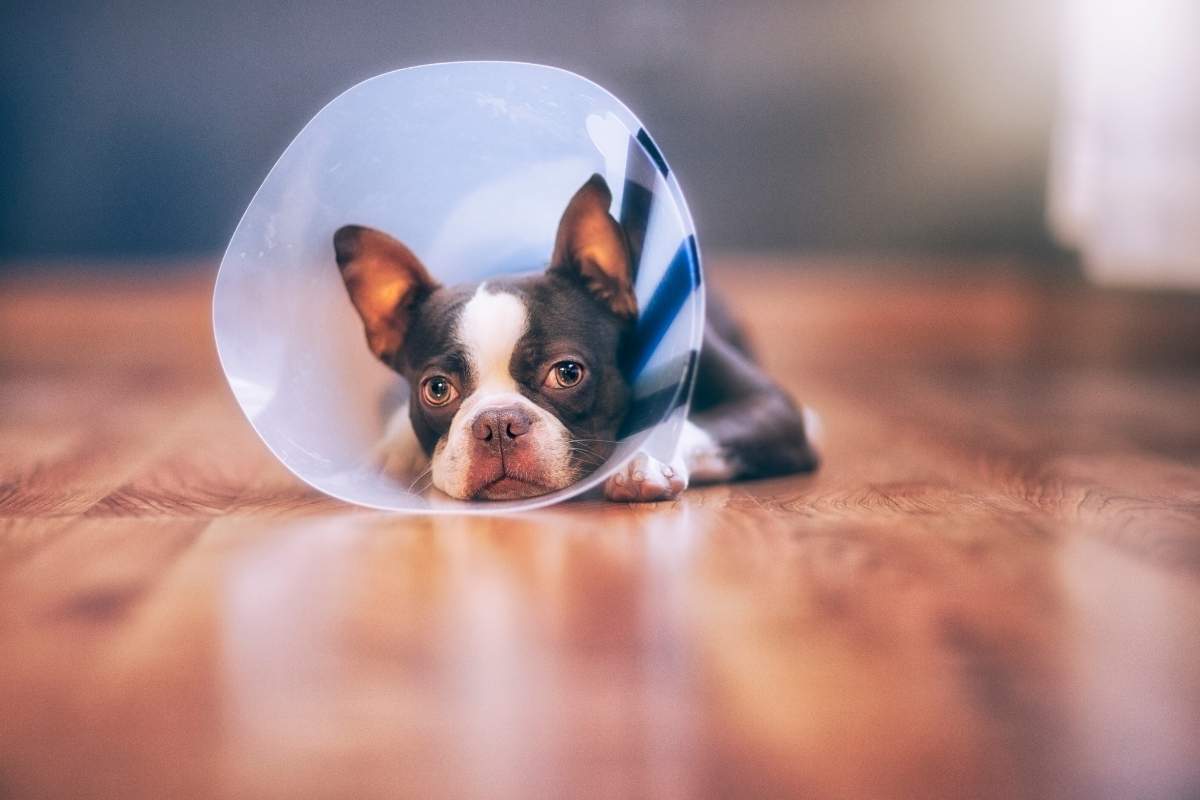
Prevent Licking and Chewing
Dogs naturally want to lick areas that feel uncomfortable.
Unfortunately, licking can introduce bacteria and damage healing tissues.
Common methods for preventing licking include:
- Recovery collars
- Inflatable protective collars
- Surgical recovery suits
Using protective devices as instructed helps protect the surgical site.
Keep Your Dog Hydrated
Hydration is essential during recovery.
Some dogs may have a slightly reduced appetite immediately after surgery, but access to fresh water should always be available.
Encourage drinking while monitoring for signs of:
- Vomiting
- Excessive thirst
- Refusal to drink
Report concerning changes to your veterinary team.
Offer Appropriate Nutrition
Good nutrition supports tissue repair and healing.
After surgery:
- Follow feeding recommendations provided by your care team
- Introduce food gradually if instructed
- Avoid excessive treats
- Monitor appetite closely
Most dogs benefit from maintaining a balanced diet throughout recovery.
Watch for Signs of Pain
Pain management is an important part of recovery.
Signs your dog may be uncomfortable include:
- Whining
- Panting
- Restlessness
- Trembling
- Reluctance to move
- Changes in appetite
If your dog’s discomfort appears uncontrolled, contact your veterinary provider promptly.
Help Your Dog Stay Calm
Many dogs become frustrated by temporary activity restrictions.
To reduce boredom during recovery, consider:
- Food puzzles approved by your care team
- Gentle training exercises
- Quiet companionship
- Interactive enrichment activities that do not require physical exertion
Mental stimulation can help keep your dog content while healing.
Attend Follow-Up Appointments
Follow-up visits allow your veterinary team to evaluate healing progress.
These appointments may include:
- Incision checks
- Suture removal
- Mobility assessments
- Medication adjustments
Skipping follow-up appointments may allow complications to go unnoticed.
Know the Warning Signs of Complications
While most dogs recover without problems, it is important to recognize symptoms that require prompt attention.
Contact your veterinary team if your dog develops:
- Persistent vomiting
- Severe diarrhea
- Excessive lethargy
- Difficulty breathing
- Significant swelling
- Bleeding from the incision
- Loss of appetite lasting more than expected
Prompt intervention can often prevent minor concerns from becoming serious issues.
Recovery Timelines Vary
Every surgical procedure is different.
Recovery time depends on factors such as:
- Type of surgery
- Age of the dog
- Overall health
- Activity level
- Presence of underlying medical conditions
Some dogs recover within days, while others may require several weeks of restricted activity and monitoring.
Support Long-Term Healing
Successful recovery involves more than just incision healing.
Long-term healing may require:
- Weight management
- Physical rehabilitation
- Lifestyle adjustments
- Continued monitoring
Following all recommendations provided by your care team can improve overall outcomes.
Working closely with your veterinarian throughout the recovery process ensures your dog receives individualized guidance based on their specific procedure and healing progress.
Small Steps Lead to a Strong Recovery
Proper post-surgical care can make a significant difference in your dog’s comfort and healing. Providing a quiet environment, limiting activity, administering medications correctly, monitoring the incision, and attending follow-up visits are all important parts of the recovery journey.
For professional dog surgery recovery and postoperative care services in Asheville, book an appointment with Haw Creek Animal Hospital. Our team is committed to helping your dog recover safely and return to an active, healthy lifestyle as quickly as possible.
FAQs
Q1: How long does it take a dog to recover after surgery?
Ans. Recovery times vary depending on the procedure, but many dogs require several days to several weeks of rest and monitoring.
Q2: Is it normal for my dog to sleep more after surgery?
Ans. Yes. Increased rest is common during the initial recovery period as the body focuses on healing.
Q3: How can I stop my dog from licking the incision?
Ans. Recovery collars, inflatable collars, and surgical recovery garments can help prevent licking and protect the incision site.
Q4: What should a healing dog incision look like?
Ans. A normal healing incision is usually clean, dry, and closed with minimal swelling or redness.
Q5: When should I call the vet after my dog’s surgery?
Ans. Contact your veterinary team if you notice excessive swelling, bleeding, discharge, vomiting, difficulty breathing, severe pain, or other concerning symptoms.