Your dog suddenly stops eating, or your cat begins losing weight without an obvious reason. A physical examination may not explain what is happening, especially when the problem involves an internal organ. In these situations, an ultrasound can help veterinarians look inside your pet’s body without surgery. It provides moving images of organs and tissues, helping identify abnormalities that may otherwise go unnoticed.
For pet owners in Asheville, understanding how veterinary ultrasound works can make medical decisions less stressful. This guide explains what an ultrasound can reveal, when your pet might need one, and what happens during the examination. Knowing what to expect can help you recognize health concerns early and make informed decisions about your pet’s well-being.
How Does a Veterinary Ultrasound Work?
An ultrasound uses high-frequency sound waves to create images of structures inside your pet’s body. Unlike X-rays, it does not expose your dog or cat to ionizing radiation.
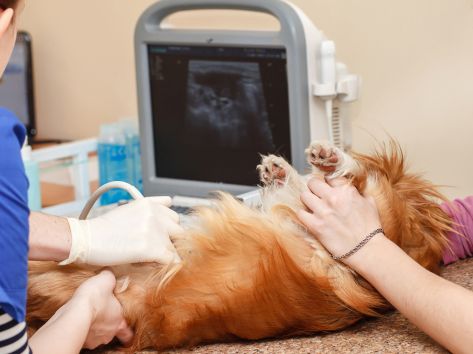
During the examination, a veterinarian or trained ultrasound professional places a small handheld probe against your pet’s skin. The probe sends sound waves into the body and receives echoes from internal tissues. These echoes form images on a monitor.
Because the images appear in real time, ultrasound can show certain organs moving and help veterinarians examine their structure.
Veterinary ultrasound is generally painless and noninvasive. It can provide valuable information when a physical examination or blood test does not fully explain your pet’s symptoms.
What Can an Ultrasound Detect in Dogs and Cats?
Ultrasound is particularly useful for examining soft tissues and internal organs. The findings depend on which part of the body is being examined and the condition being investigated.
Liver and Gallbladder Abnormalities
The liver performs several important functions, including processing nutrients and removing waste products from the bloodstream.
An abdominal ultrasound can help veterinarians identify:
- Changes in liver size or appearance
- Suspicious masses or nodules
- Gallbladder abnormalities
- Fluid surrounding abdominal organs
- Changes that may indicate inflammation or other disease
These findings can help explain symptoms such as vomiting, reduced appetite, or unexplained weight loss. Additional testing may be necessary to determine the underlying cause.
Kidney and Urinary Bladder Problems
Dogs and cats can develop urinary problems at any age, although certain conditions become more common as pets grow older.
Ultrasound may reveal kidney enlargement, changes in kidney structure, cysts, certain urinary stones, or bladder wall abnormalities.
For example, a cat that frequently visits the litter box may have inflammation, stones, or another urinary condition.
Ultrasound findings, combined with urinalysis and bloodwork, can help our vets investigate these problems.
Important: A cat that repeatedly strains to urinate but produces little or no urine needs immediate emergency veterinary attention.
Spleen Enlargement and Abdominal Masses
The spleen helps filter blood and supports immune function. Changes in its appearance may indicate inflammation, enlargement, nodules, or tumors.
An ultrasound can help identify unusual growths and determine their approximate location and size.
However, an ultrasound cannot always distinguish a harmless growth from cancer. A veterinarian may recommend additional testing, such as a needle sample or biopsy, when appropriate.
Intestinal and Digestive Problems
Persistent vomiting, diarrhea, abdominal discomfort, and weight loss can sometimes indicate problems within the digestive system.
An ultrasound may help identify:
- Thickening of the intestinal walls
- Changes associated with inflammation
- Certain intestinal obstructions
- Abnormalities involving the stomach or intestines
- Enlarged abdominal lymph nodes
Ultrasound does have limitations. Gas within the digestive tract can interfere with imaging, and some foreign objects may be difficult to identify.
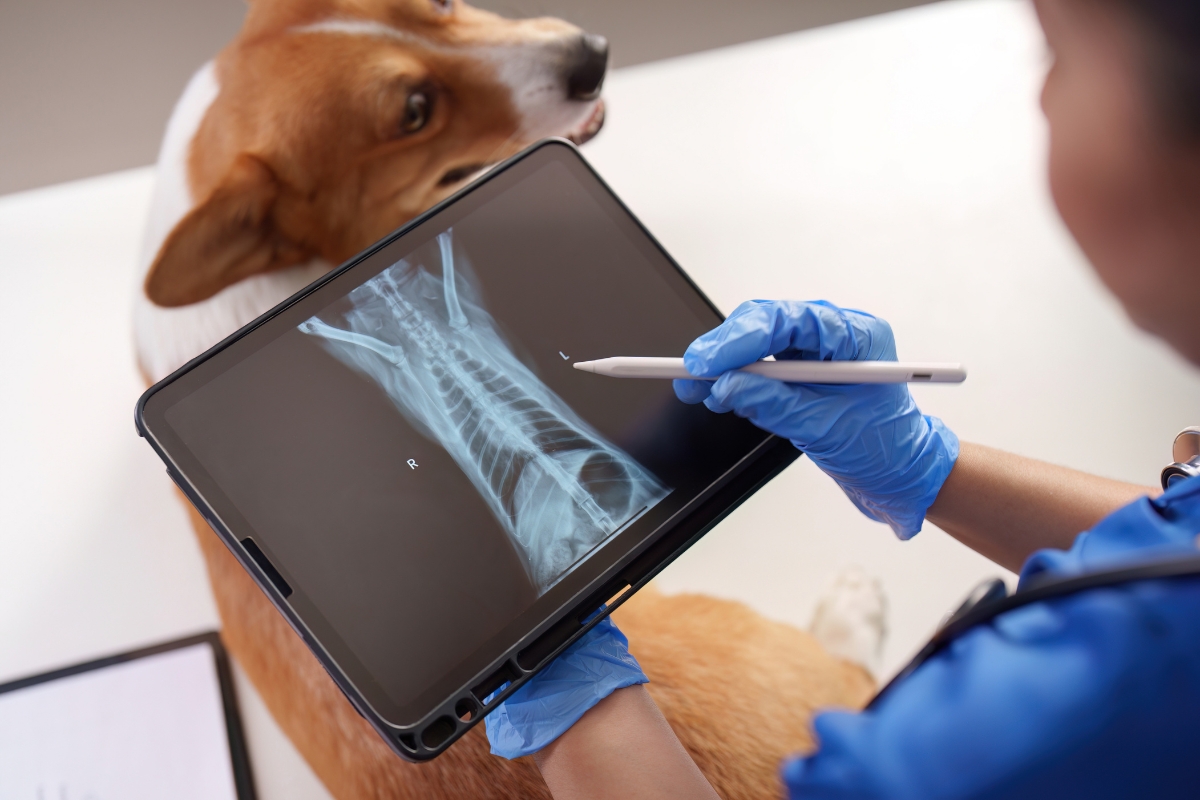
For this reason, veterinarians may recommend X-rays or additional tests alongside an ultrasound.
Heart Conditions
A specialized heart ultrasound, called an echocardiogram, allows veterinarians to examine the heart while it beats. This examination can help evaluate heart chamber size, heart muscle movement, valve function, and blood flow.
It may be recommended when a veterinarian detects a heart murmur or suspects certain forms of heart disease. Not every pet with a heart murmur needs the same tests. The decision depends on the animal’s symptoms, examination findings, and medical history.
Pregnancy and Fetal Development
Ultrasound can also help veterinarians confirm pregnancy and monitor fetal development in dogs and cats. It may allow the veterinarian to observe fetal heartbeats and assess certain aspects of fetal health.
However, ultrasound is not always the most accurate method for counting puppies or kittens. Later in pregnancy, X-rays may provide a more reliable estimate of litter size.
When Might Your Dog or Cat Need an Ultrasound?
Not every illness requires imaging. Veterinarians usually recommend an ultrasound when symptoms, examination findings, or laboratory results suggest a possible internal problem.
Some common reasons include:
- Ongoing vomiting or diarrhea: Especially when symptoms persist or return despite treatment.
- Unexplained weight loss: When your pet loses weight without a clear reason.
- Abdominal swelling: When the abdomen appears enlarged or uncomfortable.
- Abnormal bloodwork: When liver, kidney, or other test results require further investigation.
- Changes in urination: When your pet urinates more frequently, has blood in the urine, or appears uncomfortable.
- Suspected internal masses: When a physical examination or another test identifies a possible growth.
An ultrasound is one part of a broader medical evaluation. Our veterinary practice considers your pet’s symptoms, history, and examination findings before recommending further testing.
This approach helps ensure that diagnostic care addresses the questions most relevant to your pet’s condition.
What Happens During a Pet Ultrasound Appointment?
Knowing what happens during the procedure can make the appointment easier for both you and your pet.
Before the Examination
Depending on the type of ultrasound, your veterinary team may ask you to withhold food for several hours. For certain urinary examinations, your pet may need a comfortably filled bladder.
Preparation instructions vary, so always follow the guidance provided for your pet’s appointment. Do not withhold water or prescribed medication unless your veterinary team specifically instructs you to do so.
During the Ultrasound
A small area of fur may be clipped to improve contact between the probe and the skin. The professional performing the ultrasound applies gel and gently moves the probe over the area being examined.
Many pets tolerate the procedure while awake. Some animals may require sedation if they are particularly anxious, uncomfortable, or unable to remain still.
After the Examination
Most pets can return to their usual activities shortly afterward if sedation was not needed. The veterinary team reviews the findings and discusses whether additional testing, treatment, or monitoring is necessary.
At Haw Creek Animal Hospital, ultrasound examinations are performed by Dr. Julie McCormick of Davidson River Ultrasound Services. The practice also offers on-site internal medicine services through MOVES, a board-certified internal medicine service, by appointment with a deposit.
Can an Ultrasound Diagnose Cancer in Dogs and Cats?
Ultrasound can identify abnormalities that raise concern about cancer, but it generally cannot confirm cancer on its own. For example, an ultrasound might reveal a mass in the liver, spleen, or another abdominal organ. The images can help determine its location, approximate size, and relationship to surrounding tissues.
However, different conditions can produce similar ultrasound findings. A veterinarian may recommend collecting cells or tissue for laboratory examination to determine whether a growth is cancerous.
Ultrasound can also help assess certain internal changes when a pet has already received a cancer diagnosis. The goal is to gather enough information to make an appropriate treatment decision without putting your pet through unnecessary procedures.
Why Early Diagnostic Testing Matters for Your Pet’s Health
Some internal health problems develop gradually. A pet may continue eating, playing, or behaving normally even while an underlying condition progresses.
By the time noticeable symptoms appear, the condition may already require medical attention. Timely testing can help veterinarians investigate concerning changes before complications develop.
It can also help avoid unnecessary treatment based on incomplete information. For pets with ongoing medical conditions, repeat imaging may sometimes help veterinarians monitor changes and evaluate treatment progress.
Through appropriate diagnostic care, our veterinary practice works to understand what is causing your pet’s symptoms and determine the next steps. Early testing does not guarantee that every disease can be prevented or cured. However, it can provide information that supports more informed medical decisions.
Help Your Pet Feel Better With Answers You Can Trust
When your dog or cat starts acting differently, finding out why is often the first step toward helping them feel better. Ultrasound gives veterinarians a closer look at internal organs and can reveal changes that a routine physical examination cannot detect. Understanding those findings helps guide further testing, treatment, and ongoing care.
If your pet is experiencing unexplained symptoms, Haw Creek Animal Hospital is here to help. Our veterinary team in Asheville can evaluate your pet’s condition, discuss whether ultrasound is appropriate, and help you understand the available options.
Contact our veterinary practice at 828-298-1678 or request an appointment online today. Give your pet the attention they need and take the next step toward understanding their health.
Frequently Asked Questions
Q1. Is an ultrasound painful for dogs and cats?
Ans. No. Ultrasound is generally painless because it uses sound waves rather than needles or surgical instruments. Some pets may feel mild discomfort from positioning or pressure if their abdomen is already sensitive.
Q2. Can an ultrasound detect an intestinal blockage in a dog?
Ans. Yes, ultrasound can identify certain intestinal blockages and related changes, including abnormal intestinal movement or fluid accumulation. However, not every obstruction is visible. Additional imaging or testing may be necessary.
Q3. How long does a veterinary ultrasound take?
Ans. Many ultrasound examinations take approximately 20 to 45 minutes, although the duration varies. Complex examinations, additional procedures, or sedation may require more time.
Q4. Where can I get an ultrasound for my dog or cat in Asheville?
Ans. Haw Creek Animal Hospital in Asheville offers veterinary ultrasound services through Dr. Julie McCormick of Davidson River Ultrasound Services. Contact our team to discuss your pet’s symptoms and appointment arrangements.
Q5. Can Haw Creek Animal Hospital help if my pet has abnormal blood test results?
Ans. Yes. Haw Creek Animal Hospital offers laboratory testing and ultrasound services in Asheville. Our vets can review abnormal bloodwork, examine your pet, and recommend further testing when needed to investigate possible internal health problems.
Q6. Does Haw Creek Animal Hospital offer ultrasound examinations for senior pets in Asheville?
Ans. Yes. Haw Creek Animal Hospital provides access to ultrasound services that may help evaluate health concerns in older dogs and cats. Our veterinary team can assess symptoms such as unexplained weight loss, vomiting, or abdominal changes and determine whether imaging is appropriate.