


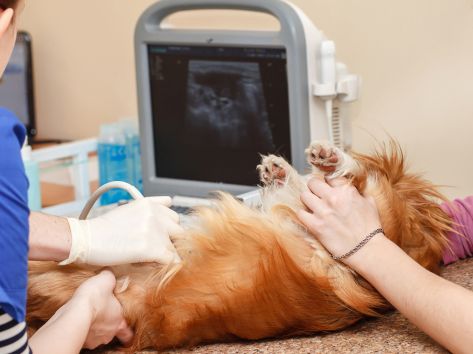
Pets are more than companions—they are family members who rely on us to keep them healthy and happy. One of the most critical ways to ensure their well-being is through regular veterinary diagnostics. These diagnostic tests allow veterinarians to detect potential health issues early, monitor chronic conditions, and provide effective treatment before minor problems escalate.
In this article, we will explore why regular veterinary diagnostics are essential, the types of tests commonly performed, and how they contribute to your pet’s long-term health.
Understanding Veterinary Diagnostics
Veterinary diagnostics encompass a wide range of tests and procedures designed to assess your pet’s health. They help veterinarians identify issues that may not be visible during a routine physical examination. Common diagnostic methods include:
- Blood Tests: Analyze organ function, detect infections, and monitor metabolic disorders.
- Urinalysis: Evaluates kidney health, hydration, and urinary tract function.
- Imaging Tests: X-rays, ultrasounds, and MRIs help visualize bones, organs, and internal structures.
- Biopsies: Tissue samples detect abnormal growths or cancerous cells.
- Heart and Blood Pressure Monitoring: Helps detect cardiovascular issues early.
By utilizing these diagnostic tools, veterinarians can gain a comprehensive understanding of your pet’s health and develop an appropriate care plan.
Early Detection Saves Lives
Many pet health problems, such as kidney disease, diabetes, heart disease, and cancer, develop gradually. Without regular diagnostics, these conditions may go unnoticed until they become severe.
For instance, routine blood tests can identify elevated kidney markers, allowing for early dietary or medical intervention. Similarly, detecting diabetes through blood glucose monitoring enables timely management, reducing the risk of complications like vision loss or neuropathy.
By catching diseases early, veterinary diagnostics significantly improve the chances of successful treatment and enhance your pet’s quality of life.
Supporting Preventive Health Care
Preventive care is always more effective than reactive treatment. Veterinary diagnostics play a pivotal role in preventive health by:
- Tracking changes in organ function over time
- Identifying nutritional deficiencies or metabolic imbalances
- Monitoring chronic conditions to adjust treatments accordingly
- Recommending lifestyle, exercise, or dietary modifications
By integrating regular diagnostics into routine checkups, pet owners can prevent serious health issues and ensure their pets enjoy a longer, healthier life.
Common Conditions Detected Through Veterinary Diagnostics
Regular diagnostic testing can uncover a variety of health problems, including:
- Kidney Disease: Early detection through blood and urine tests prevents progression.
- Diabetes: Blood glucose tests help manage sugar levels effectively.
- Heart Disease: Imaging and cardiac monitoring detect structural or functional heart issues.
- Thyroid Disorders: Blood tests can reveal hormonal imbalances that affect metabolism.
- Cancer: Biopsies and imaging tests identify tumors early for timely intervention.
Early diagnosis allows veterinarians to provide tailored treatment plans, often resulting in better outcomes and reduced suffering for your pet.
Enhancing Treatment Effectiveness
When health problems are detected early through veterinary diagnostics, treatment becomes more effective. Veterinarians can tailor therapies, monitor disease progression, and adjust medications as needed. This personalized approach ensures pets receive the most appropriate care at every stage of their condition.
Moreover, early intervention often reduces the cost and complexity of treatment. For example, managing diabetes at an early stage can prevent secondary complications, saving both medical expenses and stress for you and your pet.
How Often Should Pets Undergo Diagnostic Testing?
The frequency of diagnostic testing depends on your pet’s age, breed, and overall health. General recommendations include:
- Annual Check-ups: Healthy adult pets should have diagnostic tests at least once a year.
- Semi-Annual Check-ups: Senior pets or pets with chronic conditions may require more frequent monitoring.
- Symptom-Driven Testing: Unusual behavior, appetite changes, or other concerning signs should prompt immediate testing.
Your veterinarian can develop a personalized schedule based on your pet’s unique needs.
Regular veterinary diagnostics are essential for maintaining your pet’s health. By detecting diseases early, supporting preventive care, and guiding effective treatment, these tests help ensure pets live longer, healthier, and happier lives.
For pet owners seeking trusted veterinary diagnostics care in Asheville, NC, consulting a local veterinarian guarantees professional, thorough care tailored to your pet’s specific needs.
Frequently Asked Questions (FAQs)
Q1. What are veterinary diagnostic tests?
Ans. Veterinary diagnostic tests include blood work, urinalysis, imaging, and biopsies to assess a pet’s overall health.
Q2. Why are regular diagnostic tests important?
Ans. They detect health problems early, prevent complications, and help maintain long-term wellness.
Q3. How often should my pet undergo diagnostics?
Ans. Healthy adults typically need annual testing, while seniors or chronically ill pets may require semi-annual tests.
Q4. Can diagnostic tests prevent serious illnesses?
Ans. While not all conditions are preventable, early detection often reduces severity and improves treatment outcomes.
Q5. Are veterinary diagnostic tests safe?
Ans. Yes, diagnostic procedures are generally safe and performed by trained veterinary professionals.
Q6. How do diagnostics help with chronic conditions?
Ans. Regular testing monitors disease progression, allows timely treatment adjustments, and improves overall management.

