Temperature changes can affect pets in ways that are easy to overlook. Dogs and cats both rely on their bodies to maintain a stable internal temperature, but their size, coat type, activity level, age, and overall health can influence how they respond to heat and cold. As seasons change, understanding these differences can help pet owners recognize discomfort before it becomes a serious problem.
Dogs often respond to temperature changes differently from cats because they regulate body heat through different behaviors and physical mechanisms. While dogs commonly use panting to release heat, cats rely more heavily on grooming, seeking shade, and moving between warmer and cooler areas. Therefore, the same outdoor temperature may affect each species differently.
How Dogs Respond to Temperature Changes
Dogs can be particularly vulnerable to hot weather because they have limited ways to cool themselves. Panting helps move air over moist surfaces in the respiratory tract, allowing some heat to leave the body. However, panting becomes less effective as temperature and humidity rise.
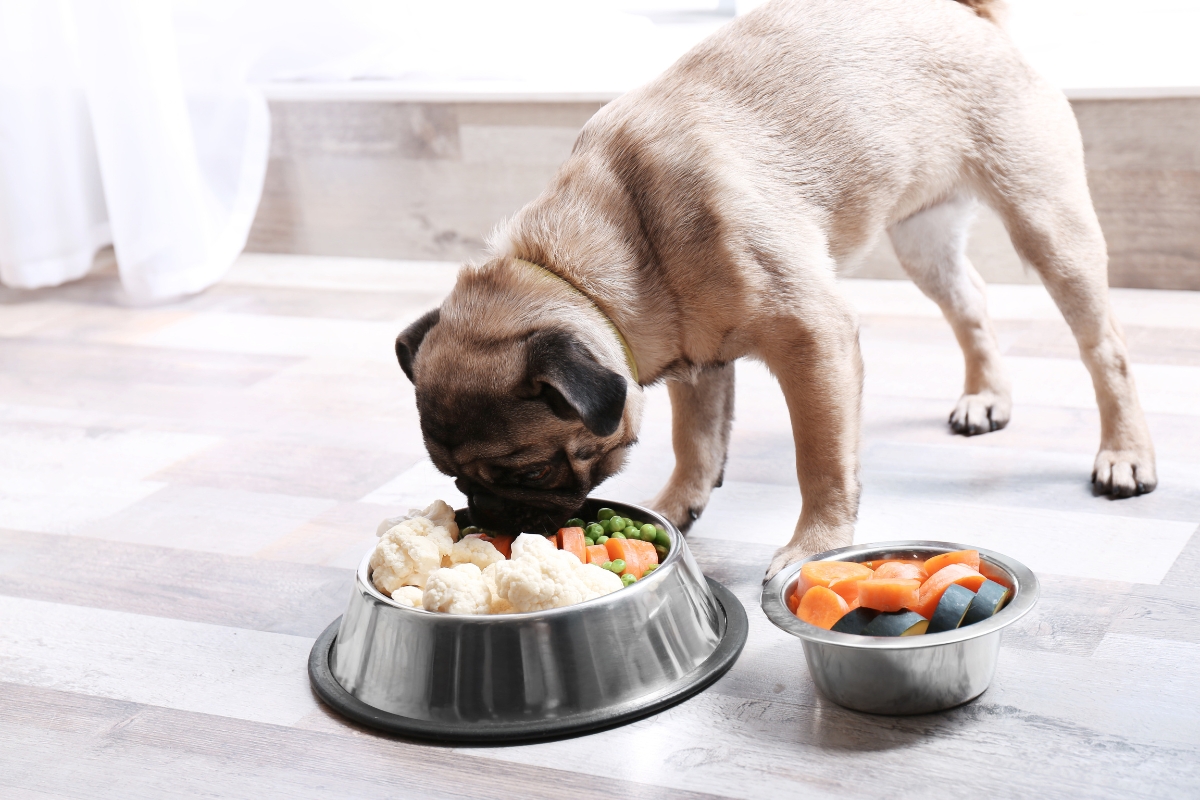
Breed also matters. Dogs with short noses, such as Bulldogs, Pugs, and Boston Terriers, can have more difficulty cooling themselves efficiently. Thick-coated breeds may also struggle during hot weather, especially when they exercise outdoors. This is why appropriate veterinary care and seasonal planning are important for protecting dogs from temperature-related health problems.
During cold weather, dogs may conserve body heat by reducing activity, curling up, or seeking warm areas. However, small dogs, puppies, senior dogs, and dogs with thin coats can become cold more quickly. Prolonged exposure to very low temperatures can increase the risk of hypothermia and frostbite.
How Cats Respond to Temperature Changes
Cats often hide signs of discomfort, which can make temperature-related problems harder to recognize. They may respond to heat by resting more, seeking cooler surfaces, grooming themselves more frequently, or reducing physical activity.
Although cats generally tolerate moderate temperature changes well, they can still overheat. Long-haired cats, overweight cats, kittens, senior cats, and cats with certain medical conditions may have greater difficulty handling extreme temperatures.
In colder conditions, cats often seek warm resting places. You may notice your cat sleeping near sunny windows, blankets, heating areas, or other warm spots. However, cats should never be allowed to come into direct contact with very hot heating devices because burns can occur.
Why Heat Affects Dogs and Cats Differently
One of the biggest differences is how each species cools itself. Dogs depend heavily on panting, while cats primarily rely on behavioral adjustments and grooming. Cats do pant occasionally, but noticeable or persistent panting can indicate significant stress, overheating, or another health concern.
Dogs may also continue playing or exercising even when conditions become uncomfortable. Their enthusiasm can cause them to overexert themselves before an owner realizes they need a break. Cats, on the other hand, often regulate their activity more independently by moving away from uncomfortable areas.
Consequently, outdoor activities should be adjusted according to the individual pet rather than relying only on the weather forecast.
Signs Your Pet May Be Too Hot
During warm weather, watch for changes in behavior and physical condition. Dogs may show excessive panting, drooling, weakness, restlessness, vomiting, confusion, or difficulty walking. In severe cases, overheating can become life-threatening.
Cats may show rapid breathing, excessive grooming, weakness, drooling, vomiting, or unusual lethargy. A cat that suddenly seeks unusual places to rest or appears unable to settle comfortably may also be experiencing heat stress.
If your pet shows concerning symptoms, move them to a cooler environment and contact a veterinarian promptly. Avoid delaying care while waiting for symptoms to disappear.
Signs Your Pet May Be Too Cold
Cold weather creates different concerns. Dogs may shiver, lift their paws repeatedly, resist walking, or seek shelter. Cats may become less active and spend more time curled up in warm locations.
Puppies, kittens, senior pets, and animals with underlying health concerns may be especially sensitive to cold. Wet fur can also increase heat loss, so dry your pet thoroughly after exposure to rain, snow, or damp conditions.
Never assume that a thick coat completely protects an animal from cold temperatures. Wind, moisture, body size, age, and health status all influence how quickly a pet loses body heat.
How to Keep Pets Comfortable During Seasonal Changes
Simple adjustments can make temperature changes easier for both dogs and cats. During hot weather, provide fresh water, shade, ventilation, and access to a cool indoor area. Avoid strenuous exercise during the hottest part of the day.
In winter, provide a warm, dry resting area and limit prolonged exposure to freezing temperatures. For outdoor cats, provide safe shelter and consider keeping them indoors during extreme weather.
Additionally, check your pet’s paws after winter walks. Ice, snow, salt, and other deicing materials can irritate paw pads and may cause problems if a pet licks them.
When Temperature Changes Require Veterinary Attention
Some pets need closer monitoring because of age, breed, body condition, or health status. Dogs with respiratory problems, cats with chronic conditions, and very young or elderly pets may have less ability to cope with temperature extremes.
Haw Creek Animal Hospital can help evaluate your pet’s individual risks and provide guidance for keeping them comfortable as weather conditions change. Regular examinations can also help identify health concerns that may make temperature regulation more difficult.
Help Your Pet Adjust Safely
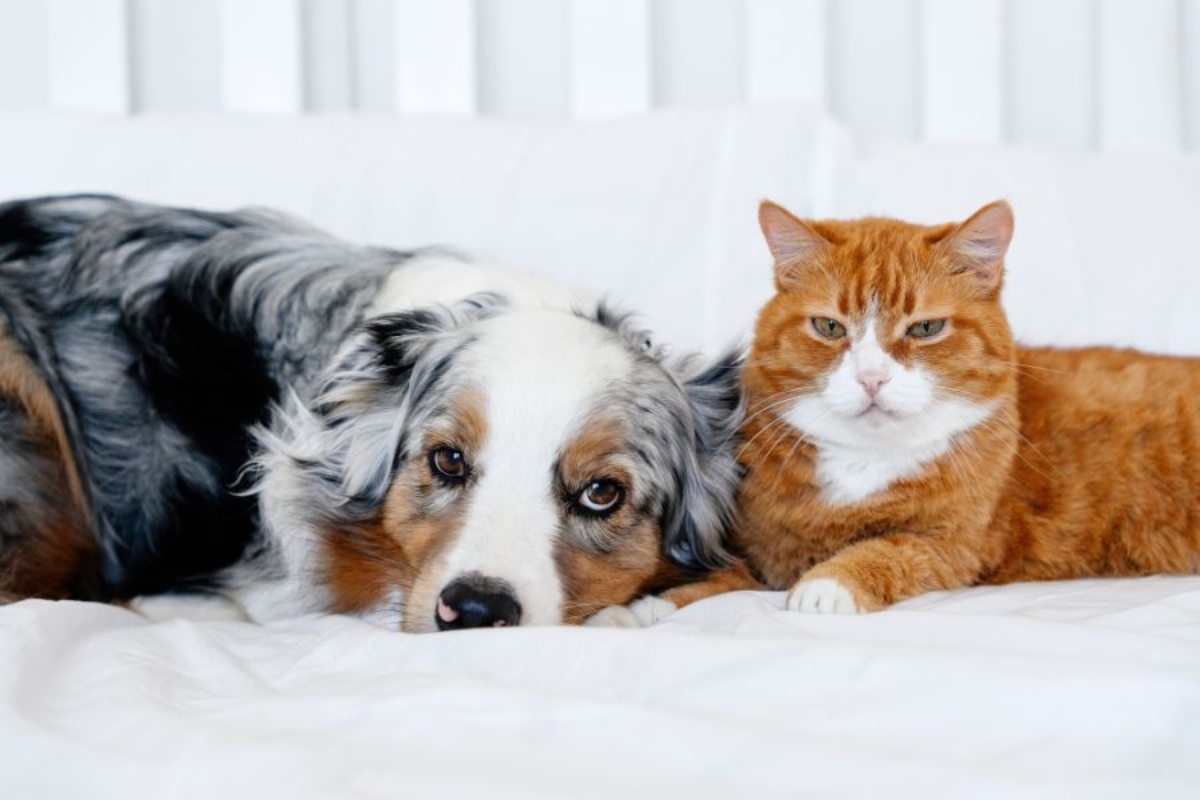
Dogs and cats may share the same home, but they do not always respond to temperature changes in the same way. By understanding species-specific behaviors, recognizing warning signs, and adjusting exercise and indoor conditions, you can reduce weather-related risks throughout the year.
Schedule your appointment with Haw Creek Animal Hospital for personalized guidance on protecting your dog or cat during seasonal temperature changes.
Frequently Asked Questions
Q1. Do dogs get hotter than cats?
Ans: Dogs can be more vulnerable to overheating because they rely heavily on panting to release body heat. However, cats can also experience heat stress, particularly during extreme temperatures or when they have health conditions that affect temperature regulation.
Q2. Are cats better at handling cold weather than dogs?
Ans: Not necessarily. A cat’s tolerance depends on coat type, age, body condition, health, and exposure time. Kittens, senior cats, and cats with short or thin coats may become cold relatively quickly.
Q3. Why does my dog pant when it is hot?
Ans: Panting helps dogs release heat through evaporation from the respiratory tract. Excessive panting, especially with weakness, vomiting, confusion, or difficulty walking, can indicate dangerous overheating.
Q4. Is panting normal for cats?
Ans: Occasional panting can happen after intense activity or significant stress, but persistent panting is not typical for cats. If it occurs without an obvious explanation, contact a veterinarian for guidance.
Q5. Should pets stay indoors during extreme weather?
Ans: Yes. During very hot or cold conditions, keeping pets in a temperature-controlled environment is generally safer. Outdoor time should be limited and closely monitored when temperatures become extreme.
Q6. Which pets are most sensitive to temperature changes?
Ans: Puppies, kittens, senior pets, small animals, thin-coated pets, overweight animals, and pets with certain medical conditions may be more sensitive. Brachycephalic dogs can also face increased heat-related risks.