Children’s toys and arts-and-crafts supplies can bring hours of fun into a home, but they may also create unexpected hazards for curious dogs and cats. Small building blocks, loose strings, glue, paint, and craft decorations can cause choking, digestive blockages, or toxic reactions if pets chew or swallow them. Knowing which household items pose risks is an important part of responsible pet ownership.
For families looking for reliable veterinary care, understanding these hidden dangers can help prevent avoidable injuries. At Haw Creek Animal Hospital, we encourage pet owners to recognize common household hazards, supervise playtime, and seek veterinary advice when a pet may have swallowed a dangerous object.
Which Children’s Toys Can Be Dangerous for Pets?
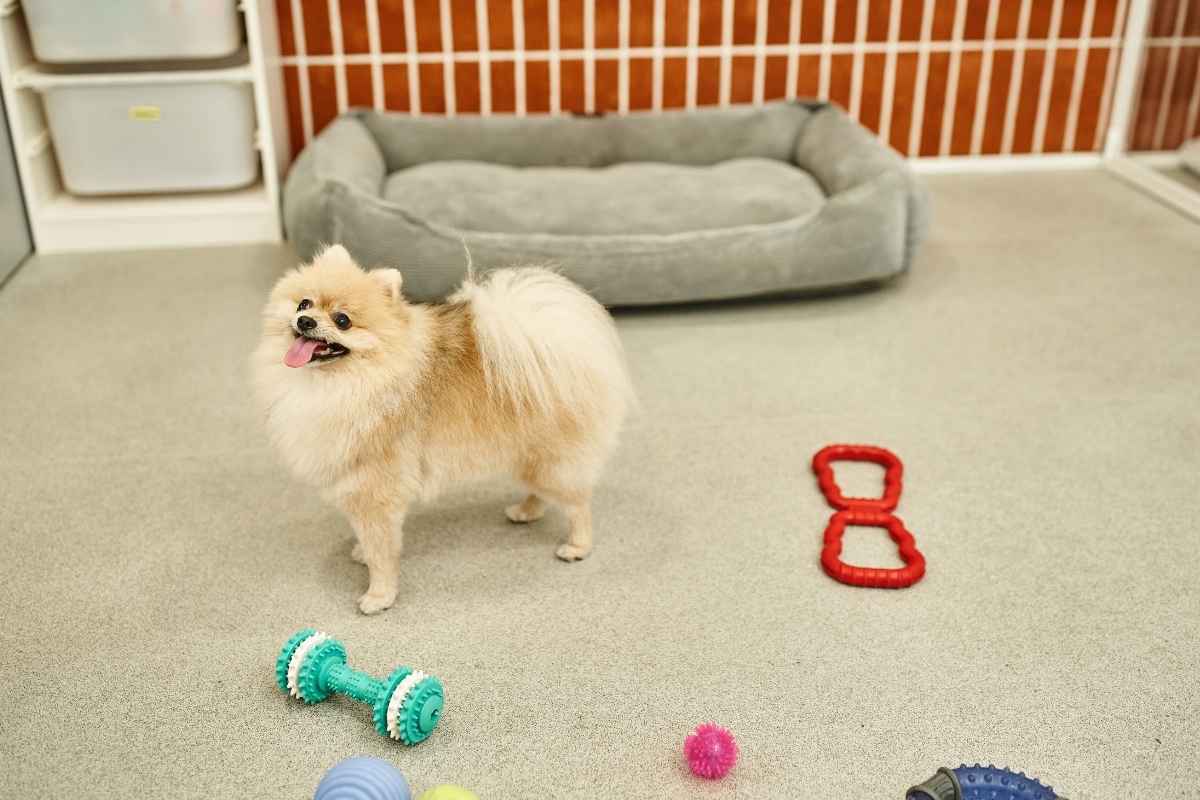
A toy that is safe for a child may not be suitable for a pet. Dogs often explore objects by chewing, while cats may chase small, moving items or play with dangling strings. These behaviors can turn everyday toys into potential hazards.
Common risks include:
- Small building blocks and toy parts: LEGO-style pieces, miniature figures, beads, and doll accessories can be swallowed and become lodged in the digestive tract.
- Batteries and electronic toys: Button batteries can cause severe internal tissue damage if swallowed. Chewed electrical components may also cause burns or electric shock.
- Stuffed animals: Loose stuffing, plastic eyes, ribbons, and squeakers can cause choking or intestinal obstruction if ingested.
- Strings, yarn, and ribbons: Cats are particularly vulnerable to swallowing string-like materials. These items can damage the intestines and may require urgent treatment.
- Water beads and sensory toys: Small, expandable beads can create serious digestive obstructions if swallowed.
Store toys in closed containers after playtime, and check floors regularly for pieces that may have rolled under furniture.
Hidden Risks in Homemade Crafts and DIY Activities
Craft projects often involve materials that seem harmless but can irritate a pet’s digestive system or cause more serious complications.
Glue, Paint, and Modeling Materials
Some adhesives contain ingredients that can irritate the mouth and stomach. Certain expanding polyurethane glues can enlarge after ingestion, potentially creating an obstruction. Paints, inks, modeling clays, and other craft products may also contain ingredients that are unsafe for animals.
Read product labels carefully and keep supplies out of reach while crafting. A label indicating that a product is suitable for children does not automatically mean it is safe for pets.
Glitter, Beads, and Decorative Pieces
Glitter, sequins, pom-poms, buttons, and small decorative objects may attract playful pets. Depending on the material and amount swallowed, they can cause irritation, choking, or digestive blockage. Sharp craft sticks, wire, and broken plastic pieces can injure the mouth or digestive tract.
Clean work surfaces after each project and dispose of scraps in a covered trash container.
Salt Dough and Homemade Ornaments
Salt dough deserves special attention. Homemade ornaments and craft dough can contain high concentrations of salt, which may cause dangerous sodium imbalances if eaten. Keep finished decorations and leftover dough away from pets, even after a project is complete.
What Signs Suggest Your Pet Swallowed Something Dangerous?
Symptoms vary depending on the item, its ingredients, and where it becomes lodged. Some problems develop quickly, while a digestive obstruction may not cause obvious signs immediately.
Watch for:
- Vomiting or repeated attempts to vomit
- Drooling, gagging, or difficulty swallowing
- Loss of appetite or unusual tiredness
- Abdominal pain, bloating, or a hunched posture
- Straining to pass stool or producing less stool than usual
- Diarrhea, agitation, tremors, or unusual behavior
Seek urgent veterinary attention if your pet has trouble breathing, collapses, experiences seizures, or may have swallowed a button battery, toxic material, or sharp object. Contact a veterinarian promptly if you suspect ingestion, even when your pet appears normal.
Do not induce vomiting or give home remedies unless a veterinarian or animal poison specialist specifically instructs you to do so. Never pull string protruding from your pet’s mouth or anus, as it may be anchored internally and cause injury.
How Can You Make Crafts and Playtime Safer?
You do not need to stop family craft projects or children’s playtime to protect your pets. A few practical precautions can make shared spaces safer.
- Create separate activity areas. Use a closed room or secure barrier to keep pets away from small toys and craft supplies.
- Supervise interactions. Do not leave pets unattended with toys that have loose parts, strings, or detachable decorations.
- Choose pet-appropriate toys. Select toys suited to your pet’s size and chewing habits. Inspect them frequently and discard damaged items.
- Store supplies securely. Keep scissors, needles, glue, paints, beads, batteries, and other small objects in closed cabinets or containers.
- Clean up immediately. Pick up scraps, sweep or vacuum small pieces, and empty craft waste into a secure bin.
- Teach children safe habits. Explain that pets should not chew on craft materials or be offered small toys as treats.
What Should You Do if Your Pet Eats a Toy or Craft Supply?
Act promptly if you see your pet swallow an object or discover that a potentially dangerous item is missing. Remove any remaining materials from the area and note what your pet may have eaten, how much is missing, and when the incident occurred. Keep the product packaging or take a photo of its ingredients if a craft material is involved.
Contact your veterinarian for advice on the next steps. Depending on the item and your pet’s condition, the veterinarian may recommend an examination, imaging, monitoring, or treatment to remove the object. Early assessment can help identify problems before they become more serious.
Pet safety is an important part of helping families protect their dogs and cats from preventable household hazards. Dr. Rachel Horne, a veterinarian at Haw Creek Animal Hospital with experience in emergency and specialty care as well as general practice, brings a broad clinical background to pet health. Her interest in making art with her children also makes household craft safety a relevant topic for families who share their homes with pets.
Help Keep Your Pet Safe at Home
Children’s toys and DIY crafts can be enjoyable parts of family life when pets are protected from small objects, hazardous materials, and unsupervised play. Store supplies safely, clean up after activities, and contact a veterinarian whenever you suspect your pet has swallowed something dangerous.
If you need guidance about a possible ingestion or want advice on preventing household injuries, contact Haw Creek Animal Hospital in Asheville, NC, for help determining the appropriate next step.
Frequently Asked Questions
Q1. Can dogs get sick from eating children’s toys?
Ans: Yes. Swallowed toy parts can cause choking, intestinal blockages, or internal injuries. Some toy materials may also contain harmful ingredients. Contact a veterinarian if your dog swallows part of a toy, even if no symptoms appear.
Q2. Are craft supplies toxic to cats and dogs?
Ans: Some craft supplies can be harmful, including certain glues, paints, salt dough, and modeling materials. Risk depends on the ingredients and the amount ingested. Haw Creek Animal Hospital can help pet owners determine what information to provide when seeking veterinary advice.
Q3. What should I do if my cat swallows string or yarn?
Ans: Contact a veterinarian promptly. String can become anchored in the digestive tract and cause serious injury. Never pull string from your cat’s mouth or anus, and do not attempt to induce vomiting.
Q4. Are homemade toys safe for pets?
Ans: Some simple options, such as supervised play with an appropriately sized cardboard box, may be suitable. Avoid homemade toys containing loose strings, small detachable parts, sharp edges, or materials your pet may swallow. Supervise play and remove damaged items.
Q5. When should I contact a veterinarian after my pet swallows a craft item?
Ans: Contact a veterinarian promptly if you suspect ingestion, particularly when the item contains chemicals, salt, batteries, sharp parts, or string. Breathing difficulty, collapse, seizures, or suspected battery ingestion require urgent attention. Haw Creek Animal Hospital can advise you on appropriate next steps.
Q6. How can Haw Creek Animal Hospital help prevent household injuries?
Ans: The veterinary team can evaluate pets after suspected ingestion and advise owners about symptoms that require attention. The team can also help families discuss practical prevention strategies during veterinary visits, supporting safer home environments for dogs and cats.