As cats age, their nutritional requirements change significantly. Senior cats need a diet that supports organ function, maintains muscle mass, and prevents age-related health problems. Proper nutrition is crucial for their overall well-being, helping them stay active, energetic, and healthy in their golden years.
In this guide, we will explore what to feed your senior cat, what foods to avoid, and how to optimize their diet for long-term health.
Why Senior Cat Nutrition Matters
Nutrition is the foundation of senior cat care. Older cats often experience slower metabolism, reduced activity levels, and increased risk of chronic diseases such as kidney disease, diabetes, and obesity. Feeding your cat the right diet can help:
- Preserve lean muscle mass
- Support joint and bone health
- Maintain a healthy weight
- Improve digestion and nutrient absorption
- Reduce the risk of chronic conditions
By prioritizing proper nutrition, you enhance your cat’s quality of life and help them age gracefully.
Essential Nutrients for Senior Cats
When planning your senior cat’s diet, focus on these key nutrients:
1. High-Quality Protein
Protein helps maintain muscle mass, which naturally declines with age. Look for easily digestible sources such as chicken, turkey, or fish. Adequate protein intake is critical for energy, immune function, and overall vitality.
2. Healthy Fats
Omega-3 and Omega-6 fatty acids support joint health, reduce inflammation, and promote a shiny coat and healthy skin. Sources include fish oil, flaxseed, and certain animal fats.
3. Fiber
Fiber improves digestion, helps maintain a healthy weight, and prevents constipation, which is common in older cats. Foods rich in fiber also support gut health and nutrient absorption.
4. Vitamins and Minerals
Vitamins such as B-complex and E, along with antioxidants, boost the immune system and overall energy. Minerals like calcium, phosphorus, and potassium maintain bone strength and organ function.
5. Hydration
Senior cats are prone to kidney and urinary tract issues. Wet or canned foods increase moisture intake, while always ensuring access to fresh water. Proper hydration aids digestion and supports kidney function.
Foods to Feed Your Senior Cat
To meet your cat’s nutritional needs, include:
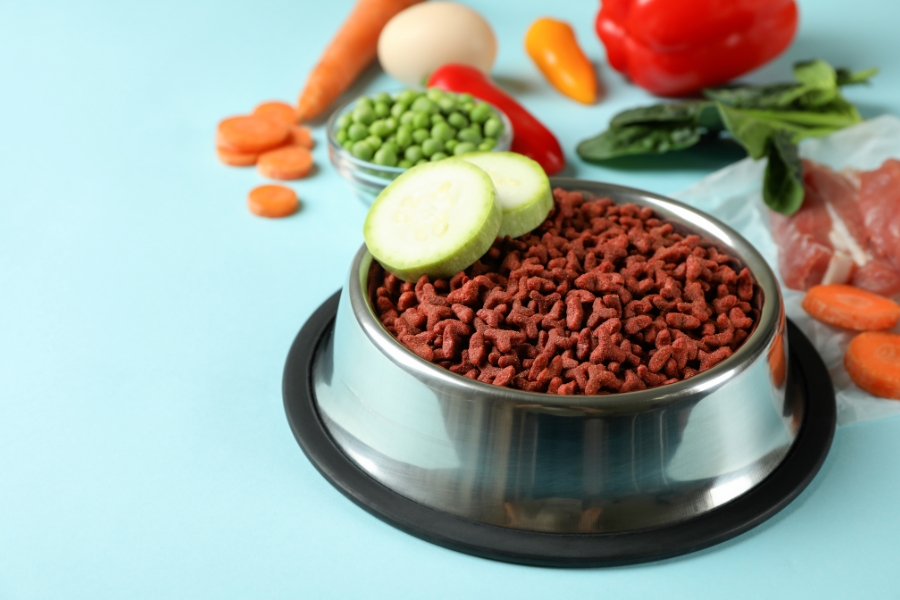
- High-quality commercial senior cat food formulated for older cats
- Wet food or canned food to increase hydration
- Lean meats and fish as protein sources
- Moderate fiber vegetables like pumpkin for digestion support
- Supplements only if recommended by your veterinarian
Transitioning gradually to senior-specific foods ensures your cat adapts comfortably and receives all essential nutrients.
Foods to Avoid
Certain foods can harm senior cats and should be avoided:
- Low-quality fillers like corn, soy, or wheat, which provide little nutritional value
- High-fat or high-sodium foods can lead to obesity or heart problems
- Onions, garlic, chocolate, and grapes are toxic to cats
- Raw diets without veterinary guidance, due to potential bacterial contamination
- Dairy products which many cats cannot digest properly
Avoiding harmful foods reduces the risk of illness and supports healthy aging.
Tips for Feeding Senior Cats
Beyond choosing the right foods, implement these feeding strategies:
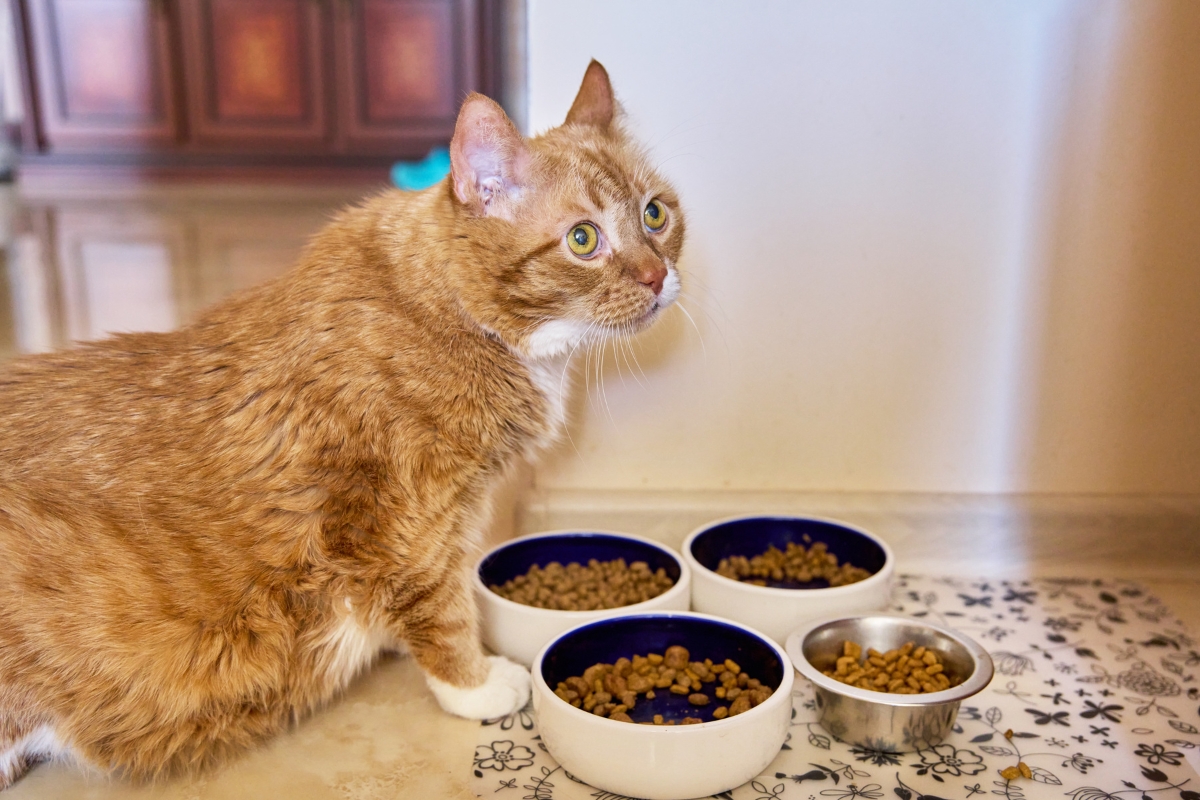
- Frequent Small Meals: Older cats may eat less, so multiple smaller meals ensure adequate nutrition.
- Monitor Weight and Condition: Track weight changes to adjust food portions as needed.
- Maintain Hydration: Offer fresh water daily and add water to dry food if necessary.
- Gradual Diet Changes: Transition slowly to new foods to prevent digestive upset.
These practices help ensure your senior cat receives consistent nutrition tailored to their age and health needs.
Proper nutrition is vital for senior cats, supporting muscle maintenance, joint health, and overall longevity. Feeding high-quality protein, healthy fats, fiber, and keeping them hydrated helps prevent age-related conditions and promotes a happy, active life.
For cat owners seeking professional guidance, trusted resources for senior cat care in Asheville, NC can provide personalized dietary recommendations and ongoing support for your aging feline companion.
Frequently Asked Questions (FAQs)
Q1. What is the best food for senior cats?
Ans. Senior-specific diets with high-quality protein, healthy fats, and fiber are ideal.
Q2. Can senior cats eat adult cat food?
Ans. They can, but senior-specific foods meet their unique nutritional needs better.
Q3. How often should I feed my senior cat?
Ans. Provide smaller, frequent meals 2–4 times a day to support digestion and energy.
Q4. Should I include wet food in my senior cat’s diet?
Ans. Yes, it increases hydration and is easier to eat for cats with dental issues.
Q5. What foods should I avoid for senior cats?
Ans. Avoid low-quality fillers, high-fat foods, onions, garlic, chocolate, grapes, and dairy.
Q6. Are supplements necessary for senior cats?
Ans. Supplements may be helpful for joints or immune support, but consult your veterinarian first.