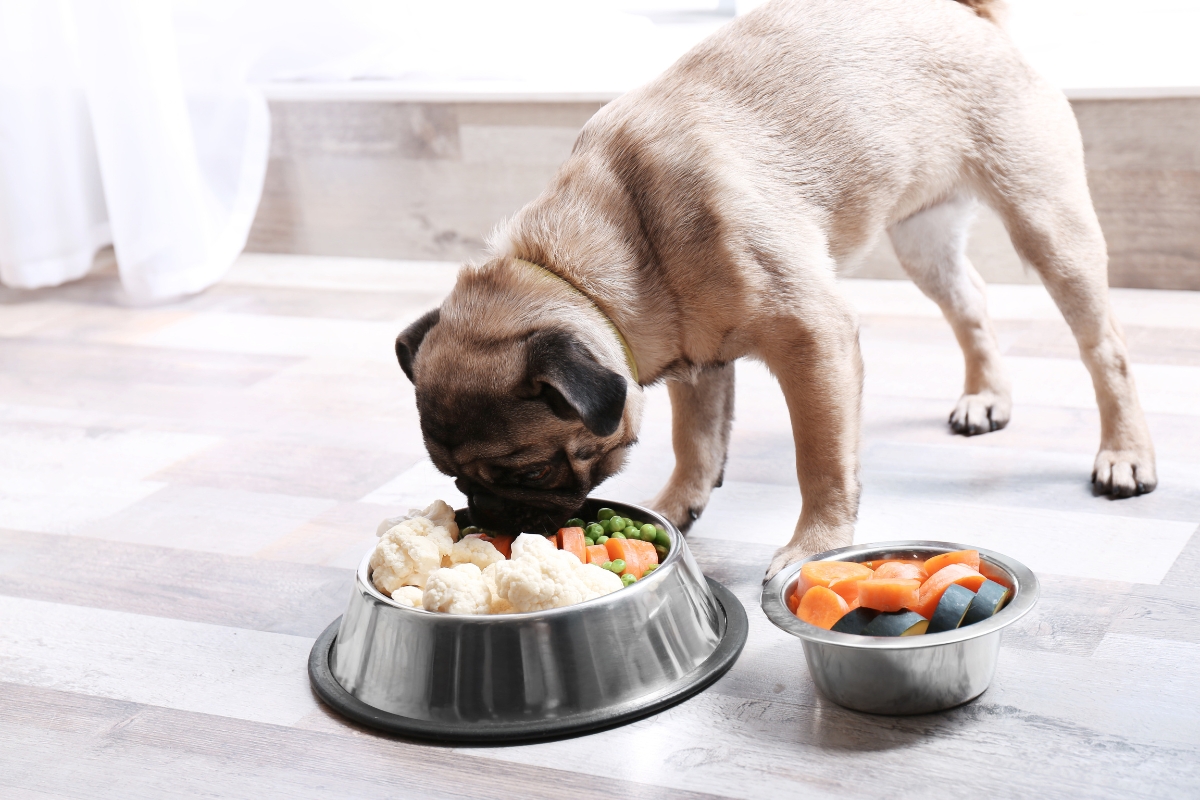
As a dog owner, it’s natural to want to share healthy snacks with your furry companion. Fruits and vegetables can provide valuable vitamins, minerals, antioxidants, and fiber, making them a nutritious addition to many dogs’ diets. However, not every fruit or vegetable is safe. Some common produce found in your kitchen can cause digestive upset, toxicity, or even life-threatening complications.
Understanding which foods are safe and which should always be avoided is an important part of responsible pet ownership. This guide covers the fruits and vegetables dogs can and can’t eat, how to serve them safely, and when to contact your veterinarian if your dog accidentally consumes something harmful.
Are Fruits and Vegetables Good for Dogs?
Yes, many fruits and vegetables can be healthy treats when fed in moderation. They should never replace a complete and balanced dog food but can serve as low-calorie snacks or training rewards.
Benefits of safe fruits and vegetables include:
- Natural vitamins and minerals
- Dietary fiber for healthy digestion
- Antioxidants that support immune health
- Hydration from water-rich produce
- Healthy alternatives to high-calorie treats
Treats, including fruits and vegetables, should generally make up no more than 10% of your dog’s daily calorie intake.
Fruits Dogs Can Safely Eat
Apples
Apples are rich in fiber and vitamins A and C.
Before serving:
- Remove the seeds and core.
- Slice into bite-sized pieces.
Blueberries
Blueberries are packed with antioxidants that support healthy aging and immune function. They also make excellent training treats.
Bananas
Bananas provide potassium, vitamin B6, and fiber. Because they contain natural sugars, offer them in moderation.
Watermelon
Seedless watermelon is refreshing and hydrating.
Always:
- Remove seeds.
- Remove the rind before feeding.
Strawberries
Strawberries contain vitamin C and antioxidants. Wash thoroughly and serve fresh without added sugar.
Cantaloupe
Cantaloupe is high in vitamins A and C. Remove the rind and seeds before offering small portions.
Mango
Dogs can enjoy ripe mango after removing the pit and peel.
Pears
Fresh pears are safe when the seeds and core are removed.
Fruits Dogs Should Never Eat
Grapes and Raisins
Grapes and raisins are highly toxic to dogs and can cause sudden kidney failure. Even small amounts may be dangerous.
Cherries
Cherry pits contain cyanide and present a choking hazard. The stems and leaves are also toxic.
Avocados
Avocados contain persin, which may cause digestive upset in dogs. The large pit is also a choking risk.
Unripe Tomatoes
Green tomatoes and tomato plants contain solanine, which may be toxic in large amounts.
Vegetables Dogs Can Safely Eat
Carrots
Carrots are one of the healthiest treats for dogs. They are low in calories and promote dental health through chewing.
Green Beans
Fresh, frozen, or steamed green beans make an excellent high-fiber snack.
Cucumbers
Cucumbers are hydrating and low in calories, making them ideal for overweight dogs.
Sweet Potatoes
Cooked sweet potatoes provide fiber, vitamin A, and potassium.
Never feed raw sweet potatoes in large amounts.
Pumpkin
Plain cooked pumpkin supports healthy digestion and is often recommended for mild digestive upset.
Avoid canned pumpkin pie filling, which contains added sugar and spices.
Broccoli
Small amounts of cooked or raw broccoli are generally safe.
Too much may cause stomach upset.
Zucchini
Zucchini is low in calories and easy to digest when served plain.
Spinach
Small amounts are acceptable occasionally, although it should not become a regular part of your dog’s diet.
Vegetables Dogs Should Avoid
Onions
Onions are toxic and can damage red blood cells, potentially leading to anemia.
Garlic
Although sometimes promoted in home remedies, garlic is toxic to dogs and should never be intentionally fed.
Wild Mushrooms
Many wild mushrooms are poisonous and should always be avoided.
Rhubarb
Rhubarb leaves contain compounds that can affect the kidneys and nervous system.
How to Introduce New Fruits and Vegetables
Whenever introducing a new food:
- Offer only a small amount.
- Monitor for vomiting or diarrhea.
- Watch for allergic reactions.
- Introduce one new food at a time.
This makes it easier to identify foods that may not agree with your dog.
Signs Your Dog Ate Something Toxic
Seek veterinary care immediately if your dog develops:
- Vomiting
- Diarrhea
- Weakness
- Tremors
- Difficulty breathing
- Excessive drooling
- Collapse
- Loss of appetite
Prompt treatment often leads to better outcomes.
Can Puppies Eat Fruits and Vegetables?
Yes, but puppies have more sensitive digestive systems.
Offer only small, soft pieces of safe fruits or cooked vegetables, and always supervise while they eat.
Avoid introducing multiple new foods at once.
When to Talk to Your Veterinarian
Dogs with diabetes, kidney disease, obesity, food allergies, or digestive disorders may require special dietary recommendations.
Before making significant changes to your dog’s diet, consult your veterinarian. If you’re looking for guidance from a veterinarian Asheville pet owners trust, discussing your dog’s nutritional needs during routine wellness visits can help ensure every treat supports their long-term health.
Healthy fruits and vegetables can be excellent additions to your dog’s diet when chosen carefully and served in moderation. While foods like carrots, blueberries, apples, and pumpkin offer valuable nutritional benefits, toxic foods such as grapes, raisins, onions, garlic, and cherries should always be kept out of your dog’s reach. Understanding which foods are safe helps prevent accidental poisoning and supports your dog’s overall health.
If you’re in Asheville, NC, and need guidance from a vet near you on choosing the best foods for your dog, schedule your appointment with Haw Creek Animal Hospital. Our team can help you develop a balanced nutrition plan tailored to your dog’s unique needs and lifelong wellness.
FAQs
Q1. Can dogs eat apples every day?
Ans: Yes, apples can be offered as an occasional treat after removing the seeds and core. They should not replace a balanced diet.
Q2. What fruit is most dangerous for dogs?
Ans: Grapes and raisins are among the most dangerous fruits because they can cause sudden kidney failure, even in small amounts.
Q3. Are raw carrots safe for dogs?
Ans: Yes. Raw carrots are safe for most dogs and can also help support dental health through chewing.
Q4. Can dogs eat bananas?
Ans: Yes. Bananas are safe in moderation but should be limited because they contain natural sugars.
Q5. What vegetables should dogs never eat?
Ans: Dogs should never eat onions, garlic, rhubarb leaves, or wild mushrooms due to their potential toxicity.
Q6. When should I contact a veterinarian after my dog eats something?
Ans: Contact a veterinarian immediately if your dog eats a known toxic food or develops symptoms such as vomiting, diarrhea, weakness, tremors, excessive drooling, or difficulty breathing.