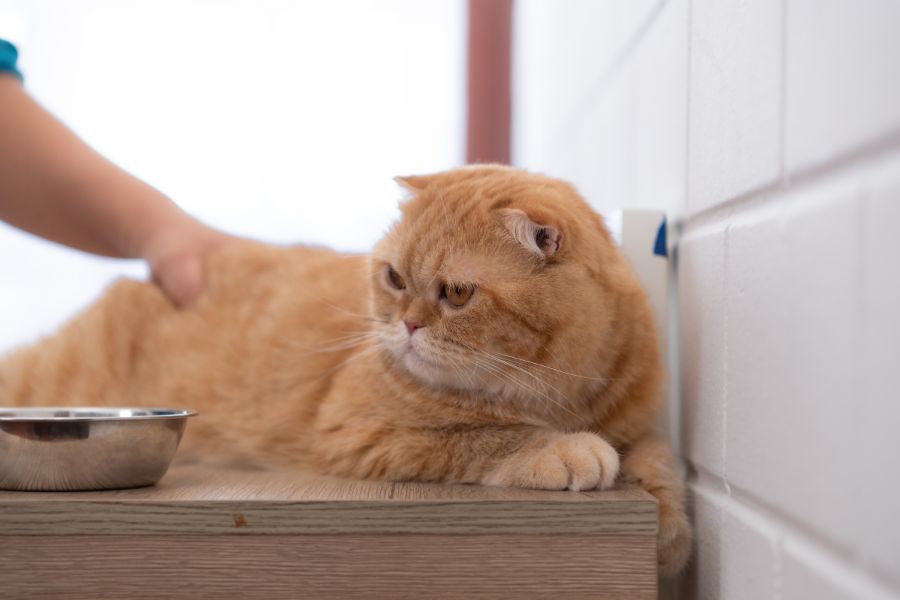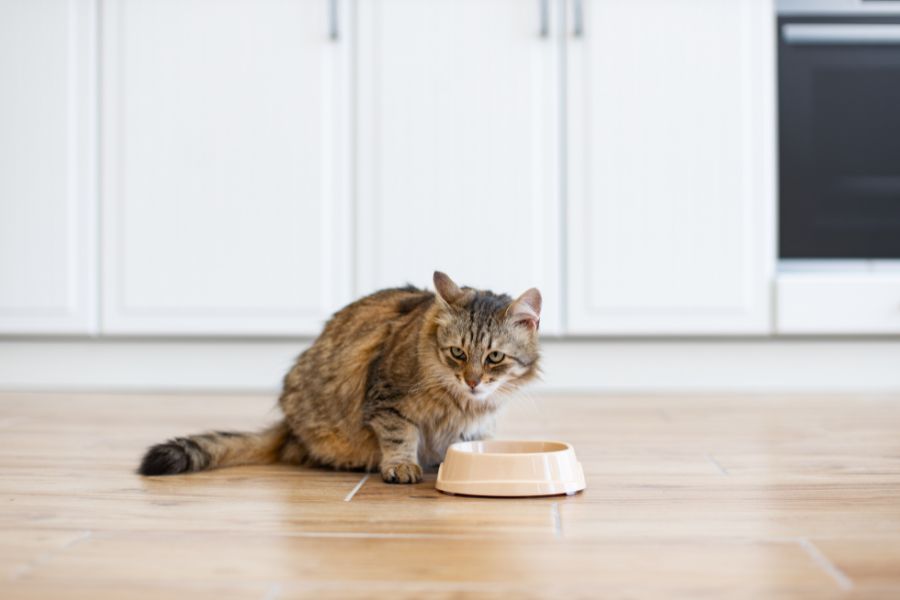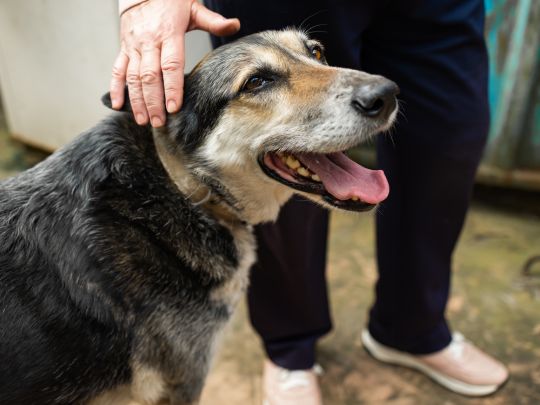
Watching your beloved pet grow older is both heartwarming and challenging. With age comes wisdom, affection—and a few extra health needs. Whether you share your life with a senior dog who still loves to chase the ball or a wise old cat who spends more time sunbathing than sprinting, senior pet care requires mindful attention. The golden years of your furry friend can be some of the most rewarding when you understand how to support their changing needs.
The Aging Difference: Spot the Change Early
One of the most important things pet owners can do is recognize the subtle signs of aging. Dogs and cats don’t suddenly become “old”—it’s a gradual process. The main difference between a young and senior pet often lies in their energy levels, appetite, and response to daily routines.
- Senior Dogs: They might tire more quickly, take longer naps, or show stiffness after playing or climbing stairs.
- Senior Cats: They may sleep longer, groom less, or seem hesitant to jump to their favorite high spots.
Spotting these changes early allows you to adjust their lifestyle, diet, and exercise before minor discomforts turn into serious health issues.
Nourishment That Nurtures: The Role of Diet in Senior Health
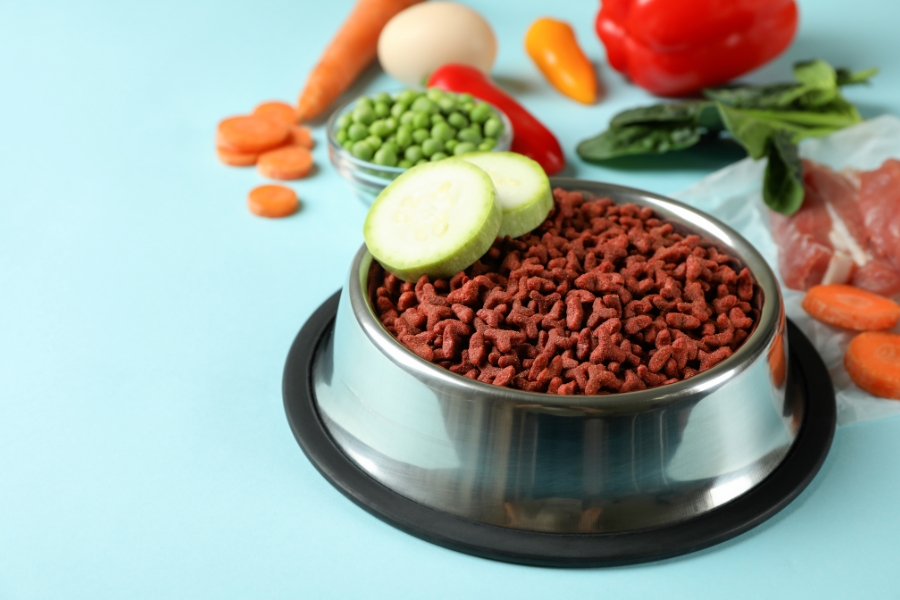
Just like humans, older pets benefit from a well-balanced, nutrient-rich diet. Senior pets need fewer calories but more high-quality protein, antioxidants, and essential fatty acids to maintain lean muscle and fight inflammation.
- Protein Power: Choose diets rich in animal protein to support muscle tone.
- Joint Support: Look for foods containing glucosamine, chondroitin, and omega-3s—they help keep joints supple and reduce pain.
- Digestive Care: Aging pets can develop sensitive stomachs. Foods with prebiotics and fiber promote healthy digestion and regular bowel movements.
???? Tip: Always transition to a new diet gradually to avoid upsetting your pet’s stomach. Consult your vet before changing their food—especially if they have conditions like kidney disease, diabetes, or arthritis.
Hydration: The Often-Overlooked Lifeline
Older pets tend to drink less water, which can lead to dehydration, kidney issues, and urinary tract problems. Encourage them to drink more by:
- Offering fresh water bowls in multiple locations.
- Switching to wet food or adding a bit of warm water to kibble.
- Using a pet water fountain, which entices cats and dogs with running water.
Even slight dehydration can affect energy levels and digestion. Keeping your pet well-hydrated helps their body flush out toxins and maintain organ health.
Routine Vet Visits: Prevention Over Cure
Regular veterinary checkups become crucial in a pet’s later years. Early detection of issues such as arthritis, diabetes, heart disease, or dental decay can extend both lifespan and quality of life.
Veterinarians often recommend biannual wellness exams for senior pets. During these visits, your vet may perform:
- Bloodwork and urinalysis to check kidney and liver function.
- Dental evaluations to detect tartar buildup or tooth pain.
- Weight and mobility assessments to adjust diet and activity levels.
Routine care ensures your pet gets the right medical attention before small issues grow serious. For pet owners seeking expert senior pet care in Asheville, NC, local veterinarians provide personalized guidance to support your furry companion’s golden years.
Dental Care: Small Mouth, Big Impact
Many owners underestimate how much oral health influences overall well-being. Dental disease can lead to pain, bad breath, and even infections that affect the heart, liver, and kidneys.
Simple steps to maintain your pet’s oral hygiene include:
- Daily or weekly tooth brushing using pet-safe toothpaste.
- Dental chews or water additives designed to reduce plaque buildup.
- Professional dental cleanings as recommended by your vet.
Healthy gums and teeth mean your senior pet can continue enjoying their favorite meals without discomfort.
Mental Enrichment: Keeping Their Mind Sharp
Aging doesn’t just affect the body—it also impacts the brain. Cognitive decline can show up as confusion, anxiety, or changes in sleep patterns. Mental stimulation keeps your pet’s mind engaged and alert.
Try:
- Puzzle toys and treat dispensers.
- Short, gentle play sessions.
- Training refreshers with easy commands.
- Quiet walks that provide new scents and scenery.
???? Remember: Routine, affection, and mental activity are key to keeping your senior pet happy and balanced.
Movement Matters: Exercise for Longevity
Exercise remains vital for older pets, but it should be tailored to their comfort and mobility. Overexertion can cause pain, while inactivity can worsen stiffness and weight gain.
For dogs:
- Go for shorter, slower walks multiple times a day instead of one long trek.
- Encourage gentle swimming—it’s joint-friendly and builds strength.
For cats:
- Offer interactive play with feather wands or laser pointers.
- Provide safe climbing areas to maintain agility and confidence.
Regular movement keeps joints flexible, muscles strong, and weight under control—making aging a smoother process.
Comfort at Home: Creating a Senior-Friendly Environment
As pets age, they appreciate comfort, warmth, and familiarity. Small adjustments at home can make a big difference:
- Soft bedding for sore joints.
- Non-slip rugs to prevent falls on slippery floors.
- Ramps or stairs to help them reach beds or couches safely.
- Accessible litter boxes or food bowls at ground level.
By adapting their environment, you create a safe, cozy space that supports their independence and comfort.
The Power of Emotional Connection
Perhaps the most beautiful part of caring for a senior pet is the deep emotional bond that grows stronger with time. Older dogs and cats thrive on love, patience, and routine. A gentle pat, soothing voice, or familiar scent can ease anxiety and strengthen trust.
Remember, they might move more slowly or hear less, but their heart beat with the same love they’ve always had for you. Your calm presence and steady affection give them security in their twilight years.
Cherishing the Golden Years
Senior pet care isn’t just about prolonging life—it’s about enriching it. By focusing on nutrition, exercise, comfort, and regular vet visits, you ensure your aging pet enjoys each day to the fullest. The golden years of your dog or cat can shine even brighter when you provide thoughtful care, understanding, and unconditional love. Growing old is inevitable. But growing old gracefully and joyfully—that’s where you come in.