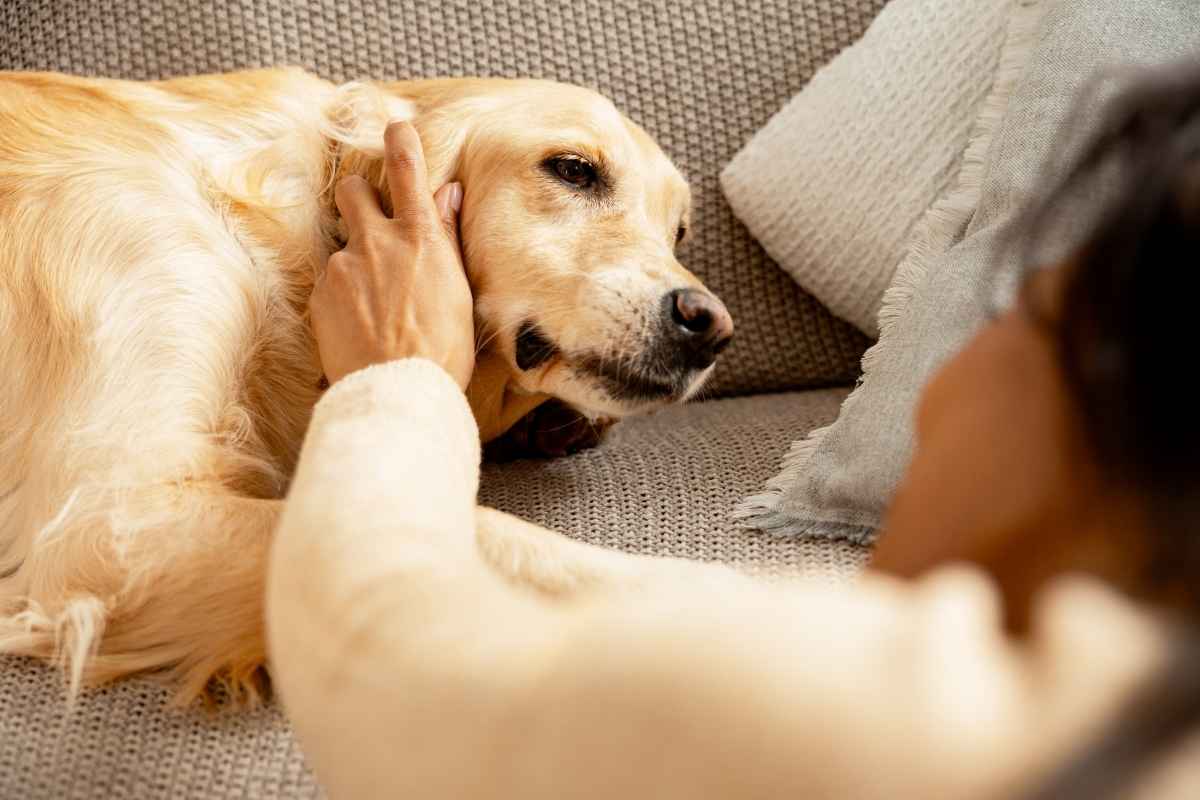
Pets have an incredible ability to hide discomfort. In the wild, showing weakness can make an animal vulnerable, and many dogs and cats still retain this instinct today. As a result, pet owners may not always recognize when their companion is suffering until the problem becomes more serious.
Understanding the signs of pain can help you act quickly and get your pet the care they need. While some aches and pains may be mild, others can signal injuries, illnesses, or medical conditions that require prompt veterinary evaluation.
At Dwight Veterinary Clinic, we encourage pet owners to pay close attention to changes in their pet’s behavior, mobility, and daily habits. Here are five important signs that your pet may be in pain and needs veterinary attention.
Why Recognizing Pain in Pets Can Be Challenging
Unlike humans, pets cannot tell us where it hurts or describe what they are feeling. Instead, they communicate discomfort through physical symptoms and behavioral changes.
Some pets become withdrawn and quiet, while others become restless or irritable. The signs can be subtle at first, which is why it’s important to know what to watch for.
Pain may result from:
- Injuries
- Joint disease
- Dental problems
- Digestive disorders
- Infections
- Neurological conditions
- Internal illnesses
- Age-related health concerns
Recognizing symptoms early can help prevent complications and improve your pet’s comfort.
1. Sudden Changes in Mobility
One of the most common indicators of pain is a change in the way your pet moves.
You may notice your pet:
- Limping
- Walking more slowly
- Refusing to climb stairs
- Struggling to jump onto furniture
- Hesitating before standing up
- Showing stiffness after resting
While arthritis can cause gradual mobility changes, sudden limping or difficulty walking should never be ignored.
A mobility issue could be caused by:
- Soft tissue injuries
- Joint injuries
- Fractures
- Back problems
- Neurological disorders
If your pet suddenly becomes unable to bear weight on a limb or appears to be in significant discomfort, contact your veterinarian promptly.
2. Changes in Appetite or Drinking Habits
A healthy appetite is often a good indicator of overall wellness. When a pet is in pain, eating and drinking habits may change noticeably.
Warning signs include:
- Refusing meals
- Eating significantly less than usual
- Difficulty chewing
- Dropping food while eating
- Increased or decreased water intake
Dental disease is a common cause of pain-related appetite changes, but many other medical conditions can also contribute.
For example:
- Oral infections
- Gastrointestinal issues
- Kidney disease
- Liver disease
- Internal injuries
If your pet suddenly loses interest in food or water, especially when combined with other symptoms, veterinary evaluation is recommended.
3. Unusual Vocalization or Behavioral Changes
Behavioral changes are often among the earliest signs that something is wrong.
A pet in pain may:
- Whine
- Cry out unexpectedly
- Growl when touched
- Become irritable
- Hide more often
- Avoid family interaction
- Show signs of anxiety
- Become unusually clingy
Cats, in particular, are known for hiding discomfort. A normally social cat that suddenly isolates itself may be trying to cope with pain.
Similarly, dogs that become withdrawn or unusually aggressive may be reacting to discomfort rather than displaying a behavioral problem.
Never assume a sudden personality change is simply a mood shift. Physical pain is often an underlying factor.
4. Excessive Panting, Restlessness, or Difficulty Getting Comfortable
Pets experiencing pain often have trouble relaxing.
Signs may include:
- Excessive panting
- Constant pacing
- Frequently changing positions
- Difficulty lying down
- Restlessness at night
- Inability to settle comfortably
While panting is normal after exercise or in warm weather, excessive panting without an obvious reason may indicate pain or illness.
Common causes include:
- Abdominal discomfort
- Injury
- Arthritis flare-ups
- Heart disease
- Respiratory issues
If your pet seems unable to get comfortable despite rest, it may be time to contact your veterinarian.
5. Changes in Bathroom Habits
Pain and illness can affect normal urination and bowel movements.
Watch for:
- Straining to urinate
- Frequent attempts to urinate
- Blood in the urine
- Constipation
- Diarrhea
- Accidents in the house
- Difficulty squatting
These symptoms may be linked to:
- Urinary tract infections
- Bladder stones
- Digestive disorders
- Kidney disease
- Painful joint conditions
Changes in bathroom habits can indicate serious medical issues and should be addressed promptly.
Additional Signs of Pain Pet Owners Should Know
Beyond the five major warning signs, other indicators of discomfort include:
- Trembling
- Excessive licking of one area
- Swelling
- Sensitivity to touch
- Changes in posture
- Head shaking
- Drooping ears
- Decreased activity levels
Because pets often display pain differently, it’s important to evaluate the overall picture rather than focusing on a single symptom.
What To Do If You Think Your Pet Is in Pain
If you suspect your pet is hurting, avoid attempting to diagnose or treat the issue at home.
Instead:
Observe Symptoms Carefully
Make note of:
- When symptoms started
- Changes in behavior
- Eating and drinking habits
- Mobility concerns
- Bathroom changes
Limit Physical Activity
Reduce running, jumping, and strenuous activity until your pet can be evaluated.
Avoid Human Pain Medications
Many medications intended for humans can be dangerous for pets. Never administer medication without veterinary guidance.
Contact Your Veterinarian
The sooner pain is evaluated, the sooner treatment can begin.
Why Prompt Veterinary Attention Matters
Pain is often the body’s way of signaling that something is wrong. While some causes may be relatively minor, others can worsen quickly if left untreated.
Prompt veterinary care may help:
- Identify the underlying cause
- Reduce discomfort
- Prevent complications
- Improve recovery outcomes
- Protect your pet’s long-term health
Recognizing these warning signs and seeking urgent pet care when needed can make a significant difference in your pet’s quality of life.
Compassionate Care for Pets and Their Families
No pet owner wants to see their companion suffer. If your dog or cat is showing signs of pain, don’t wait for symptoms to worsen.
The team at Dwight Veterinary Clinic is committed to helping pets receive prompt, compassionate care when health concerns arise.
We proudly serve pet owners throughout Swannanoa, Black Mountain, Fairview, Candler, and the surrounding communities.
Call (828) 298-1678 today to discuss your pet’s symptoms and schedule an evaluation. You can also learn more about our services on the Haw Creek Animal Hospital Website. Early attention can help your pet feel better sooner and support their overall well-being.
Frequently Asked Questions
Q1. How can I tell if my pet is in pain?
Ans. Common signs include limping, loss of appetite, behavioral changes, excessive panting, restlessness, and changes in bathroom habits. Some pets may also hide, become withdrawn, or resist being touched.
Q2. Do dogs and cats show pain differently?
Ans. Yes. Dogs may become vocal, restless, or less active, while cats often hide their discomfort and may withdraw from normal activities. Any sudden behavioral change should be taken seriously.
Q3. When should I contact a veterinarian about my pet’s pain?
Ans. You should contact a veterinarian if symptoms appear suddenly, worsen quickly, interfere with eating or mobility, or are accompanied by vomiting, diarrhea, breathing difficulties, or unusual behavior.
Q4. Can a loss of appetite indicate pain?
Ans. Yes. Pain from dental disease, digestive disorders, injuries, or other medical conditions can cause pets to eat less or stop eating altogether.
Q5. Is limping always a sign of pain?
Ans. In most cases, limping indicates discomfort or injury. Even mild limping should be monitored closely, while sudden or severe limping warrants prompt veterinary attention.
Q6. Can I give my pet over-the-counter pain medication?
Ans. No. Many human pain medications can be harmful or toxic to pets. Always consult a veterinarian before giving any medication to your dog or cat.