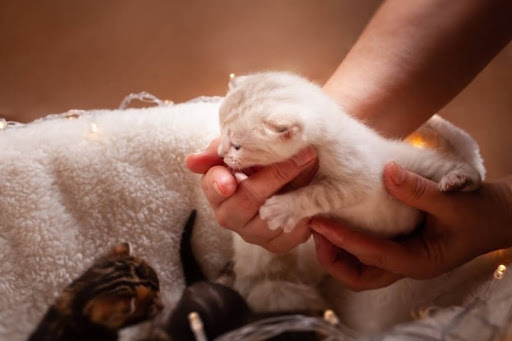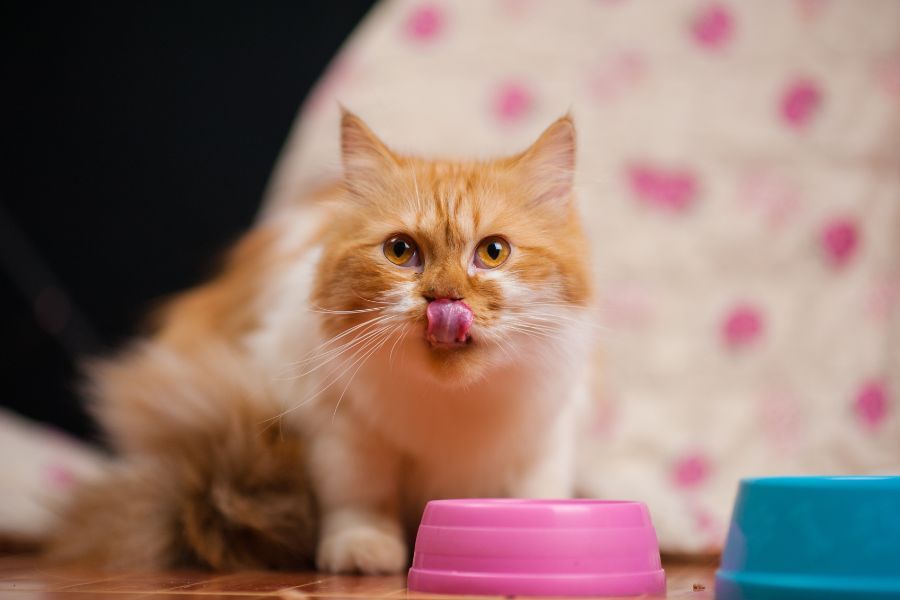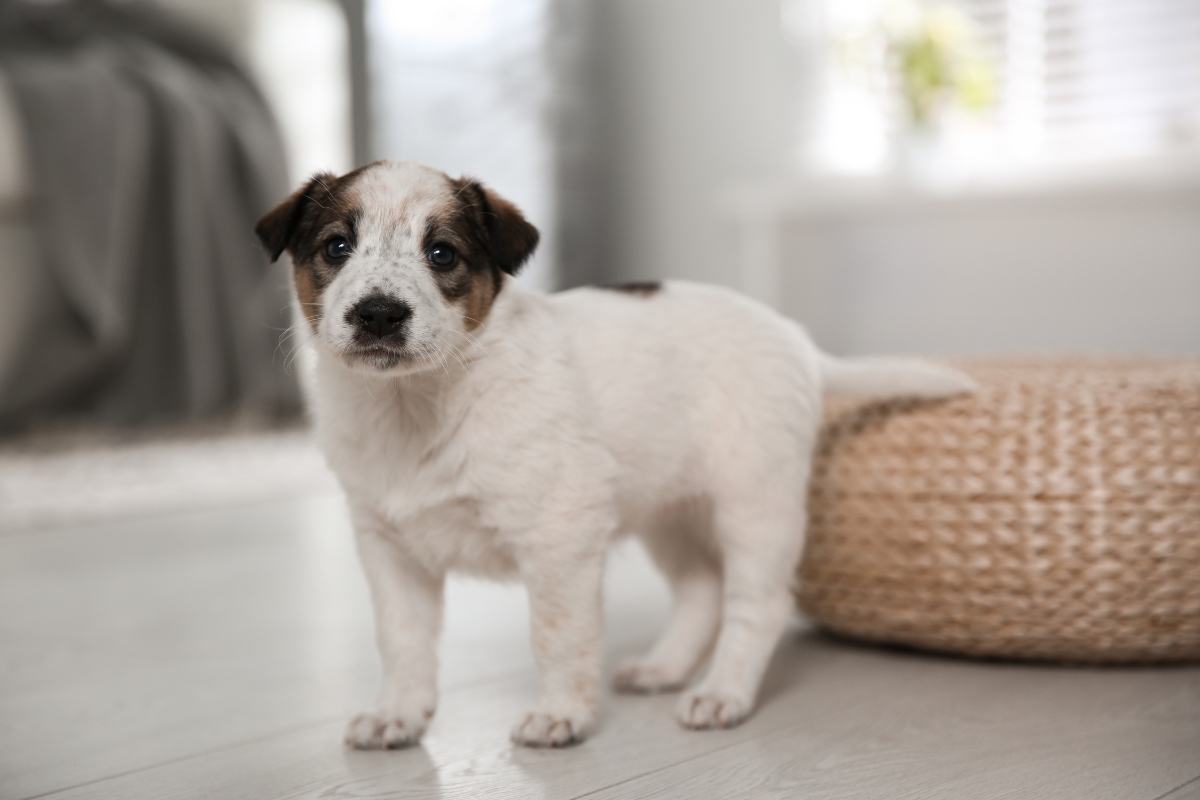
Bringing home a puppy or kitten is exciting, but everyday household items can pose unexpected dangers. Young pets are naturally curious. They explore their surroundings by chewing, climbing, scratching, and squeezing into small spaces. Electrical cords, cleaning products, certain houseplants, and small objects can quickly become safety hazards.
Preparing your home before your new companion arrives can prevent injuries and make the transition easier. For pet owners in Asheville, understanding common household risks is an important part of responsible pet ownership. This guide explains how to puppy-proof and kitten-proof your home, create safe spaces, and recognize situations that require veterinary attention.
Why Is Puppy-Proofing and Kitten-Proofing Important?
Puppies and kittens explore their surroundings differently. Puppies frequently investigate objects with their mouths, while kittens enjoy climbing and hiding in small spaces.
Without proper precautions, young pets may experience:
- Accidental poisoning: Exposure to medications, cleaning products, or toxic plants.
- Choking hazards: Swallowing small toys, buttons, or household objects.
- Electrical injuries: Chewing exposed cords or electrical wires.
- Falls and injuries: Climbing unstable furniture or accessing dangerous heights.
- Digestive blockages: Swallowing socks, string, plastic, or other nonfood materials.
Identifying these hazards early allows your pet to explore their surroundings more safely.
How to Puppy-Proof Your Home Before Bringing Your Dog Home
Puppies are playful and frequently chew unfamiliar objects, especially during teething. Preparing your home means removing potential hazards before your puppy discovers them.
Secure Electrical Cords and Small Objects
Chewing electrical cords can cause serious burns or electrical injuries.
To reduce these risks:
- Cover exposed electrical wires.
- Keep chargers and power strips out of reach.
- Remove coins, batteries, and small decorations.
- Store children’s toys in closed containers.
- Keep shoes, socks, and other chewable objects off the floor.
Inspect areas beneath furniture and around electrical equipment regularly.
Store Household Chemicals and Medications Safely
Cleaning products, detergents, pest-control chemicals, and human medications can be toxic to dogs. Keep these products inside locked cabinets or secure storage areas. Never leave medication bottles on countertops or bedside tables. Remember that child-resistant packaging does not guarantee protection against curious puppies.
Create a Comfortable Puppy Space
A designated resting area helps your puppy feel secure while limiting access to dangerous objects.
Consider providing:
- A properly sized crate or puppy playpen.
- Comfortable, durable bedding.
- Fresh drinking water.
- Age-appropriate chew toys.
- A quiet location away from excessive noise.
Introduce the space gradually using positive reinforcement. Avoid using crates as punishment.
How to Kitten-Proof Your Home and Prevent Injuries
Kittens are natural climbers and can squeeze into surprisingly small spaces. Their curiosity makes certain household areas particularly dangerous.
Secure Windows and Elevated Furniture
Kittens enjoy climbing furniture and watching outdoor activity through windows. However, unsecured windows and unstable furniture can cause serious injuries.
Before allowing your kitten to explore:
- Install secure, pet-resistant window screens.
- Keep balconies inaccessible unless fully enclosed.
- Stabilize bookshelves and tall furniture.
- Remove fragile objects from elevated surfaces.
- Secure dangling blind cords.
Providing stable cat trees can encourage safer climbing behavior.
Remove Toxic Plants and Decorations
Some common houseplants can be harmful to cats. True lilies and daylilies are especially dangerous because even small exposures can cause severe kidney injury.
Other plants, including pothos and philodendrons, may irritate the mouth and digestive system. Check whether plants are safe before bringing them indoors.
Keep ribbons, thread, yarn, and string away from unsupervised kittens. Swallowing these materials can cause intestinal injuries.
Inspect Small Hiding Spaces
Kittens often hide behind appliances, beneath furniture, or inside cabinets.
Check areas such as:
- Behind refrigerators and washing machines.
- Inside reclining furniture.
- Beneath beds and cabinets.
- Around heating equipment.
- Inside laundry baskets and appliances.
Always check washing machines and dryers before operating them.
Which Household Items Are Dangerous for Puppies and Kittens?
Some household hazards affect both puppies and kittens, although their reactions may differ.
Human Foods
Certain foods can cause serious health problems in pets.
Examples include:
- Chocolate and caffeine-containing products.
- Grapes and raisins, which can cause kidney injury in dogs.
- Onions and garlic.
- Alcohol.
- Xylitol, which is highly toxic to dogs.
Avoid sharing unfamiliar human foods with young pets without confirming their safety.
Trash and Food Packaging
Trash containers may contain spoiled food, sharp objects, bones, and plastic packaging. Use secure lids and prevent pets from accessing household garbage.
Bathroom and Laundry Products
Detergent pods, medications, dental floss, and personal care products can cause injuries or poisoning. Keep these items securely stored. If your pet swallows a potentially dangerous substance, contact a veterinarian immediately.
How Can You Create Safe Feeding and Sleeping Areas?
A safe environment also includes appropriate nutrition, comfortable sleeping arrangements, and suitable toys.
Establish a Feeding Area
Choose sturdy bowls that are easy to clean. Provide an age-appropriate puppy or kitten diet and follow your veterinarian’s feeding recommendations. Keep food and water away from cleaning supplies and other household chemicals.
Provide a Quiet Sleeping Space
Young pets require plenty of uninterrupted sleep for healthy development. Place their bedding in a comfortable area away from exposed cords, heating equipment, and unstable furniture.
Choose Safe Toys
Select toys appropriate for your pet’s age, size, and chewing behavior. Inspect toys regularly for broken pieces, loose stitching, or damaged materials. Remove damaged toys to reduce choking and swallowing risks.
How Can Asheville Pet Owners Make Outdoor Areas Safer?
Outdoor environments introduce additional hazards that pet owners should consider. For puppies, inspect fences for gaps, damaged sections, and possible escape routes. Remove gardening tools, chemicals, and toxic plants.
Kittens are generally safer indoors than when allowed to roam outdoors without supervision. A secure catio or supervised harness training can provide controlled outdoor experiences.
Asheville pet owners should also consider exposure to ticks, fleas, wildlife, and other outdoor hazards. Ask your veterinarian about age-appropriate parasite prevention before introducing your pet to outdoor environments.
Why Is Early Veterinary Care Important for Puppies and Kittens?
Home safety precautions are important, but they cannot replace veterinary examinations. Young animals are still developing their immune systems and may have health concerns that are not immediately noticeable.
Early puppy & kitten care helps monitor development and establish preventive health routines.
During an initial veterinary appointment, our vets can discuss:
- Physical examinations: Assessing overall health and identifying potential concerns.
- Vaccinations: Reviewing records and planning age-appropriate immunizations.
- Parasite prevention: Discussing testing, treatment, and preventive medications.
- Nutrition: Reviewing feeding schedules and dietary requirements.
- Behavior: Addressing socialization, training, and adjustment concerns.
Regular visits also allow our veterinary team to monitor changes as your pet grows.
When Should You Contact a Veterinarian After a Household Accident?
Even carefully prepared homes cannot eliminate every risk.
Seek immediate veterinary guidance if your puppy or kitten:
- Swallows medication, chemicals, string, or another dangerous object.
- Experiences difficulty breathing.
- Develops repeated vomiting or severe diarrhea.
- Has seizures or suddenly collapses.
- Suffers a serious fall or injury.
- Shows severe pain or unusual weakness.
Never induce vomiting or administer human medication unless specifically instructed by a veterinarian.
Prompt veterinary attention can reduce the risk of complications.
How Does Preventive Veterinary Care Support Long-Term Health?
Your pet’s needs change as they grow. Nutrition, vaccinations, parasite prevention, and behavioral development all require ongoing attention. Regular veterinary examinations help monitor these changes and identify potential concerns.
Our approach to puppy & kitten care includes reviewing preventive health needs, discussing development, and answering everyday care questions. Combining home safety practices with veterinary guidance helps establish healthy habits during your pet’s early months.
Give Your New Pet a Safer, Healthier Beginning
Puppy-proofing and kitten-proofing your home helps protect your new companion from preventable injuries. Removing dangerous objects, creating comfortable spaces, and monitoring their surroundings can make their early months safer. Regular veterinary visits also support healthy development and help address potential concerns.
At Haw Creek Animal Hospital, our veterinary team helps Asheville pet owners navigate the important first stages of raising puppies and kittens. From initial examinations to vaccinations, parasite prevention, and everyday health guidance, we’re here to support your pet’s well-being.
Ready to give your new companion a healthy start? Contact our veterinary practice today to schedule an appointment. Our vets are here to answer your questions and help your puppy or kitten begin life with the care they need.
Frequently Asked Questions
Q1. When should I start puppy-proofing or kitten-proofing my home?
Ans. Start before bringing your pet home. Secure electrical cords, remove toxic substances, inspect hiding spaces, and prepare a comfortable resting area.
Q2. Which room is most dangerous for puppies and kittens?
Ans. Kitchens, bathrooms, laundry rooms, and garages often contain multiple hazards. However, any room can become dangerous if small objects, electrical cords, or toxic products remain accessible.
Q3. Can I leave my puppy or kitten alone in a pet-proofed room?
Ans. A secure room can reduce risks during short periods without supervision. However, young pets still require frequent monitoring, feeding, bathroom breaks, and social interaction.
Q4. Where can I schedule my puppy’s first veterinary examination in Asheville?
Ans. You can schedule an initial examination at Haw Creek Animal Hospital. Our vets can assess your puppy’s health and discuss vaccinations, parasite prevention, nutrition, and early development.
Q5. Can Haw Creek Animal Hospital help me prepare for a new kitten in Asheville?
Ans. Yes. Haw Creek Animal Hospital can help Asheville pet owners understand kitten vaccinations, nutrition, parasite prevention, and common developmental concerns.
Q6. What should I do if my puppy or kitten becomes sick in Asheville?
Ans. Contact Haw Creek Animal Hospital for veterinary guidance if your pet develops vomiting, diarrhea, appetite changes, or unusual behavior. Severe symptoms, suspected poisoning, or breathing difficulties require immediate veterinary attention.