


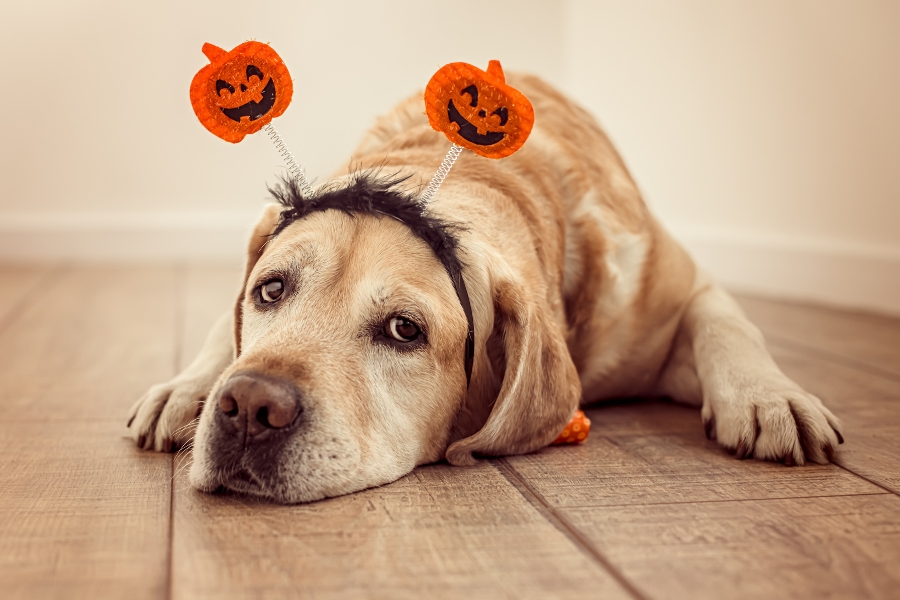
Halloween brings excitement, candy, costumes, and creative décor. However, it also introduces a range of hazards for our beloved pets. Whether you have a curious cat, a festive dog, or a small pocket pet, taking proactive steps helps ensure they stay safe and calm throughout the spooky celebrations. In this article, you’ll discover simple, effective strategies to protect your pets this Halloween — with peace of mind and plenty of fun.
1. Establish a safe, quiet space
First, designate a calm area in your home where your pet can retreat. Even though you might enjoy the doorbell ringing, visitors in costumes, and spooky sounds, your pet may feel stressed or overwhelmed. For example, set up a bedroom or laundry room away from the front door traffic. Provide their favorite bed, a few toys, and maybe a radio or white noise machine to reduce external stimuli. Consequently, your pet gets a refuge while the festivities happen outside.
2. Keep candy, decorations, and plants out of reach
Next, focus on potential hazards. Many Halloween treats, decorations, and seasonal plants pose risks to pets. Chocolate, xylitol-sweetened candy, raisins, and certain nuts can cause serious pet illnesses. Moreover, decorations like string lights, plastic pumpkins, or wires may look like toys to a curious paw. Be sure to secure them and keep them far from tails and whiskers. Also, avoid having toxic plants such as autumn crocus, lilies, or chrysanthemums where your pet can access them, because ingestion can cause severe reactions.
3. Be mindful of costumes and sensory overload
Additionally, costumes and excessive stimulation can impact your pet’s comfort. If you dress your pet in a costume, choose one that fits properly, doesn’t restrict movement, and lacks small dangling pieces that might be swallowed. Watch for signs of distress: panting, whining, or trying to remove the outfit. If your pet refuses the costume or seems uneasy, skip it. Furthermore, treat arrival, jack-o-lantern candles, loud music, and strangers at the door as additional stressors. Stay close to your pet during trick-or-treat hours and monitor their behavior. Offer treats, praise, or a toy to keep them engaged.
4. Use lighting and visibility when outside
If you plan to walk your dog in the neighborhood, prioritize visibility and safety. Equip your pet with reflective gear or LED collars so passing cars notice you. Keep them on a short leash to avoid accidents when trick-or-treaters dart across the street. Walk during lower pedestrian traffic times if possible. On top of that, avoid costumes that impair vision or hearing for your pet, as they need full awareness in a busy environment.
5. Protect the front door and greeting zone
Meanwhile, the front entrance becomes a hotspot for pet stress. Constant knocks, doorbell rings, and unusual noises can trigger anxiety or escape attempts. To prevent mishaps, keep pets in a separate room with the door shut during peak trick-or-treat hours. You might add a “Do not disturb” sign for visitors or disable the doorbell if possible. Also, supervise when answering the door so the excited front-yard activity doesn’t lure your pet outside unexpectedly.
6. Keep pets leashed or indoors when strangers and fireworks appear
Evenings can escalate unexpectedly with fireworks or neighborhood parties. Animals often respond poorly to loud bangs and unfamiliar gatherings. Therefore, it’s best to keep your pet indoors and in their safe space when you anticipate celebrations. For dogs sensitive to fireworks, play soothing music, draw the blinds, and keep them engaged with chew toys or treats. Remember: a calm pet in a controlled environment translates to fewer surprises and a happier holiday.
7. Identify and verify pet-approved treats and games
Don’t forget to treat your pet. Choose pet-safe snacks or interactive games that exclude taboo items like chocolate or artificial sweeteners. Pumpkin puree (unsweetened) and plain cooked turkey can serve as holiday treats. For a fun activity, create a “find the toy” game in the safe zone to keep them occupied while you welcome guests. Such positive engagement reduces stress and channels energy constructively.
8. Review ID tags and microchip details
Before the festivities begin, double-check that your pet’s ID tags and microchip information are current. Crowds, chaos, and excitement raise the risk of accidental escape or theft. If your dog slips past the gate or your cat darts out the door, an updated tag or microchip greatly increases their chances of being found and returned safely.
9. Educate guests and monitor kids around pets
Guests and trick-or-treaters often interact with pets, sometimes in ways that stress the animal. Remind visitors to approach calmly, avoid sudden loud noises, and refrain from overwhelming the pet with attention. If children are present, supervise interactions to ensure pets have the space they need. A stressed pet might lash out or hide, so respecting boundaries is key.
10. Establish an exit plan for emergencies
Finally, despite all precautions, an incident may occur — whether it’s ingesting something harmful or a pet escape. Have your emergency contact list ready: your regular veterinarian, an emergency veterinary clinic, and poison control for pets. Post this list in a visible location and keep it on your phone. Also, know where to safely transport your pet if needed. Preparation ensures a prompt response and peace of mind.
By following these simple strategies, you actively protect your pets and ensure they enjoy Halloween alongside your family. You have created a safe retreat, controlled hazards, and kept the celebration fun for all. Should you notice any unusual behavior, ingestion of dangerous items, or extreme anxiety in your pet, don’t hesitate to contact your veterinarian. Your proactive care makes all the difference in making this holiday safe and enjoyable for your furry companions.

