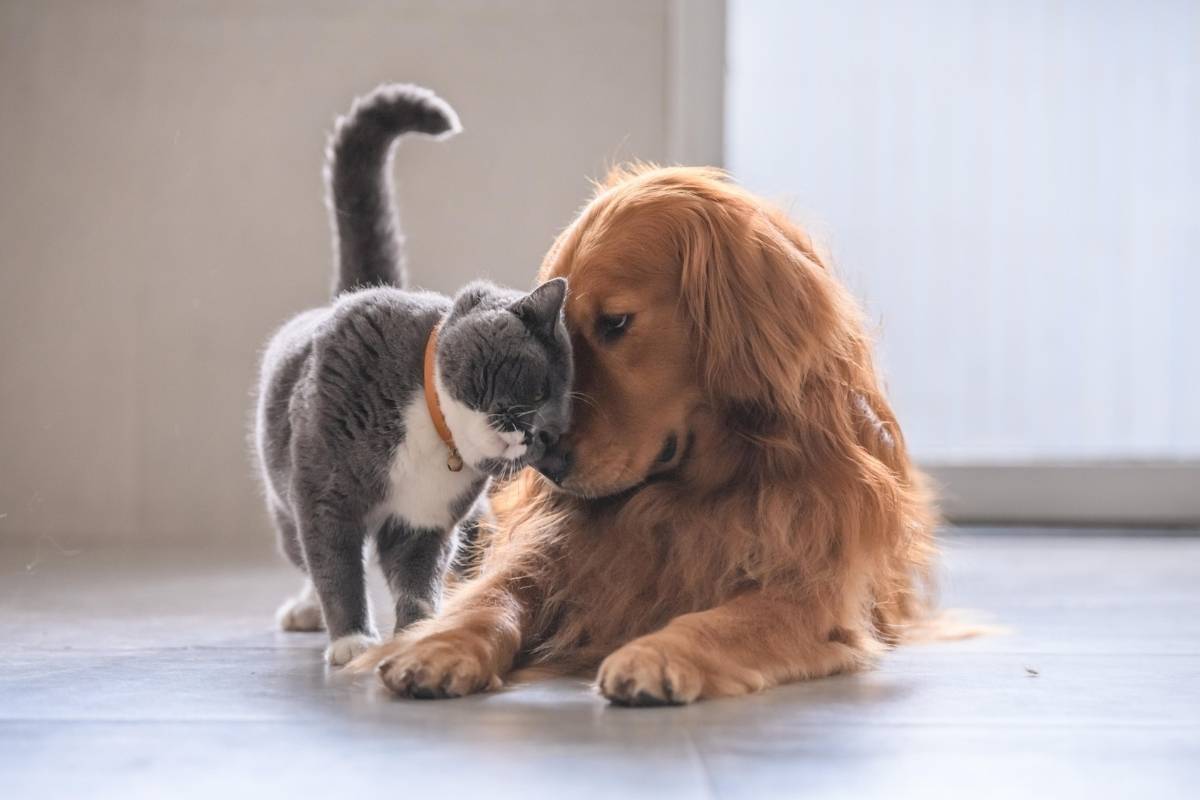
When a pet suddenly becomes ill or suffers an unexpected injury, timely veterinary attention can make a significant difference in their recovery. Delaying treatment may allow certain conditions to worsen, increasing the risk of complications and prolonging the healing process. Seeking prompt medical care gives veterinarians the opportunity to diagnose problems early, begin appropriate treatment, and help pets return to their normal routines as quickly and safely as possible.
Whether your pet has developed vomiting, diarrhea, a wound, limping, or another concerning symptom, receiving prompt care can improve comfort and reduce unnecessary suffering. At Haw Creek Animal Hospital, our experienced veterinary team is committed to helping pets receive timely medical attention when they need it most.
If you live in Asheville, NC, or nearby communities, knowing when to seek veterinary care can help protect your pet’s health and improve recovery outcomes.
Why Prompt Veterinary Care Matters
Many illnesses and injuries progress over time. What may begin as a mild problem can quickly become more serious if left untreated.
Early veterinary evaluation allows your veterinarian to:
- Identify the underlying cause
- Begin treatment before complications develop
- Reduce pain and discomfort
- Prevent worsening illness
- Improve the chances of a successful recovery
Receiving care early often results in less extensive treatment and a smoother healing process.
Conditions That Benefit from Timely Care
Numerous medical conditions respond better when treated promptly.
These include:
- Vomiting or diarrhea lasting more than a few hours
- Cuts or wounds
- Bite injuries
- Limping or sudden lameness
- Eye injuries
- Ear infections
- Allergic reactions
- Skin infections
- Urinary problems
- Sudden loss of appetite
Even when symptoms appear mild, they may indicate a more significant health issue that requires professional evaluation.
Early Diagnosis Supports Better Outcomes
Veterinarians use physical examinations and diagnostic testing to identify illnesses before they progress.
Depending on your pet’s symptoms, your veterinarian may recommend:
- Blood work
- Urinalysis
- Fecal testing
- Digital X-rays
- Ultrasound
- Cytology
- Blood pressure monitoring
Finding the cause early allows treatment to begin before additional body systems are affected.
Pain Management Promotes Healing
Pain can slow recovery and negatively affect your pet’s quality of life.
Pets experiencing discomfort may:
- Refuse food
- Sleep excessively
- Become withdrawn
- Resist movement
- Heal more slowly
Veterinarians can prescribe safe pain management plans based on your pet’s condition, helping them stay comfortable while recovering.
Preventing Minor Problems from Becoming Major Ones
Many pet owners hope symptoms will improve on their own. While this occasionally happens, waiting too long can allow diseases to become more advanced.
Examples include:
- Small wounds becoming infected
- Mild limping progressing to more serious injuries
- Ear infections spreading deeper into the ear
- Gastrointestinal upset leading to dehydration
- Urinary issues becoming increasingly painful
Prompt treatment often helps prevent longer recovery periods.
The Role of Diagnostic Testing
Modern veterinary diagnostics provide valuable information that cannot be determined through observation alone.
Diagnostic testing helps veterinarians:
- Confirm a diagnosis
- Rule out serious diseases
- Monitor organ function
- Detect infections
- Develop an appropriate treatment plan
Accurate diagnosis leads to more effective treatment and better recovery.
How Treatment Begins Quickly
Once the cause of your pet’s illness or injury has been identified, treatment can often begin immediately.
Treatment may include:
- Fluid therapy
- Prescription medications
- Wound care
- Bandaging
- Nutritional support
- Anti-nausea medication
- Pain relief
- Minor procedures when necessary
Starting treatment promptly helps reduce discomfort and supports the body’s natural healing process.
Monitoring Recovery Is Just as Important
Successful recovery doesn’t end after the initial visit.
Your veterinarian may recommend:
- Follow-up examinations
- Medication adjustments
- Activity restrictions
- Home care instructions
- Nutritional recommendations
Following these instructions carefully helps ensure your pet continues improving.
Signs Your Pet Should Be Seen Promptly
Contact your veterinarian if your pet experiences:
- Persistent vomiting
- Ongoing diarrhea
- Difficulty walking
- Sudden weakness
- Difficulty breathing
- Blood in urine or stool
- Loss of appetite
- Swollen abdomen
- Excessive bleeding
- Seizures
- Eye injuries
- Continuous crying or signs of pain
Ignoring these symptoms can delay treatment and make recovery more difficult.
Supporting Recovery at Home
Home care plays an important role after veterinary treatment.
Help your pet recover by:
- Administering medications exactly as prescribed
- Providing fresh water at all times
- Offering veterinarian-approved food
- Limiting strenuous activity
- Keeping wounds clean
- Preventing licking or chewing of affected areas
- Monitoring symptoms closely
If your pet’s condition changes, contact your veterinarian promptly.
The Importance of Urgent Pet Care
Certain illnesses and injuries require evaluation sooner rather than later. Access to urgent pet care allows veterinarians to diagnose and treat many non-routine medical concerns before they become more severe.
Prompt medical attention often reduces recovery time, minimizes discomfort, and helps pets return to their normal activities more quickly.
Prevention Still Plays an Important Role
Although not every illness can be prevented, routine wellness care helps reduce the likelihood of many medical problems.
Preventive healthcare includes:
- Annual wellness exams
- Vaccinations
- Parasite prevention
- Dental care
- Balanced nutrition
- Weight management
- Regular exercise
Healthy pets are often better equipped to recover from illness or injury.
Helping Your Pet Heal with Timely Veterinary Care
Prompt veterinary attention can significantly improve your pet’s comfort, reduce complications, and support a faster recovery. Recognizing concerning symptoms early and seeking professional care allows veterinarians to diagnose problems sooner and begin appropriate treatment before conditions worsen.
If you’re in Asheville, NC, and your pet develops concerning symptoms that shouldn’t wait, contact Haw Creek Animal Hospital at 828-298-1678. Our compassionate team is here to provide the care your pet needs and help them recover as safely and comfortably as possible.
Frequently Asked Questions
Q1. How does prompt veterinary care help pets recover faster?
Ans. Early diagnosis and treatment help prevent conditions from worsening, reduce complications, relieve pain, and support faster healing.
Q2. What symptoms should prompt me to contact a veterinarian right away?
Ans. Persistent vomiting, diarrhea, difficulty breathing, sudden weakness, limping, wounds, urinary problems, seizures, or significant pain should all be evaluated promptly.
Q3. Can delaying treatment make recovery longer?
Ans. Yes. Waiting to seek veterinary care may allow illnesses or injuries to progress, leading to more extensive treatment and a longer recovery period.
Q4. What happens during an urgent veterinary visit?
Ans. Your veterinarian will perform a physical examination, discuss your pet’s symptoms, and may recommend diagnostic tests such as blood work or X-rays before creating a treatment plan.
Q5. Does every illness require urgent pet care?
Ans. Not every illness requires immediate attention, but many sudden or worsening symptoms should be evaluated promptly to help prevent complications and support recovery.
Q6. How can I help my pet recover after treatment?
Ans. Follow all medication instructions, provide a quiet recovery space, limit activity if advised, monitor your pet closely, and attend any recommended follow-up appointments.