


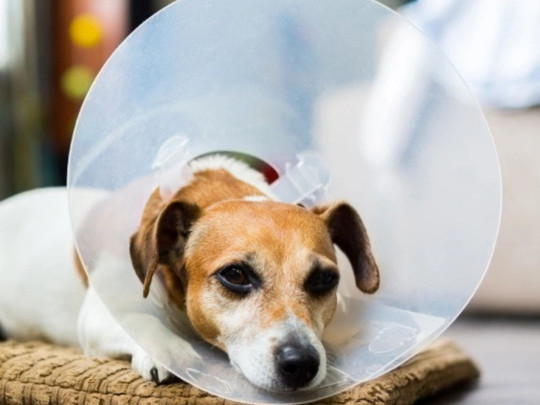
When your beloved dog undergoes surgery, it’s natural to wonder, How long will it take for them to recover? The recovery period can vary widely depending on the type of surgery, your dog’s age, overall health, and how well you follow post-operative care instructions. In this guide, we will break down what to expect during your dog’s recovery, how to support their healing, and common signs to watch for along the way.
Understanding the Recovery Timeline
Firstly, it’s important to recognize that recovery timelines differ depending on the nature of the surgery. For example, minor procedures like dental cleanings or spaying/neutering often require a shorter recovery period—typically between 7 to 14 days. On the other hand, major surgeries such as orthopedic repairs or tumor removals can take several weeks or even months for full recovery.
Most veterinarians will provide a recovery estimate based on your dog’s specific case. However, you can generally expect three stages of recovery:
- Immediate Post-Surgery Phase (First 24-72 hours):
This initial phase focuses on pain management, wound care, and preventing infection. Your dog may feel groggy from anesthesia, and it’s critical to limit their activity during this time. - Early Healing Phase (First 2 weeks):
During this stage, the body begins repairing tissues and healing incisions. Swelling and discomfort might persist, so follow-up vet visits are usually scheduled. Most dogs start to regain energy gradually. - Long-Term Recovery Phase (Weeks to Months):
Depending on the surgery’s complexity, your dog’s activity will slowly increase. Physical therapy or restricted movement may be necessary to ensure proper healing, especially for orthopedic cases.
Factors Affecting Recovery Time
Recovery time doesn’t depend solely on the surgery type. Several other factors influence how quickly your dog bounces back.
- Age: Older dogs typically heal more slowly than younger ones due to decreased cellular regeneration.
- Breed: Certain breeds may be more prone to complications or slower healing.
- Overall Health: Dogs with underlying health issues such as diabetes or obesity may take longer to recover.
- Post-Operative Care: Proper wound care, medication administration, and controlled activity significantly impact recovery speed.
How to Help Your Dog Recover Faster
You play a critical role in your dog’s post-surgical recovery. Here are several ways to help them heal efficiently:
- Follow Vet Instructions Carefully: Administer medications on schedule, attend follow-up appointments, and adhere to dietary guidelines.
- Limit Physical Activity: Prevent jumping, running, or rough play until your vet clears your dog. Using a crate or confined space can help.
- Manage Pain Effectively: Watch for signs of pain like whining, lethargy, or loss of appetite, and communicate concerns with your vet.
- Maintain Cleanliness: Keep the surgical site clean and dry to avoid infection. Prevent licking by using an Elizabethan collar if recommended.
- Provide Comfort: Ensure a warm, quiet, and comfortable resting area to reduce stress during healing.
- Monitor Behavior and Incision Site: Check for swelling, redness, discharge, or unusual behavior changes and report them immediately.
When to Contact Your Veterinarian
Although some discomfort and lethargy are expected, certain symptoms require immediate attention. Contact your vet if your dog experiences:
- Persistent vomiting or diarrhea
- Excessive bleeding or swelling at the surgery site
- Signs of infection, such as foul odor or discharge
- Difficulty breathing or extreme lethargy
- Refusal to eat or drink for more than 24 hours
- Excessive pain despite medication
In summary, the recovery time after dog surgery varies based on the type of procedure, your dog’s health, and post-operative care. Typically, minor surgeries require around 10 to 14 days for healing, whereas more complex operations may need 6 to 8 weeks or more. Most importantly, consistent care and monitoring will ensure your dog heals safely and comfortably.
If you’re searching for reliable care and expert advice about dog surgery in Asheville, NC, look no further than Haw Creek Animal Hospital. Our veterinary team provides comprehensive post-surgical care tailored to your dog’s unique needs, helping your furry friend get back to a happy, healthy life.
Frequently Asked Questions (FAQs)
Q1. How soon can my dog eat after surgery?
Ans. Most dogs can eat a small meal a few hours after surgery once they are fully awake. However, follow your veterinarian’s specific instructions regarding feeding times.
Q2. Is it normal for my dog to limp after surgery?
Ans. Yes, limping or favoring a leg is common after orthopedic surgery. It usually improves as healing progresses, but persistent limping should be evaluated by your vet.
Q3. Can I give my dog human pain medication after surgery?
Ans. No. Never give human medications to your dog unless prescribed by a veterinarian, as many can be toxic.
Q4. How do I know if the surgical wound is infected?
Ans. Signs of infection include redness, swelling, pus, foul odor, and excessive warmth around the incision. Contact your vet if you notice these symptoms.
Q5. When can my dog resume normal activities?
Ans. Your vet will guide you, but typically, normal activities resume gradually after the wound heals—often after 10-14 days for minor surgeries and up to 6-8 weeks for major procedures.
Q6. Should I bathe my dog after surgery?
Avoid bathing your dog until the incision is fully healed and your veterinarian gives the okay, as moisture can increase infection risk.

