


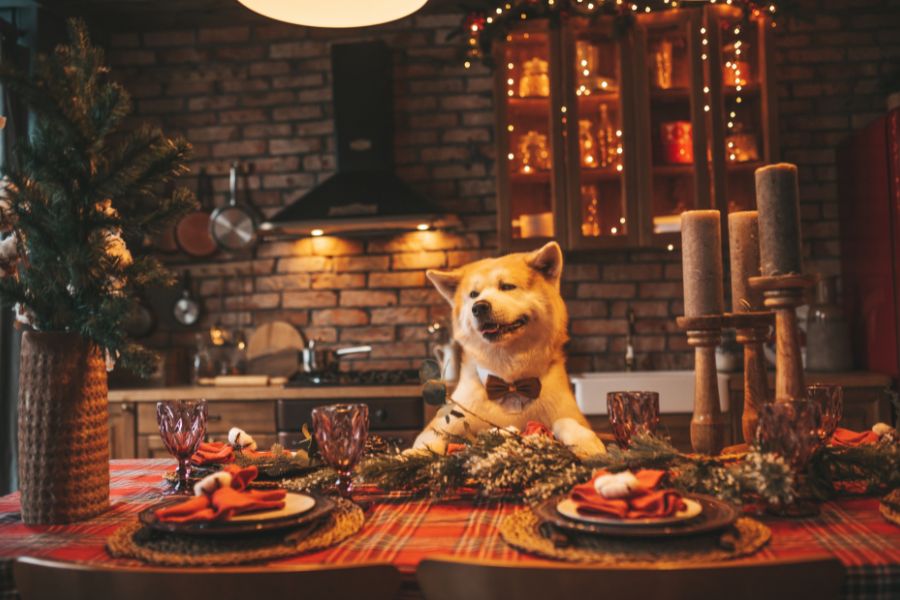
The holiday season is a time for celebrations, joy, and indulgence. However, while you’re enjoying festive meals with your family, it’s important to remember that certain foods can be harmful to your pets. As much as we love sharing the holiday spirit with our furry companions, some treats that are delicious for us can be dangerous for them. To help you keep your pet safe this Christmas, we’ve outlined a list of foods that can cause harm and how to prevent potential accidents.
1. Chocolate: A Christmas Favorite But a Pet Danger
Chocolate is a classic Christmas treat, whether it’s in the form of hot cocoa, cakes, or desserts. However, chocolate is toxic to pets, especially dogs. It contains theobromine, a stimulant that pets cannot metabolize effectively. Even small amounts of chocolate can cause symptoms like vomiting, diarrhea, increased heart rate, and seizures. Dark chocolate and baking chocolate are particularly dangerous, as they contain higher concentrations of theobromine.
To keep your pet safe, make sure all chocolate is out of reach, and remind guests not to share any chocolate treats with your pets. If you suspect your pet has eaten chocolate, contact our veterinary hospital immediately for advice and treatment.
2. Grapes and Raisins: A Hidden Danger in Holiday Sweets
Grapes and raisins, commonly found in fruitcakes, cookies, and holiday snack mixes, are extremely toxic to dogs. The exact substance that causes toxicity is still unknown, but even small amounts can cause kidney failure in dogs. Symptoms of poisoning include vomiting, lethargy, loss of appetite, and abdominal pain.
While some pets may not react immediately, it’s crucial to keep raisins and grapes far away from pets, especially during the holiday season when these treats are abundant.
3. Onions and Garlic: Seasonal Flavorings to Avoid
Onions and garlic, commonly used in holiday cooking, are harmful to both dogs and cats. These ingredients contain compounds that can damage red blood cells, leading to a condition called hemolytic anemia. Symptoms may include weakness, lethargy, and pale gums.
While it’s unlikely your pet would eat a whole onion or garlic bulb, be mindful of any leftover food containing these ingredients. For example, mashed potatoes, stuffing, or soups may contain onions or garlic, so it’s important to keep these dishes away from your pets.
4. Alcohol: Keep Spirits Away from Pets
Alcoholic beverages might be a holiday tradition for you, but they pose serious risks for pets. Even small amounts of alcohol can cause vomiting, diarrhea, difficulty breathing, and, in extreme cases, death. Pets are more sensitive to alcohol than humans, so it’s important to keep all alcoholic drinks, including wine, beer, and cocktails, well out of reach of your pets.
If you believe your pet has ingested alcohol, contact our veterinary hospital right away. Treatment should be immediate to prevent life-threatening consequences.
5. Nuts: A Crunchy Christmas Hazard
Certain nuts, such as macadamia nuts, are highly toxic to dogs. Eating even a small amount can cause symptoms like weakness, tremors, and elevated body temperature. Other nuts, including walnuts and almonds, can cause digestive upset or even lead to blockages if ingested in large quantities.
It’s a good idea to keep nuts and nut-based treats, like holiday nut mixes, safely stored where your pet can’t get to them. If your pet consumes nuts, especially macadamia nuts, contact your veterinarian for guidance.
6. Xylitol: The Hidden Sweetener in Holiday Treats
Xylitol is a sugar substitute commonly found in sugar-free gum, candy, baked goods, and even peanut butter. While it’s safe for humans, it’s extremely toxic to dogs. Ingesting xylitol can cause a dangerous drop in blood sugar, leading to seizures, liver failure, and even death.
Before sharing any sweet treats with your pet, check the ingredients list carefully to ensure they do not contain xylitol. Be especially cautious with items like sugar-free cakes or candies.
7. Fatty Foods: The Danger of Too Much Grease
Holiday meals are often loaded with rich, fatty foods like gravy, ham, and turkey skin. While your pet may beg for table scraps, feeding them fatty foods can lead to gastrointestinal issues like pancreatitis, a painful condition that causes inflammation of the pancreas. Symptoms include vomiting, diarrhea, and abdominal pain.
To avoid a trip to the emergency vet, refrain from feeding your pet table scraps or fatty leftovers. Instead, stick to their regular pet food to ensure they stay healthy and happy during the holidays.
The holiday season should be a time of joy, but it’s crucial to remember that your pet’s health and safety are top priorities. By keeping these harmful foods out of your pet’s reach and ensuring they stick to their regular diet, you can avoid unnecessary trips to the vet.
If you’re concerned that your pet may have ingested something harmful, don’t hesitate to contact our veterinary hospital for advice. Our team at Haw Creek Animal Hospital in Asheville, NC, is here to help you keep your pets safe and healthy throughout the Christmas season and beyond.
FAQs
Q1. What should I do if my pet eats chocolate?
Ans. If your pet eats chocolate, contact a veterinarian immediately. The amount of chocolate ingested and the type of chocolate (dark or milk) will determine the necessary treatment.
Q2. Can raisins be harmful to cats?
Ans. Yes, raisins are toxic to cats and can cause kidney failure, similar to dogs. Keep all raisins out of your pet’s reach.
Q3. Are macadamia nuts toxic to dogs?
Ans. Yes, macadamia nuts are highly toxic to dogs and can cause symptoms like weakness, tremors, and a rise in body temperature.
Q4. Can my pet eat fruitcake?
Ans. Fruitcake often contains raisins, alcohol, and other harmful ingredients for pets. It’s best to keep it away from them.
Q5. How can I keep my pet safe from holiday foods?
Ans. The best way to keep your pet safe is by storing holiday foods out of their reach and reminding guests not to share table scraps.
Q6. Is alcohol safe for pets?
Ans. No, alcohol is extremely toxic to pets and can cause severe health issues, including difficulty breathing and death. Keep all alcoholic beverages away from pets.

