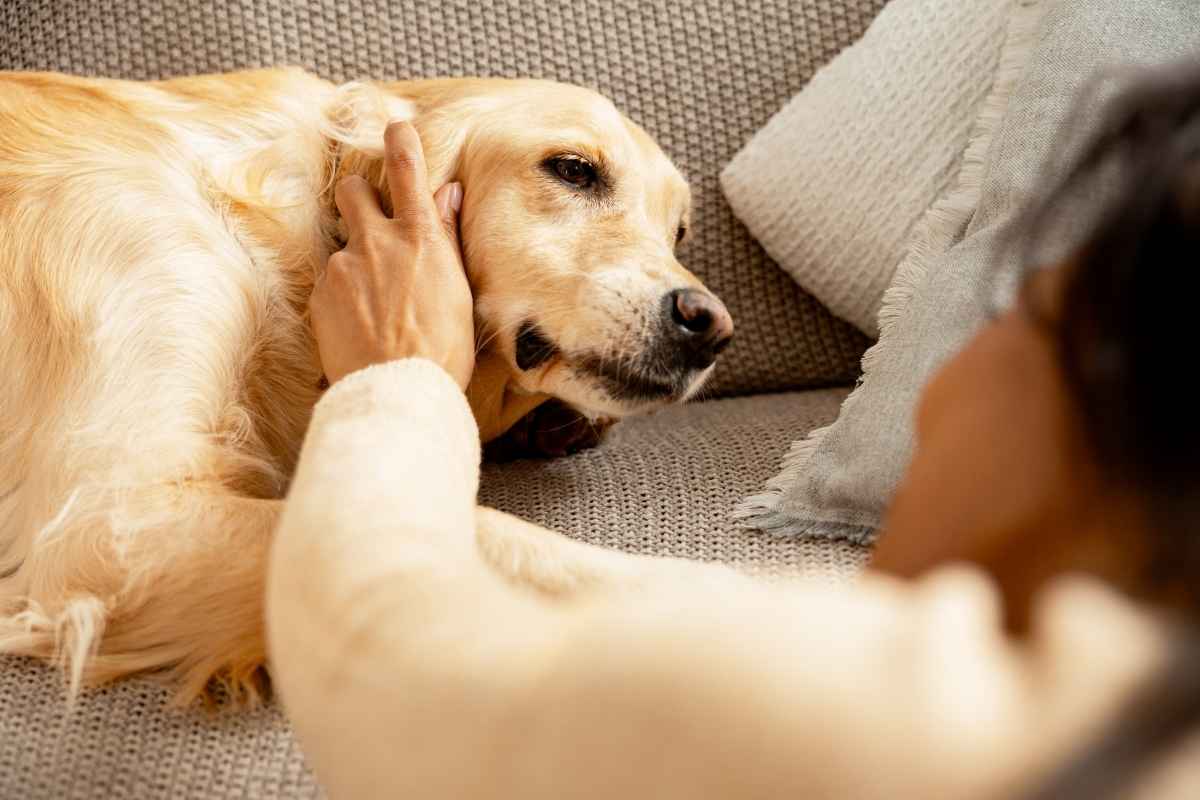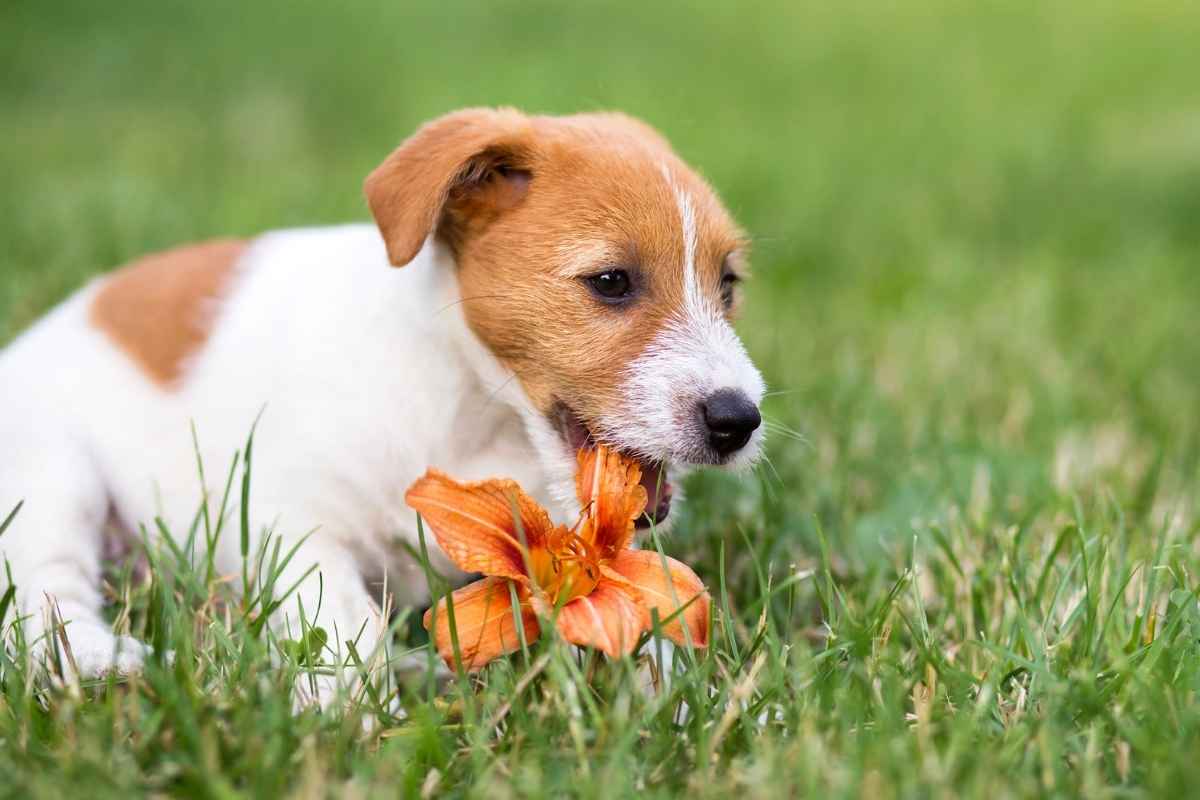
A dog sneaking a grape from the kitchen counter or eating a raisin that fell on the floor might seem harmless. However, these everyday foods can cause serious poisoning in dogs, sometimes leading to sudden kidney damage. What makes grape and raisin toxicity particularly concerning is that even a small amount may be dangerous, and a dog can appear perfectly healthy during the early stages.
Many dog owners wonder whether one grape is enough to cause harm or how quickly symptoms might develop. This guide is especially helpful for pet owners in Asheville who want to understand the warning signs of grape poisoning, what to do immediately after accidental ingestion, and how timely veterinary treatment can protect their dog’s health.
Why Are Grapes and Raisins Toxic to Dogs?
Grapes and raisins contain substances that can damage a dog’s kidneys. Research suggests that tartaric acid and its related compounds are likely responsible for this toxicity.
The difficulty is that grapes contain varying amounts of these substances, and individual dogs respond differently. One dog might eat several grapes without developing obvious problems, while another may experience severe kidney damage after eating much less.
The following foods should never be given to dogs:
- Fresh green, red, or purple grapes
- Raisins and sultanas
- Foods containing dried grapes, such as raisin bread
- Trail mixes containing raisins
- Cookies, cakes, and other baked goods containing raisins
- Zante currants, which are small dried grapes
Raisins deserve particular attention because they are dried grapes. Their smaller size makes them easy for dogs to swallow quickly, sometimes before an owner notices.
There is no reliably established safe amount of grapes or raisins for dogs.
How Quickly Do Grape Poisoning Symptoms Appear?
Symptoms of grape or raisin toxicity often begin within 6 to 24 hours after ingestion. However, some dogs may initially show no noticeable signs.
Early symptoms commonly involve the digestive system. As poisoning progresses, kidney function may become affected over the following one to three days.
Early Warning Signs of Grape Toxicity
Watch for these symptoms:
- Vomiting: Often one of the earliest signs of poisoning.
- Diarrhea: Digestive irritation may develop after ingestion.
- Loss of appetite: Your dog may refuse meals or treats.
- Unusual tiredness: A normally active dog may become withdrawn.
- Abdominal discomfort: Your dog may appear restless or react when the abdomen is touched.
- Excessive drooling: Nausea may cause increased saliva production.
These symptoms can also occur with other illnesses. However, when grape or raisin ingestion is suspected, immediate veterinary attention is necessary, even without symptoms.
Serious Symptoms Associated With Kidney Damage
As kidney function declines, additional symptoms may appear:
- Increased thirst or changes in urination
- Significant weakness or difficulty standing
- Dehydration
- Tremors or unusual movements
- Reduced urine production
- Complete inability to urinate
A dog that stops producing urine may be experiencing severe kidney failure. This is a life-threatening emergency requiring immediate hospital treatment.
What to Do Immediately After Your Dog Eats Grapes
Discovering that your dog has eaten grapes or raisins can be frightening. However, taking the right steps quickly gives your veterinarian more opportunities to prevent serious complications.
Contact a Veterinarian Immediately
Call your veterinarian or the nearest emergency veterinary hospital as soon as you suspect ingestion. Do not wait for vomiting, weakness, or other symptoms before seeking help.
Our veterinary hospital evaluates pets that have swallowed potentially harmful substances and helps owners determine the next steps. Because grape poisoning can become life-threatening, immediate emergency evaluation or referral may be necessary.
Gather Important Information About the Incident
Before speaking with the veterinarian, try to identify:
- Whether your dog ate grapes, raisins, or food containing them
- Approximately how much was consumed
- When the ingestion occurred
- Your dog’s approximate weight
- Whether any symptoms have developed
- Whether your dog has existing kidney problems
If the grapes or raisins were ingredients in packaged food, keep the packaging available.
This information helps the veterinary team assess the situation and recommend appropriate care.
Never Induce Vomiting Without Veterinary Instructions
Some owners attempt to make their dogs vomit after discovering a possible poisoning. However, inducing vomiting at home without professional guidance can cause additional complications, including aspiration of stomach contents. Do not give hydrogen peroxide, salt, medications, or homemade remedies unless a veterinarian specifically instructs you to do so.
Follow Veterinary Instructions Without Delay
Your veterinarian may recommend immediate examination, poison control consultation, or transportation to an emergency facility.
If you need urgent pet care, contact our veterinary team promptly. We can assess the information you provide and help determine whether your dog needs evaluation at our hospital or immediate care at a dedicated emergency facility.
How Veterinarians Diagnose Grape or Raisin Poisoning
Veterinarians begin by reviewing what happened, the estimated amount consumed, and any symptoms your dog is experiencing.
A physical examination helps assess hydration, abdominal discomfort, and overall health. As grape poisoning can affect kidney function, diagnostic testing may be recommended.
Blood Tests to Evaluate Kidney Function
Blood tests can measure kidney-related values, including blood urea nitrogen and creatinine. These results help veterinarians identify changes that may indicate kidney injury.
However, kidney values may remain normal shortly after ingestion. Repeat testing may therefore be necessary over the following days.
Urinalysis and Additional Monitoring
A urine sample provides information about kidney function and urine concentration. Veterinarians may also monitor electrolyte levels, hydration, blood pressure, and urine production. These findings help determine whether a dog needs continued observation, hospitalization, or additional treatment.
What Treatments Help Dogs After Grape Ingestion?
There is no specific antidote for grape or raisin poisoning. Treatment focuses on limiting toxin absorption, supporting kidney function, and monitoring for complications.
Veterinary-Induced Vomiting
If ingestion occurred recently, a veterinarian may administer medication to induce vomiting safely. Removing grapes or raisins from the stomach can reduce further exposure. Whether this treatment is appropriate depends on the dog’s condition and the circumstances surrounding ingestion.
Intravenous Fluids and Hospital Monitoring
Dogs with significant exposure or concerning findings may require hospitalization and intravenous fluids. Fluid therapy supports circulation and kidney function while veterinarians monitor hydration and urine production. Some dogs require approximately 48 hours or longer of hospital monitoring, depending on their condition.
Additional Supportive Treatment
Depending on the dog’s symptoms, treatment may include:
- Anti-nausea medications
- Correction of electrolyte abnormalities
- Repeated blood and urine testing
- Careful monitoring of urine output
- Additional treatment for complications
Dogs with severe kidney injury may require referral to a specialty hospital where advanced treatments, including dialysis, are available.
Our vets can explain the findings, discuss recommended treatment, and help owners understand when additional emergency resources are necessary.
Can Dogs Recover From Grape or Raisin Poisoning?
Recovery depends largely on how quickly treatment begins and whether kidney damage develops. Dogs evaluated and treated promptly, before kidney injury occurs, often have a favorable outlook.
However, once severe kidney failure develops, recovery becomes much less predictable. Some dogs may experience lasting kidney problems even after surviving the initial poisoning.
This is why urgent pet care matters after suspected grape or raisin ingestion. Early veterinary intervention offers an opportunity to limit exposure before serious complications develop. Never assume your dog is safe simply because they ate grapes previously without becoming sick.
How to Prevent Accidental Grape Poisoning at Home
Preventing access to grapes and raisins is the safest way to protect your dog.
Small changes in household routines can reduce accidental exposure.
- Store grapes and raisins inside closed cabinets or refrigerators.
- Keep fruit bowls away from counters your dog can reach.
- Check ingredient labels before sharing human food.
- Teach children not to feed grapes or raisins to pets.
- Dispose of food scraps in secure trash containers.
- Keep raisin-containing snacks out of backpacks and purses.
- Check outdoor areas for fallen grapes if grapevines grow nearby.
When choosing fruit treats, consider dog-safe alternatives such as small pieces of apple without seeds or core, or seedless watermelon without the rind.
Introduce new treats gradually and keep portions appropriate for your dog’s size and dietary needs.
Protect Your Dog’s Health With Immediate Veterinary Attention
A single unexpected snack can become a serious health concern when grapes or raisins are involved. Although some dogs never develop symptoms, others may experience kidney damage that requires intensive treatment. Recognizing the risk and seeking veterinary attention immediately can make a meaningful difference in recovery.
At Haw Creek Animal Hospital, our team helps pet owners in Asheville understand sudden health concerns, evaluates pets requiring prompt attention, and provides guidance on appropriate treatment or emergency referral.
If your dog has eaten grapes or raisins, do not wait for symptoms to appear. Call us at 828-298-1678 immediately. Our veterinary team can help you understand the next steps and direct you toward the appropriate level of care. Your dog’s health matters, and taking action now may help prevent life-threatening complications.
Frequently Asked Questions
Q1. Can One Grape Poison a Dog?
Ans. Yes. Even one grape may present a risk because dogs vary in their sensitivity to grape toxicity. There is no reliably established safe amount. Contact a veterinarian immediately if your dog eats a grape, even if no symptoms develop.
Q2. Should I Give My Dog Water After Eating Raisins?
Ans. Do not force your dog to drink water or use it as a home treatment for poisoning. Offering water does not remove the toxic substances or prevent kidney damage. Contact a veterinarian immediately and follow their instructions.
Q3. How Long After Eating Grapes Can Kidney Damage Develop?
Ans. Kidney injury can develop within 24 to 72 hours after ingestion. Vomiting and other digestive symptoms may occur earlier. Some dogs initially appear healthy, making prompt examination and follow-up testing important.
Q4. Where Can I Take My Dog After Eating Grapes in Asheville?
Ans. Contact Haw Creek Animal Hospital at 828-298-1678 for immediate guidance. Our veterinary hospital evaluates pets with suspected harmful substance ingestion and can help determine whether your dog needs immediate emergency hospital care.
Q5. Can Haw Creek Animal Hospital Help Diagnose Grape Poisoning?
Ans. Yes. Haw Creek Animal Hospital provides veterinary evaluations and diagnostic services for pets experiencing sudden health concerns. Our vets can assess your dog’s condition, discuss appropriate testing, and determine whether emergency hospitalization or referral is necessary.
Q6. What Should I Do If My Dog Eats Raisins at Night in Asheville?
Ans. Call Haw Creek Animal Hospital immediately if the hospital is open. If we are closed, contact a 24-hour emergency veterinary hospital or animal poison control service without waiting until morning. Our team can assist with follow-up care and monitoring when appropriate.