

Thoughtful Surgical Care Designed for Your Cat
Pet owners naturally feel concerned when surgery becomes necessary, especially when their cat cannot explain what they are feeling. Cats often hide pain, which can make it harder to know when something serious is happening. At Haw Creek Animal Hospital, our cat surgery in Asheville is performed with a calm, careful approach that prioritizes safety and comfort.
We take time to walk you through every stage, helping you understand why the procedure is needed and what to expect next. Clear communication helps reduce worry and allows you to feel confident about your cat’s care. Every step is planned with attention so your cat receives the right care at the right time.
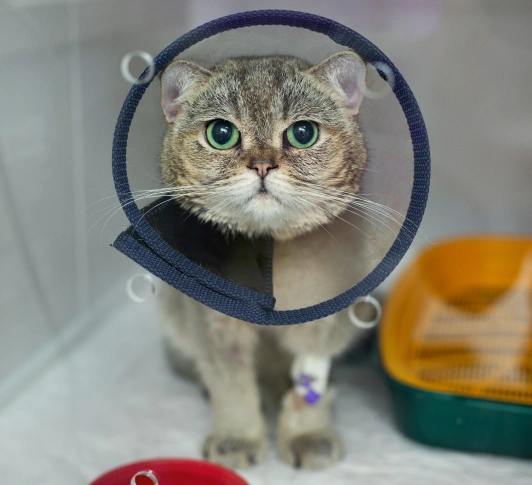
Signs Your Cat May Need Surgical Care
Behavior changes often give the first clue that something is wrong. Cats may eat less, hide more often, or move differently when they are uncomfortable. Early attention allows a veterinarian to evaluate the situation and recommend the right treatment.
Cat surgery may be needed for injuries, internal issues, or the removal of growths that cannot be treated with medication alone. Acting early can prevent complications and improve recovery. Choosing a timely pet surgery gives your cat the best chance to return to a healthy, active routine.

Surgical Options That Match Your Cat’s Needs
Surgical care includes a wide range of procedures, from routine treatments to more advanced care. Each plan is built around your cat’s age, condition, and overall health. A structured approach helps ensure safe and steady results.
- Spay and Neuter Procedures: These common surgeries help prevent unwanted litters, reduce certain health risks, and promote long-term wellness.
- Soft Tissue Procedures: Surgeries involving organs, skin, and muscles help treat internal concerns, remove growths, and improve your cat’s comfort.
- Orthopedic Care: Procedures involving bones and joints help restore movement and reduce discomfort caused by injuries or mobility issues.
- Preventive Treatments: Some surgeries help reduce the chance of future health concerns and maintain long-term well-being.
- Urgent Procedures: Sudden injuries or serious conditions may require immediate surgical attention to stabilize your cat’s health.
- Advanced and Complex Procedures: Detailed surgical techniques are used to address serious internal conditions or injuries requiring precise care.
All these options are part of a full range of animal surgery services designed to restore health and improve quality of life.
Preparing Your Cat for a Smooth Procedure
Preparation plays an important role in successful outcomes. Before any procedure, a veterinarian performs a detailed exam and may recommend diagnostic tests. These steps help create a plan tailored to your cat’s specific needs.
We provide clear instructions before the day of surgery, including feeding guidelines and activity restrictions. Following these steps helps reduce risks and ensures that feline surgery is performed safely. A well-prepared plan allows the entire process to move forward with confidence.
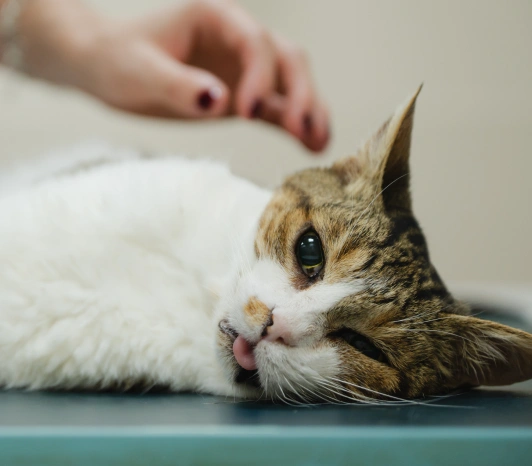
Keeping Your Cat Calm With Careful Anesthesia
Anesthesia allows your cat to remain relaxed and still during surgery, which helps improve safety and accuracy. Each plan is adjusted based on your cat’s age, health, and condition. A veterinarian monitors your cat closely throughout the procedure.
Modern equipment tracks vital signs such as heart rate and breathing. Constant monitoring allows quick responses if any changes occur. A well-managed anesthesia process makes veterinary surgery safer and helps your cat recover more smoothly afterward.
Gentle Care to Manage Pain After Surgery
Comfort after surgery is essential for proper healing. Cats recover better when discomfort is controlled, allowing them to rest without stress. A tailored pain management plan helps your cat feel at ease during recovery.
Pain relief may include medications and simple care instructions. We guide you through every step so you know how to help your cat heal. Proper care after vet surgery for cats ensures steady recovery and helps prevent complications.
Advanced Solutions for Complex Conditions
Some health concerns require more detailed procedures that go beyond routine care. Complex surgery involves careful planning and precise techniques to treat serious conditions. Each case is handled with attention to detail.
Advanced feline surgery may include treatment for internal organ issues, severe injuries, or specialized conditions. These procedures fall within the broader scope of veterinary surgery, offering solutions when basic treatments are insufficient. A structured approach helps guide your cat safely through each stage.
What Happens on Surgery Day
Understanding the process can make the procedure less stressful for pet owners. A clear plan ensures that every step is handled with care from start to finish.
- Check-in process: Your cat’s medical history is reviewed, and all details are confirmed before surgery begins.
- Preparation stage: Your cat is gently prepared for anesthesia to ensure safety and comfort.
- Surgical procedure: The veterinarian performs the surgery while closely monitoring vital signs.
- Recovery period: Your cat is observed as they wake up to ensure a safe, stable transition.
Each step is designed to provide a reliable surgical service for cats while keeping your pet’s well-being at the center of care.

Helping Your Cat Heal Comfortably at Home
Recovery continues after your cat returns home, making proper care essential. Clear instructions help pet owners provide the right level of care during this time. Following these steps can make a noticeable difference in healing.
Limiting activity, keeping the surgical area clean, and giving medications as directed are important parts of recovery. Creating a quiet and comfortable space helps your cat rest without stress. Follow-up visits allow the vet to check progress and ensure healing is on track.
A steady recovery plan helps ensure that cat surgery leads to long-term health improvements.
Warning Signs That Should Not Be Ignored
Cats often show subtle signs when something is wrong, so paying attention to small changes is important. Early action can help prevent serious complications and improve outcomes.
- Appetite changes: A sudden loss of interest in food may signal an underlying issue.
- Hiding behavior: Increased hiding can indicate discomfort or illness.
- Visible lumps: New growths should be evaluated to determine the next step.
- Movement changes: Difficulty jumping or walking may point to joint or bone concerns.
Recognizing these signs early can make each surgical service for cats more effective and improve the success rate.
Why Surgical Care Matters for Your Cat’s Health
Surgical care plays a key role in restoring comfort and improving daily life. Addressing health concerns early helps prevent long-term issues and supports overall well-being. A thoughtful approach ensures that every procedure is handled with care.
Pet owners benefit from clear communication and a structured process that keeps them informed at every stage. Confidence grows when every detail is explained simply and honestly. Reliable care helps make the journey easier for both cats and their families.
A Healthier Life for Your Cat Starts Here
Better days begin with the right care at the right time. We use advanced methods and a calm approach to deliver safe and effective surgical care for cats. Our team provides trusted solutions designed to improve comfort and help your cat return to daily life with ease.
Cats may need surgery to treat injuries, remove growths, or address internal concerns that affect their quality of life. Taking action at the right time can prevent complications and improve long-term health. Book an appointment with Haw Creek Animal Hospital today to explore the best options for cat surgery in Asheville and give your pet the care they deserve. Our team is here to guide you through every step and provide thoughtful care.
Frequently Asked Questions
Most cats need to avoid jumping for several days or weeks, depending on the procedure. A veterinarian provides guidance to prevent strain and allow proper healing during the recovery period.

