

Cat Diagnostic Care for Better Health and Longer Lives
Cats are known for hiding discomfort, which makes early detection of illness more important than ever. At Haw Creek Animal Hospital, we focus on careful observation and advanced testing to uncover hidden health concerns before they become serious problems. Our approach to cat diagnostic care in Asheville is centered on accuracy, comfort, and timely answers that help guide the right treatment plan for your cat.
Every visit begins with a detailed review of your cat’s health history and current behavior. Subtle changes in appetite, energy, or grooming habits often point to underlying issues. Through thoughtful exams and modern tools, our veterinary team works to identify problems early and keep your cat on the path to better health.
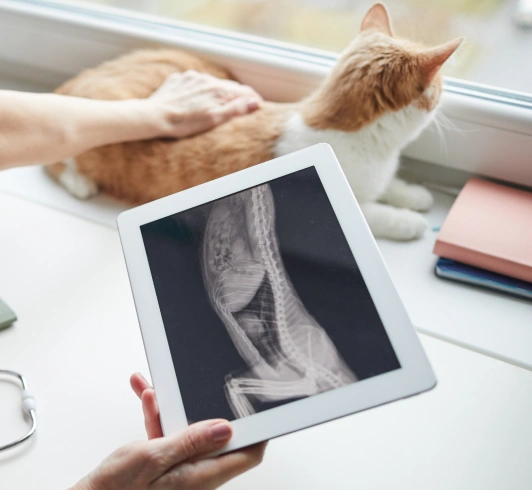
Why Early Testing Makes a Real Difference
Cats often mask symptoms until a condition has progressed. Early testing helps detect disease in its initial stages when treatment options are more effective and less invasive. Diagnostic care for cats provides clear insight into your cat’s internal health that cannot be seen during a physical exam alone.
Routine testing also helps track changes over time. Even healthy cats benefit from baseline results that allow veterinarians to compare future tests and identify concerns early. Regular screening builds a clearer picture of your cat’s health and helps prevent unexpected emergencies.

Signs Your Cat May Need Diagnostic Testing
Behavioral and physical changes can signal the need for further evaluation. Paying attention to these signs helps ensure your cat gets care when it matters most.
- Loss of appetite: Cats skipping meals may be experiencing an underlying illness or discomfort that warrants evaluation.
- Weight changes: Sudden weight gain or loss can indicate metabolic or digestive issues that require testing.
- Low energy levels: Lethargy often signals infections, organ concerns, or chronic conditions.
- Changes in litter habits: Difficulty urinating or unusual stool can indicate urinary or digestive problems.
- Vomiting or diarrhea: Ongoing issues may require lab testing to identify the root cause.
Recognizing these symptoms early allows veterinary teams to act quickly and improve outcomes.
Laboratory Testing That Provides Clear Answers
Laboratory testing plays a key role in identifying internal health conditions. Our veterinary team uses reliable tools to deliver fast and accurate results during your cat’s visit. These tests help evaluate organ function, detect infections, and monitor overall health.
In-House Testing for Quick Results
Having access to advanced equipment allows us to perform many tests right in our clinic. We use Idexx machines for in-house bloodwork and electrolyte testing, ensuring accurate and timely results. Our team performs a complete blood count (CBC), fecal exams, urinalyses, and selected cytology tests.
We also offer specialized “snap” tests that detect conditions such as heartworm disease and infectious diseases like FeLV. Quick results help our vets begin treatment sooner, which can make a meaningful difference in your cat’s recovery.
External Lab Testing for Deeper Insights
Some conditions require more detailed analysis beyond in-house testing. For these cases, we intentionally partner with Antech for send-out lab work. Using a separate laboratory ensures a broader range of testing and adds another layer of evaluation for complex cases.
Combining in-house diagnostic care for cats with external lab testing gives a more complete understanding of your cat’s health. Taking a balanced approach allows veterinarians to confirm findings and create a more targeted care plan.
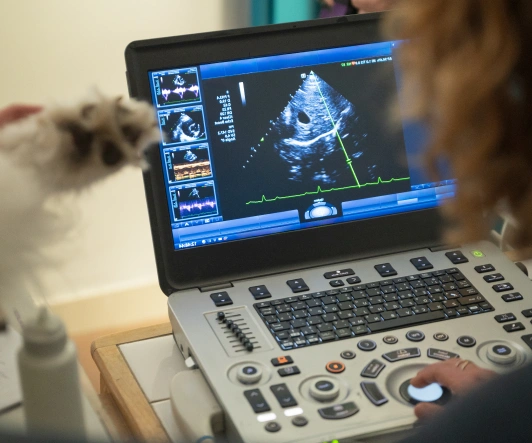
Ultrasound Imaging for a Closer Look
Ultrasound imaging provides a non-invasive way to examine your cat’s internal organs in real time. It helps identify abnormalities that cannot be detected through physical exams or basic testing alone. The process is gentle and does not require surgery, making it safe for cats of all ages.
Ultrasound is especially useful for evaluating the liver, kidneys, bladder, and other soft tissues. It also helps detect fluid buildup, tumors, and internal changes that need further attention. By combining imaging with lab results, veterinarians gain a clearer picture of what is happening inside your cat’s body.
A Thoughtful Approach to Every Diagnosis
Each cat is unique, which means diagnostic plans are tailored to individual needs. Age, breed, lifestyle, and medical history all play a role in determining the right tests. Our veterinary team takes time to explain each step, so you understand what is being done and why it matters.
Comfort is also a priority during testing. Gentle handling techniques help reduce stress and create a calm environment for your cat.
Preventive Testing for Long-Term Wellness
Diagnostic testing is not only for sick cats. Preventive care plays an important role in maintaining long-term health. Routine screenings help detect early changes before symptoms appear, allowing for proactive care.
Annual or semi-annual testing is often recommended based on your cat’s age and health status. Senior cats, in particular, benefit from more frequent monitoring since they are at higher risk for chronic conditions. Preventive testing helps catch issues early and supports a better quality of life.
Understanding Results and Next Steps
Receiving test results can feel overwhelming, especially when unfamiliar terms are involved. Our veterinary team breaks down each result in simple language, making it easier to understand what it means for your cat’s health.
Once results are reviewed, a clear plan is created to address any findings. Treatment options, lifestyle adjustments, and follow-up care are discussed in detail. Open communication ensures you feel confident in the decisions being made for your cat.
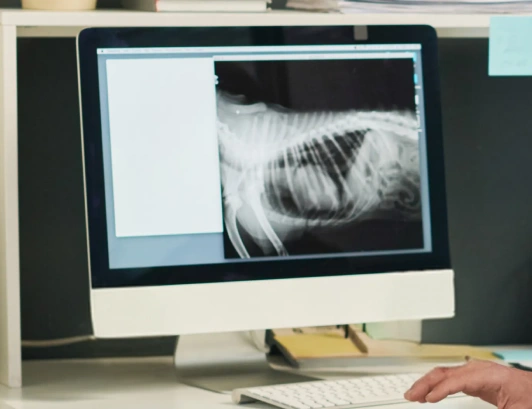
When Advanced Diagnostics Become Necessary
Certain conditions require a deeper level of investigation. When initial tests do not provide clear answers, additional diagnostics may be recommended. These can include repeated lab work, imaging, or specialized evaluations.
Advanced testing allows vets to rule out serious conditions and focus on the most likely cause of symptoms. Early and accurate diagnosis leads to better treatment outcomes and helps avoid unnecessary procedures.
Helping Cats Feel Comfortable During Testing
Stress can affect both your cat’s experience and the accuracy of results. Creating a calm environment plays a key role in successful diagnostics. Gentle handling, quiet spaces, and pet-focused care help reduce anxiety during visits.
Owners can also help by bringing familiar items, such as a blanket or toy, to appointments. Small steps like these make the process smoother and more comfortable for your cat.
What Makes Diagnostic Care Valuable for Your Cat
Accurate testing also helps avoid guesswork. Instead of relying on symptoms alone, veterinarians use data to guide decisions and create targeted care plans, which leads to more effective treatment and a healthier life for your cat.
Every cat deserves careful attention and accurate health testing. With cat diagnostic care in Asheville, your pet can receive the detailed evaluation needed to detect concerns early and maintain long-term wellness. We provide thorough testing and thoughtful care designed to meet your cat’s unique needs.
Health issues often develop quietly, which is why early testing can make such a difference in your cat’s life. Contact Haw Creek Animal Hospital today and let our veterinarian team guide you through the next steps in your cat’s care. Our team is here to provide clear answers and help your cat feel better with every visit.
Frequently Asked Questions
Frequency depends on age, lifestyle, and health history. Younger cats may only need annual testing, while older cats benefit from more frequent screenings to monitor changes over time.

