

Caring Hands When Your Dog Needs Surgical Help
Health concerns can arise at any stage of a dog’s life, and some situations require more than just routine care. At Haw Creek Animal Hospital, families can find reliable dog surgery in Asheville designed to restore their pet’s comfort and improve daily life. Each procedure is approached with careful planning and clear communication, helping pet owners feel informed every step of the way.
Many pet owners feel uneasy when surgery becomes necessary, yet timely care can make a lasting difference in a dog’s well-being. A trusted veterinarian works closely with families to explain the need for treatment, outline the process, and answer questions calmly and simply. Clear guidance helps reduce stress and ensures that every decision feels thoughtful and well understood.
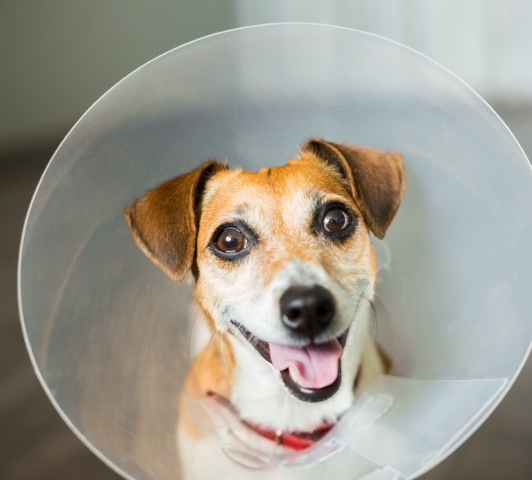
Understanding When Surgery Becomes Necessary
Dogs cannot always express pain clearly, so changes in behavior often signal deeper concerns. Early attention can prevent small issues from becoming serious health problems. A detailed exam allows a veterinarian to determine whether surgery is the most effective treatment option.
Conditions that may require surgical care include injuries, growth removal, internal concerns, and mobility issues. Each case is unique, which is why careful evaluation plays a key role in planning. Choosing the right time for pet surgery can help restore comfort and prevent further complications, giving dogs a better chance at a healthy, active life.

A Closer Look at Surgical Options for Dogs
Surgical care includes a wide range of procedures that address both routine and more complex health concerns in dogs. Each treatment plan is created with careful attention to your dog’s age, lifestyle, and overall condition.
- Spay and neuter procedures: These common surgeries help prevent unwanted litters and reduce certain health risks. They can also support better long-term behavior and overall wellness for your dog.
- Soft tissue procedures: These surgeries focus on areas such as the skin, organs, and muscles. They are often used to remove growths, treat wounds, or correct internal issues that may affect your dog’s daily comfort and health.
- Orthopedic care: Procedures involving bones, joints, and ligaments help restore movement and reduce discomfort. Dogs dealing with injuries or joint concerns can benefit from improved mobility and a better quality of life.
- Preventive treatments: Certain surgeries are performed to reduce the risk of future health problems. Early intervention can help avoid more serious conditions and support long-term wellness.
- Urgent procedures: Some situations require immediate surgical attention, such as accidents or sudden illness. Quick action helps stabilize your dog’s condition and prevent further complications.
- Advanced and complex procedures: More detailed surgeries may be needed for conditions involving internal organs or severe injuries. These treatments require careful planning and precise techniques to achieve the best possible outcome.
Each of these options is part of a broader range of animal surgery services designed to restore health, improve comfort, and help dogs return to their normal routines with confidence.
Careful Planning Before Every Procedure
Preparation plays a major role in achieving positive results. Before any surgery begins, a veterinarian performs a full evaluation to assess the dog’s current health. Diagnostic tests and physical exams help create a plan tailored to each pet’s needs.
Clear instructions are provided to pet owners before the procedure, including feeding guidelines and preparation steps. A well-organized plan helps reduce risks and ensures that everything runs smoothly on surgery day. Thoughtful preparation creates a strong foundation for successful canine surgery and recovery.
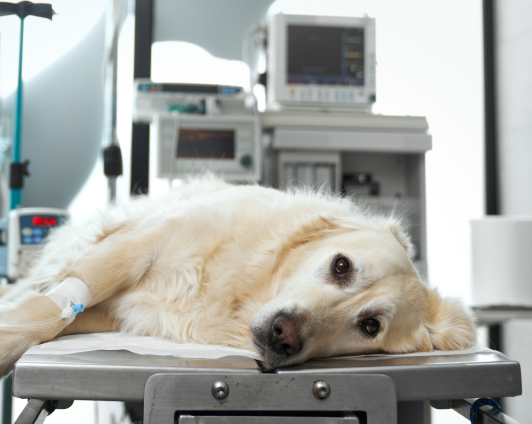
A Calm Approach to Anesthesia
Anesthesia allows dogs to remain still and relaxed during procedures, making surgery safer and more effective. Each anesthesia plan is customized based on the dog’s age, weight, and overall health condition. Careful monitoring ensures that every stage of the process remains controlled and stable.
Modern tools track heart rate, breathing, and oxygen levels throughout the procedure. Continuous observation allows the veterinary team to respond quickly to any changes. A well-managed anesthesia process helps ensure that veterinary surgery is performed safely and with attention to detail.
Helping Dogs Stay Comfortable After Surgery
Recovery is an important part of the healing process, and managing discomfort plays a major role in that journey. A structured pain management plan helps dogs rest and regain strength without unnecessary stress. Each plan is tailored to meet the dog’s specific needs.
Pain relief methods may include medications, rest guidelines, and follow-up visits. Pet owners receive clear instructions on how to care for their dogs at home. Monitoring progress helps ensure that healing continues as expected, making vet surgery for dogs easier for both pets and their families.
Advanced Procedures for More Complex Needs
Some health conditions require more detailed care that goes beyond routine procedures. Complex surgery may involve deeper evaluation and precise techniques to address serious concerns. Each case is handled with careful attention to ensure the best possible outcome.
Advanced canine surgery can help treat internal organ issues, severe injuries, and specialized orthopedic conditions. A detailed approach ensures that each step is planned with accuracy and care. These procedures fall within the broader scope of veterinary surgery, offering solutions for conditions that cannot be managed with basic treatments alone.
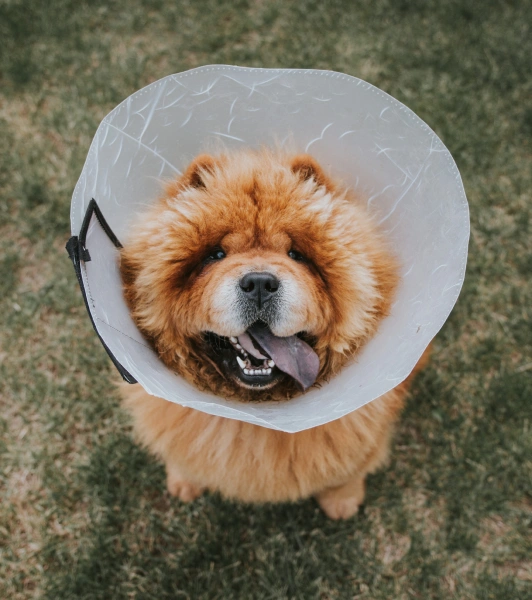
What to Expect on the Day of Surgery
Knowing what happens during the process can help pet owners feel more at ease. A clear structure ensures that each step is handled with attention and care from start to finish.
- Arrival and check-in: Staff reviews medical details and confirms all necessary information before the procedure begins.
- Pre-surgery preparation: Dogs are carefully prepared to ensure safety and comfort before anesthesia is administered.
- Surgical procedure: The veterinarian performs the procedure while monitoring vital signs throughout.
- Recovery monitoring: Dogs are observed closely as they wake up, ensuring a smooth and stable transition.
Each stage is designed to deliver reliable surgical service for dogs while keeping pets safe and comfortable.
Simple Steps for a Smooth Recovery at Home
Healing continues after leaving the clinic, making home care an essential part of the process. Clear instructions help pet owners provide the right level of care during recovery. Following these steps can make a significant difference in how quickly a dog returns to normal activities.
Limiting physical activity, checking the surgical site, and giving medications as directed are key parts of recovery. Follow-up visits allow the veterinarian to assess progress and address any concerns. A steady recovery plan ensures that dogs heal properly after surgery and regain their strength over time.
Signs That Should Never Be Ignored
Recognizing early warning signs can help prevent serious complications. Dogs often show subtle changes when something is wrong, so paying attention to behavior is important.
- Reduced activity: A sudden drop in energy may indicate pain or discomfort that needs attention.
- Visible lumps: New growths should be examined to determine whether they require removal.
- Digestive changes: Ongoing issues like vomiting or loss of appetite can signal deeper concerns.
- Difficulty moving: Limping or stiffness may point to joint or bone problems requiring care.
Early action can make dog surgery more effective and reduce the risk of long-term health issues.
Why Surgical Care Plays a Vital Role in Pet Health
Surgical care is not only about treating immediate problems, but also about improving overall quality of life. A thoughtful approach helps address health concerns while preventing further complications. Each step is designed to ensure that dogs receive the care they need in a safe and controlled environment.
Pet owners benefit from clear communication and a structured process that keeps them informed at every stage. Confidence grows when every detail is explained simply and honestly. Reliable care helps turn a challenging situation into a manageable experience for both pets and their families.
A Better Path Toward Healing Starts Here
Every dog deserves the chance to live a comfortable and active life, even when medical challenges arise. Haw Creek Animal Hospital provides trusted care, helping pets return to their daily routines with improved health and comfort. A focused approach to each surgical service for dogs ensures that each procedure is handled with attention and clarity.
When a dog shows signs of discomfort or health concerns, timely care can make a meaningful difference. Choosing our dog surgery in Asheville allows pet owners to take an important step toward improving their pet’s well-being. Book an appointment with Haw Creek Animal Hospital today to discuss your dog’s needs and explore the best treatment options available. Our team is ready to guide you through every stage and provide the care your dog needs.
Frequently Asked Questions
Many pet owners ask about common procedures, which often include spaying, neutering, mass removal, and injury repair. A veterinarian recommends the right option based on your dog’s condition and overall health needs.

