Understanding the right vaccination timeline is essential for keeping your feline friend safe and healthy. Whether you’re focused on kitten care or managing the health of an adult cat, vaccines play a critical role in preventing serious diseases. In this guide, we break down the complete vaccination schedule, explain why each shot matters, and help you stay on track with your cat’s healthcare needs.
What Is a Cat Vaccination Schedule and Why It Matters
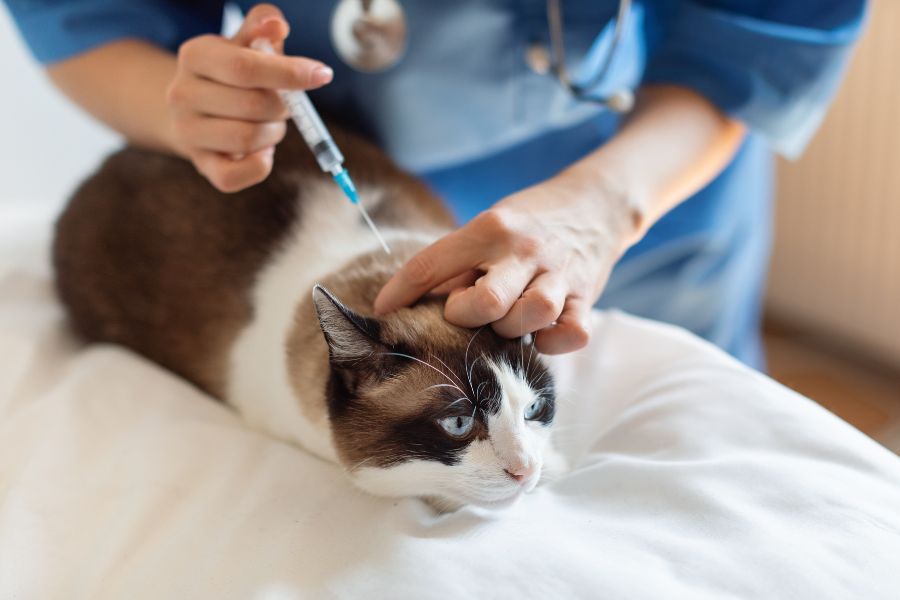
A cat vaccination schedule is a structured timeline that outlines when your cat should receive specific vaccines. These vaccines protect against contagious and potentially life-threatening diseases.
For both kitten care and adult cat wellness, vaccinations are one of the most important preventive tools. They help build immunity early in life and maintain protection as your cat ages.
Core Benefits of Vaccination:
- Prevents serious illnesses like rabies and distemper
- Reduces the spread of infectious diseases
- Supports long-term health and lifespan
- Often required by law or boarding facilities
Core vs Non-Core Vaccines for Cats
Before diving into the schedule, it’s important to understand the two main vaccine categories.
Core Vaccines (Essential for All Cats)
These are recommended for every cat, regardless of lifestyle:
- Rabies
- FVRCP (Feline Viral Rhinotracheitis, Calicivirus, Panleukopenia)
Non-Core Vaccines (Lifestyle-Based)
These depend on your cat’s environment and risk exposure:
- Feline Leukemia Virus (FeLV)
- Bordetella
- Chlamydia felis
Your veterinarian will recommend non-core vaccines based on whether your cat goes outdoors, interacts with other cats, or lives in multi-pet households.
Kitten Care: Vaccination Schedule from 6 to 16 Weeks
Proper kitten care starts early, and vaccinations usually begin at around 6 to 8 weeks of age.
Typical Kitten Vaccination Timeline:
6 to 8 Weeks:
- First dose of FVRCP
10 to 12 Weeks:
- Second dose of FVRCP
- First FeLV vaccine (if recommended)
14 to 16 Weeks:
- Third dose of FVRCP
- Second FeLV vaccine
- Rabies vaccine
Important Notes for Kitten Care:
- Kittens receive multiple boosters because their immune systems are still developing
- Maternal antibodies can interfere with early vaccines, making boosters necessary
- Keeping kittens indoors until fully vaccinated is strongly advised
Following this schedule ensures your kitten builds strong immunity during the most vulnerable stage of life.
Adult Cat Vaccination Schedule Explained
Once your cat reaches adulthood, the vaccination schedule becomes less frequent but remains just as important.
Adult Cat Core Vaccines:
- FVRCP Booster: Every 1 to 3 years
- Rabies Booster: Every 1 to 3 years, depending on vaccine type and local laws
Adult Cat Non-Core Vaccines:
- FeLV: Recommended annually for at-risk cats
- Other vaccines based on lifestyle and exposure
Key Considerations for Adult Cat Care:
- Indoor cats may still need core vaccines
- Outdoor cats require more frequent and additional protection
- Regular vet visits help determine the right schedule
Maintaining an updated vaccination routine is essential for every adult cat, even if they appear healthy.
Indoor vs Outdoor Cats: Does the Schedule Change?
Yes, your cat’s lifestyle significantly impacts their vaccination needs.
Indoor Cats:
- Lower exposure risk, but still need core vaccines
- Occasional boosters remain essential
Outdoor Cats:
- Higher risk of infections and disease exposure
- May require additional vaccines like FeLV
- More frequent vet checkups are recommended
Even strictly indoor cats can be exposed to viruses brought in on clothing or through open windows, so skipping vaccines is not advised.
Common Side Effects of Cat Vaccinations
Most vaccines are safe, but mild side effects can occur.
Typical Reactions:
- Mild fever
- Decreased appetite
- Slight swelling at the injection site
- Temporary lethargy
When to Call the Vet:
- Persistent vomiting or diarrhea
- Facial swelling or difficulty breathing
- Severe lethargy lasting more than 48 hours
Serious reactions are rare, but it’s always important to monitor your cat after vaccinations.
How to Keep Track of Your Cat’s Vaccination Schedule
Staying organized is key to effective kitten care and adult cat health management.
Tips to Stay on Track:
- Use a pet health app or calendar reminders
- Keep a physical vaccination record
- Schedule annual wellness exams
- Follow your vet’s recommended timeline
Consistency ensures your cat remains protected throughout their life.
Why Regular Vet Visits Matter Alongside Vaccination
Vaccines are just one part of a complete healthcare plan. Regular veterinary visits help detect health issues early and keep your cat in optimal condition.
During Routine Visits, Vets Check:
- Weight and nutrition
- Dental health
- Parasite control
- Behavioral changes
Combining vaccinations with routine exams provides comprehensive care for both kittens and adult cats.
A well-planned vaccination schedule is one of the most effective ways to protect your cat from preventable diseases. From early kitten care to maintaining the health of an adult cat, staying consistent with vaccines ensures a longer, healthier life for your pet. If you’re unsure about your cat’s vaccination needs or schedule, book an appointment with Haw Creek Animal Hospital in Asheville, NC today and give your feline companion the care they deserve.
FAQs:
Q1: When should kittens get their first vaccines?
Ans: Kittens should receive their first vaccines at around 6 to 8 weeks of age as part of early kitten care.
Q2: How often does an adult cat need vaccinations?
Ans: Most adult cats need core vaccine boosters every 1 to 3 years depending on their health and lifestyle.
Q3: Are indoor cats required to be vaccinated?
Ans: Yes, indoor cats still need core vaccines because they can be exposed to diseases indirectly.
Q4: What happens if I miss my cat’s vaccination schedule?
Ans: If you miss a vaccine, consult your vet. Your cat may need a booster or restart the schedule.
Q5: Is the FeLV vaccine necessary for all cats?
Ans: FeLV is recommended mainly for outdoor or high-risk cats, but your vet will advise based on your cat’s lifestyle.