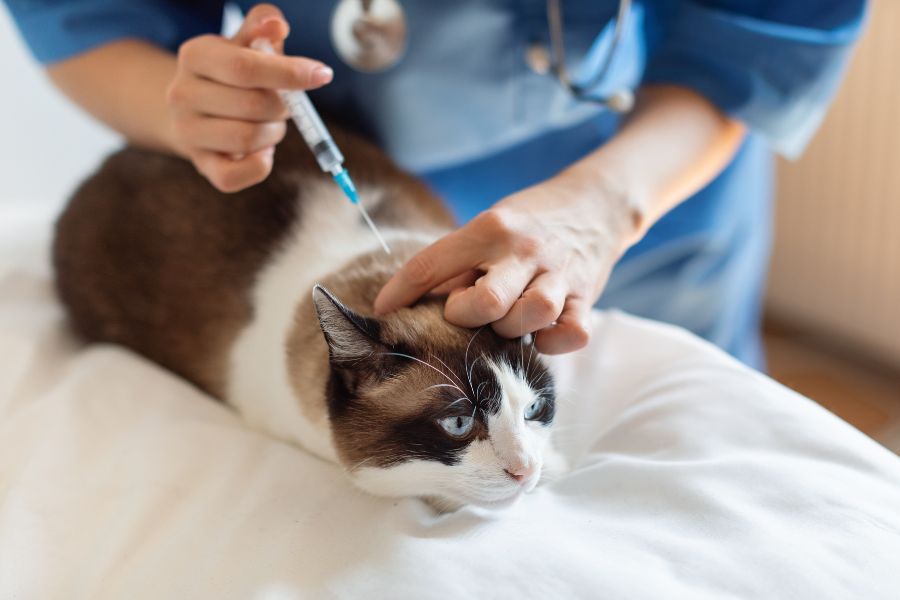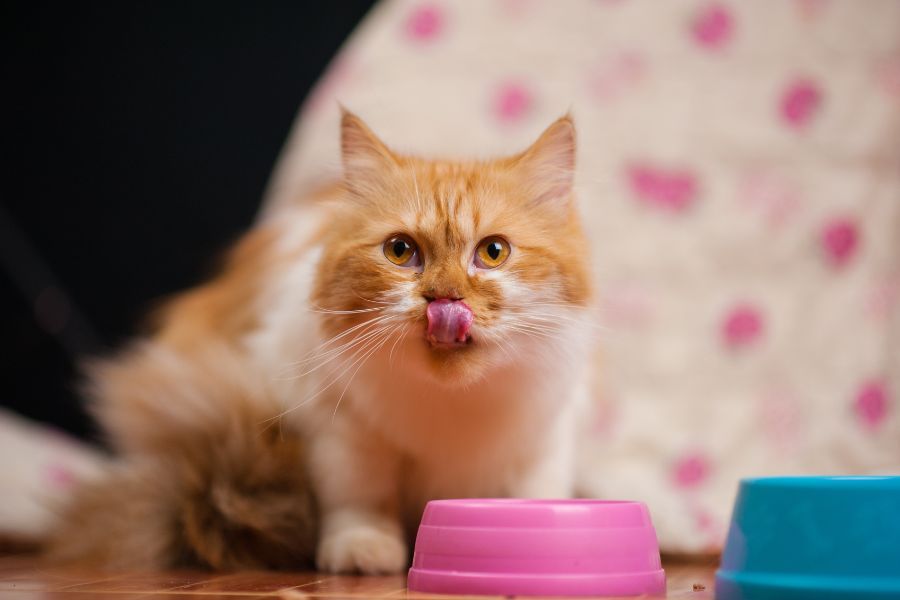
Bringing home a new kitten is exciting, but digestive problems can quickly turn that excitement into worry. Soft stools, diarrhea, vomiting, bloating, or poor appetite are common concerns during the first few months of life. A kitten’s digestive system is still developing, which makes proper nutrition extremely important. Feeding the right food in the right way can make a big difference in your kitten’s comfort, growth, and long-term health. If you are dealing with tummy troubles, this guide will help you understand what causes digestive issues and how to safely feed your kitten while supporting healthy development.
Why Do Kittens Develop Digestive Issues?
Kittens have sensitive stomachs. Even small changes can upset their system. Some of the most common causes include:
- Sudden food changes
- Food intolerance or sensitivity
- Intestinal parasites
- Bacterial imbalance
- Stress from moving to a new home
- Overfeeding
- Eating inappropriate items
In growing kittens, even mild digestive upset can lead to dehydration or poor weight gain. That’s why early attention and proper feeding are so important, especially during critical puppy and kitten care stages.
Signs Your Kitten May Have Digestive Problems
Watch closely for these symptoms:
- Loose stools or diarrhea
- Vomiting
- Excessive gas
- Bloated belly
- Lack of appetite
- Weight loss or slow growth
- Lethargy
If symptoms last more than 24–48 hours, or if your kitten seems weak or dehydrated, prompt evaluation is important. Young kittens can decline quickly.
Choosing the Right Food for a Sensitive Kitten
When managing digestive issues, diet is your most powerful tool.
1. Look for Highly Digestible Protein
Choose kitten food with easily digestible protein sources such as chicken or turkey. Avoid foods with multiple protein types if you suspect a food sensitivity.
2. Limited Ingredient Diets
Limited ingredient formulas reduce the number of potential irritants. These are often helpful for kittens with suspected food intolerance.
3. Prescription Gastrointestinal Diets
In moderate to severe cases, a veterinarian may recommend a therapeutic gastrointestinal diet designed to soothe the digestive tract and improve nutrient absorption.
4. Avoid Frequent Food Changes
Switching foods too often can worsen stomach upset. If a change is necessary, transition slowly over 7–10 days.
Wet vs. Dry Food: Which Is Better?
Both options can work, but for kittens with digestive problems:
- Wet food is often easier to digest and provides added hydration.
- Dry food may work well if specifically formulated for sensitive digestion.
In many cases, a combination feeding plan works best. Hydration is especially important in kittens experiencing diarrhea.
How to Transition to a New Food Safely
Never switch food abruptly unless directed by a veterinarian. Follow this schedule:
- Days 1–3: 75% old food, 25% new food
- Days 4–6: 50% old food, 50% new food
- Days 7–9: 25% old food, 75% new food
- Day 10: 100% new food
If digestive symptoms worsen, pause the transition and consult your veterinarian.
Feeding Schedule for Kittens with Digestive Issues
Young kittens should eat small, frequent meals to reduce stomach strain.
Under 4 months old: 4 small meals per day
4–6 months old: 3 meals per day
6+ months old: 2–3 meals per day
Avoid free feeding when managing digestive problems. Scheduled meals allow better monitoring of appetite and stool quality.
The Role of Probiotics and Supplements
Probiotics can help restore healthy gut bacteria. These supplements support digestion and may reduce diarrhea. Always consult a veterinary professional before starting any supplement. Not all over-the-counter products are safe for kittens.
Other supportive options may include:
- Digestive enzymes
- Fiber supplements (if recommended)
- Omega-3 fatty acids for inflammation
Managing Hydration
Dehydration is one of the biggest risks with digestive upset.
Encourage hydration by:
- Offering fresh water at all times
- Feeding moisture-rich canned food
- Using pet water fountains
- Adding a small amount of warm water to meals
If your kitten shows signs of dehydration (dry gums, lethargy, skin tenting), immediate care is necessary.
Parasite Control and Digestive Health
Intestinal parasites are common in kittens and can cause:
- Diarrhea
- Pot-bellied appearance
- Poor weight gain
Routine deworming and fecal testing are essential parts of puppy and kitten care. Even indoor kittens can carry parasites.
Stress and Its Impact on Digestion
Moving to a new home in Asheville, NC, exposure to new pets, or loud environments can trigger digestive upset in young kittens.
Reduce stress by:
- Creating a quiet feeding area
- Maintaining a consistent routine
- Avoiding sudden diet changes
- Introducing new pets slowly
A calm environment supports a healthier gut.
Long-Term Digestive Health Tips
Once your kitten’s stomach stabilizes, focus on prevention:
- Keep diet consistent
- Avoid table scraps
- Schedule routine wellness exams
- Maintain parasite prevention
- Monitor stool quality regularly
- Choose age-appropriate kitten food
Healthy digestion supports strong immunity, steady growth, and better nutrient absorption.
Creating a Feeding Plan That Works
Every kitten is different. Breed, age, activity level, and medical history all influence dietary needs. A personalized feeding plan may include:
- Specific calorie calculations
- Growth monitoring
- Stool tracking
- Scheduled rechecks
In Asheville, NC, local environmental factors such as outdoor exposure or multi-pet households can also impact digestive health. The key is consistency, observation, and professional guidance when needed.
When to Seek Veterinary Care
Mild digestive upset may resolve with dietary adjustments. However, seek professional care if your kitten experiences:
- Persistent vomiting
- Bloody diarrhea
- Refusal to eat
- Rapid weight loss
- Signs of pain
At Haw Creek Animal Hospital in Asheville, NC, we provide comprehensive puppy and kitten care designed to support healthy growth from the start. Our team evaluates diet, lifestyle, parasite control, and overall wellness to identify the root cause of digestive issues and create a customized nutrition plan. Early intervention helps prevent chronic digestive problems and supports long-term health.
FAQs
1. What is the best food for a kitten with a sensitive stomach?
Ans: Highly digestible, limited-ingredient kitten food is often best. In some cases, a prescription gastrointestinal diet may be recommended for optimal digestive support.
2. How long does it take for a kitten’s digestion to improve after switching food?
Ans: Most kittens show improvement within 5–10 days after a gradual diet transition. Severe cases may take longer and require veterinary evaluation.
3. Can stress cause diarrhea in kittens?
Ans: Yes, stress from moving, new environments, or schedule changes can disrupt gut bacteria and lead to loose stools.
4. Should I give my kitten probiotics?
Ans: Probiotics can help restore healthy gut balance, but they should only be used under veterinary guidance to ensure safety and proper dosing.
5. How often should kittens be dewormed?
Ans: Kittens are typically dewormed multiple times during their first few months of life. Regular fecal exams are part of proper puppy and kitten care.
6. When should I worry about my kitten’s digestive issues?
Ans: If symptoms last more than 48 hours, include blood, or are paired with lethargy or poor appetite, immediate veterinary care is recommended.