


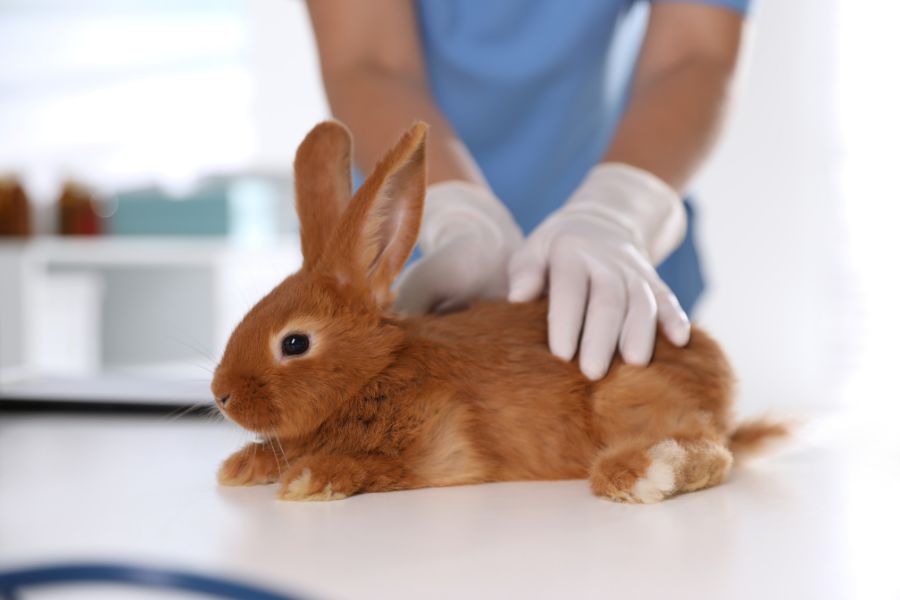
Rabbits are gentle, intelligent, and loving pets that bring joy to many households. While they may look easy to care for, rabbits have unique needs that are very different from cats or dogs. Proper rabbit care involves the right diet, a safe living space, and consistent health support.
Whether you’re a first-time rabbit owner or looking to improve your bunny’s quality of life, understanding the basics of nutrition, housing, grooming, and medical care is essential. Rabbits are considered exotic pets, and their care requires special knowledge to help them live long, healthy lives. This guide will walk you through everything you need to know about rabbit care, from feeding to wellness routines.
Understanding Rabbits as Exotic Pets
Rabbits are often mistaken for low-maintenance pets, but they are actually classified as exotic animals. That means their bodies function differently, and they require care from the experts.
A rabbit’s digestive system is delicate, their teeth grow continuously, and they can hide signs of illness until it becomes serious. This is why rabbit owners should work with professionals experienced in exotic pet care. With proper care, rabbits can live 8–12 years or more, making them a long-term companion.
Rabbit Diet: What to Feed for a Healthy Life
A balanced diet is one of the most important parts of rabbit care. The wrong food can quickly lead to digestive problems, obesity, or dental disease.
1. Hay Should Be the Main Food
Hay is essential for rabbits and should make up about 80–90% of their daily diet.
Best hay options include:
- Timothy hay
- Orchard grass
- Meadow hay
Hay supports healthy digestion and helps wear down constantly growing teeth. Fresh hay should always be available.
2. Fresh Leafy Greens Every Day
Rabbits benefit from a variety of vegetables, especially leafy greens.
Safe options include:
- Romaine lettuce
- Cilantro
- Parsley
- Kale (in moderation)
- Dandelion greens
Introduce greens slowly and watch for digestive upset.
3. Pellets in Limited Amounts
Pellets can provide nutrients, but too many can cause weight gain.
Choose high-quality pellets that are:
- High in fiber
- Low in sugar
- Free from colorful dried treats
Adult rabbits usually need only ¼ cup per 5 pounds of body weight daily.
4. Treats Should Be Occasional
Fruits and carrots should only be small treats.
Healthy treat choices:
- Apple slices (no seeds)
- Blueberries
- Strawberries
Avoid sugary snacks or store-bought rabbit treats with additives.
5. Fresh Water Is a Must
Rabbits should always have access to clean water. Water bowls are often better than bottles because they encourage natural drinking.
Creating the Perfect Rabbit Housing Setup
Your rabbit’s living space plays a big role in their comfort, safety, and mental health.
1. Give Them Room to Move
Rabbits need space to hop, stretch, and explore.
A proper enclosure should include:
- A large pen or exercise area
- Several hours of free-roam time daily
- Space for toys and hiding areas
Small cages are not suitable for long-term housing.
2. Use Safe Flooring and Bedding
Rabbits have sensitive feet. Avoid wire flooring.
Good bedding materials include:
- Paper-based bedding
- Soft hay layers
- Fleece liners
Avoid pine or cedar shavings, which can irritate the respiratory system.
3. Provide a Hiding Spot
Rabbits are prey animals and feel safest with places to hide.
Add items like:
- Wooden hide boxes
- Cardboard tunnels
- Covered shelters
A secure environment reduces stress in the pets.
4. Keep the Space Cool and Quiet
Rabbits are sensitive to heat.
Ideal temperature range: 60–70°F
Keep rabbits away from:
- Direct sunlight
- Loud noises
- Hot garages or outdoor hutches
Indoor housing is safest for most pet rabbits.
Rabbit Grooming and Daily Care
Rabbits are clean animals, but they still need help with grooming.
Brushing
Brush your rabbit weekly, and more often during shedding seasons. This helps prevent hairballs, which can be dangerous since rabbits cannot vomit.
Nail Trimming
Rabbit nails grow quickly and should be trimmed every 4–6 weeks. Overgrown nails can cause pain or injury.
Dental Monitoring
Rabbit teeth grow continuously. Without enough hay and chewing opportunities, dental issues can develop.
Signs of dental trouble:
- Drooling
- Reduced appetite
- Weight loss
- Facial swelling
Routine exams at a reliable animal clinic are important for early detection of any health issues in pets.
Common Rabbit Health Concerns
Rabbits are masters at hiding illness, so owners must watch for subtle changes.
1. Gastrointestinal Stasis (GI Stasis)
This is one of the most serious rabbit emergencies.
Symptoms include:
- No eating
- Small or no droppings
- Lethargy
- Bloated belly
Immediate medical care is critical.
2. Dental Disease
Misaligned teeth can lead to painful overgrowth and infections. Regular checkups are essential for rabbits, especially as they age.
3. Respiratory Infections
Sneezing, nasal discharge, or noisy breathing may indicate infection. Prompt treatment improves outcomes.
4. Parasites and Skin Issues
Mites, fleas, or fungal infections can cause:
- Itching
- Hair loss
- Scabs
Exotic pet professionals can recommend safe treatments.
5. Spaying and Neutering Benefits
Spaying or neutering helps prevent:
- Hormonal aggression
- Unwanted litters
- Uterine cancer (common in female rabbits)
It also supports healthier behavior and a longer life.
The Importance of Exotic Pet Veterinary Care
Rabbits require expert medical support that differs from traditional pet care. In Asheville, NC, working with a clinic experienced in exotic pet care ensures your rabbit receives proper handling, diagnostics, and treatment.
Routine wellness visits help with:
- Dental evaluations
- Weight monitoring
- Parasite prevention
- Early illness detection
Building a Happy Life for Your Rabbit
Rabbits thrive when they receive more than just food and shelter. Mental stimulation and social interaction are key.
Enrichment ideas include:
- Chew toys
- Cardboard castles
- Foraging mats
- Supervised playtime
- Gentle bonding with humans
A happy rabbit is active, curious, and comfortable in their environment. Rabbit ownership is a rewarding journey, and with the right care, your bunny can enjoy a long, healthy, and joyful life in your home. Book an appointment at Haw Creek Animal Hospital in Asheville, NC, to get compassionate rabbit care and guidance.
FAQs
1. What is the best diet for a pet rabbit?
The best diet includes unlimited hay, fresh leafy greens daily, limited pellets, and occasional healthy treats.
2. Do rabbits need regular vet checkups?
Yes. Rabbits should see an exotic pet veterinarian at least once a year for wellness exams and dental monitoring.
3. Can rabbits live outdoors in Asheville, NC?
Outdoor housing is risky due to heat, predators, and weather changes. Indoor housing is generally safer and healthier.
4. How do I know if my rabbit is sick?
Signs include reduced appetite, fewer droppings, hiding, lethargy, drooling, or breathing changes. Rabbits need fast care when symptoms appear.
5. Should rabbits be spayed or neutered?
Yes. Spaying/neutering improves behavior and prevents serious health issues, especially uterine cancer in females.
6. What makes rabbit care different from cat or dog care?
Rabbits are exotic pets with unique digestive and dental needs, requiring expert knowledge and veterinary support.

