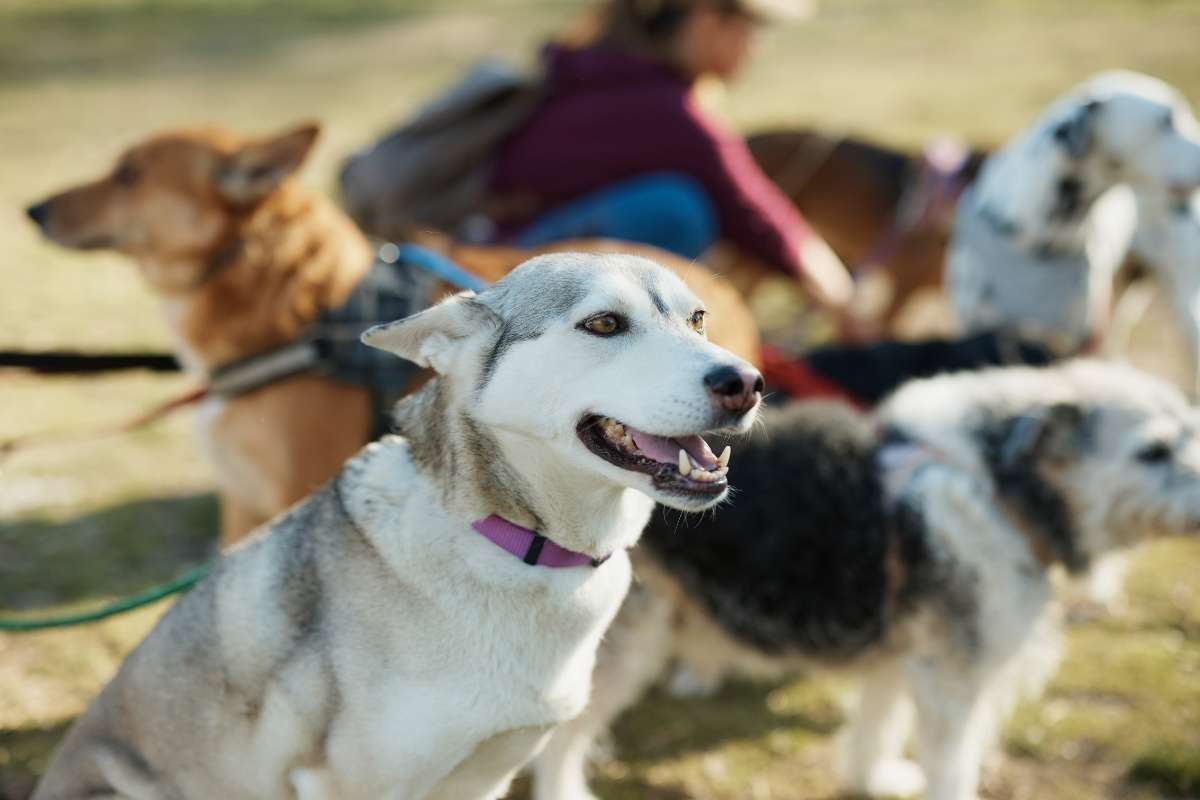
Bringing a new dog into your home can be an exciting but challenging experience, especially when it comes to ensuring they feel safe and comfortable in their new environment. This is particularly true for rescue dogs, who may have had traumatic or unknown pasts. Understanding how long it typically takes for a dog to adjust, bond, and become comfortable in their new home is crucial to setting realistic expectations. One of the best frameworks to understand this transition is the 3-3-3 rule for dogs.
The 3-3-3 rule outlines the stages of a dog’s adjustment during the first 3 days, 3 weeks, and 3 months in a new environment. Whether you’ve just adopted a rescue dog or are bringing home a new puppy, this guide will help you understand what to expect and how to support your dog during this critical adjustment period. If you are in Asheville, NC, this blog provides helpful insights tailored to ensure a smooth transition for your new furry companion.
1. What Is the 3-3-3 Rule for Dogs?
The 3-3-3 rule is a simple, effective guideline that outlines how a dog typically progresses through their adjustment period in a new home. While every dog is unique, the rule serves as a reliable framework for understanding the timeline and emotional stages your dog will likely experience.
- First 3 Days: Decompression
During the first three days in a new home, your dog will experience what is often referred to as the “decompression period.” This phase is characterized by confusion, anxiety, and stress as your dog adjusts to their new surroundings. They may hide, sleep excessively, or exhibit reluctance to eat. - First 3 Weeks: Adjustment
In the next three weeks, your dog begins to adjust to your household routines and environment. They will start forming trust, learning house rules, and beginning to show more of their personality. This is the phase where your dog starts to become comfortable in their new home, although they may still test boundaries. - First 3 Months: Building Confidence
After three months, most dogs will feel more secure and confident in their new environment. Their personality becomes more consistent, and true bonding begins. At this point, your dog will be fully integrated into your family routine, and their behavior will become more predictable.
Understanding these phases helps set realistic expectations and ensures you are prepared to support your dog throughout their transition.
2. The First 3 Days: Decompression
The first three days after bringing your dog home can be overwhelming for them. It’s important to give them the time and space they need to decompress.
- Create a Safe, Quiet Space:
Set up a designated area in your home where your dog can rest and feel secure. This could be a crate, a quiet room, or a cozy corner where they won’t be disturbed by new sights, sounds, or people. - Avoid Overstimulation:
During this period, avoid introducing your dog to too many new people or pets. Limit their exposure to new stimuli, as this can cause stress and delay their adjustment. - Be Patient with Eating:
It’s common for dogs to have a decreased appetite during the first few days. They may be feeling anxious or unsure of their surroundings. Offer small, easily digestible meals, and give them time to adjust before worrying about their appetite. - Watch for Signs of Stress:
Some signs of stress during this phase may include excessive sleeping, hiding, pacing, or whining. These behaviors are normal, but if they persist for more than a few days, consult our veterinarian to ensure there are no underlying health issues.
3. The First 3 Weeks: Adjustment
As your dog settles into their new home, they will begin to understand your routines and expectations. This period is crucial for establishing boundaries and building trust.
- Establish Routines:
Consistency is key during this stage. Stick to regular feeding times, bathroom breaks, and bedtime. Routines help your dog feel secure and understand what to expect from their new environment. - Begin Training:
During the first three weeks, it’s a good time to start basic training. Teach simple commands such as sit, stay, and come. Positive reinforcement works best during this stage—reward your dog with treats and praise for good behavior. - Introduce Family Members Gradually:
If you have other pets or family members, introduce them to your new dog gradually. Start with quiet, supervised meetings to avoid overwhelming your dog. - Observe Their Behavior:
During the adjustment phase, you’ll notice your dog’s personality starting to emerge. They may become more playful, show interest in their surroundings, or begin to bond with you and your family.
4. The First 3 Months: Building Confidence
By the time three months have passed, your dog will likely feel much more confident and comfortable in their new home.
- Strengthen the Bond:
This is when true bonding begins. Spend quality time with your dog, whether through play, walks, or cuddling. This helps build trust and deepens your relationship. - Work on Advanced Training:
After the first three months, you can focus on more advanced training, such as leash walking, socialization with other dogs, or addressing any behavioral issues that may have surfaced. - Ensure Emotional Well-being:
By now, your dog should feel secure in their environment. If they still show signs of anxiety, such as excessive barking or destructive behavior, consult a professional trainer or veterinarian for additional support. - Regular Veterinary Check-ups:
At this stage, it’s also important to schedule a veterinary check-up to ensure your dog’s physical health is on track. Your vet can also provide advice on maintaining your dog’s health as they adjust to their new routine.
5. Why the 3-3-3 Rule Matters
The 3-3-3 rule is valuable because it helps pet owners understand the typical emotional stages dogs go through when transitioning to a new home. It sets realistic expectations for the adoption process and ensures that both you and your dog are prepared for the adjustment period.
- Helps Understand Behavioral Changes:
Knowing what to expect in terms of your dog’s behavior during each phase prevents misunderstandings. For example, a dog that seems withdrawn or anxious during the first few days isn’t necessarily having a negative experience—it’s part of the natural adjustment process. - Improves Training Success:
The 3-3-3 rule allows you to time training sessions more effectively. Understanding when your dog is emotionally ready to learn helps you avoid frustration and leads to more successful training outcomes. - Supports Emotional Safety:
By being patient and following the timeline, you reduce the likelihood of your dog experiencing unnecessary stress. This fosters a healthier emotional bond between you and your dog, making them feel safe and loved.
The 3-3-3 rule for dogs is an essential framework for understanding the transition process when bringing a new dog into your home. By following this guide and giving your dog the time and space they need to adjust, you’ll ensure a smoother transition and create a stable foundation for a lasting bond. If you’re in Asheville, NC, and need guidance related to the 3-3-3 rule for dogs, book an appointment with Haw Creek Animal Hospital. Our veterinary team is here to support you and your new dog through every stage of their adjustment.
FAQs
Q1. How long does it take for a dog to adjust to a new home?
Most dogs will adjust within the 3-3-3 timeline: 3 days to decompress, 3 weeks to learn routines, and 3 months to feel fully secure.
Q2. What should I do if my adopted dog won’t eat during the first few days?
This is common during decompression. Offer a quiet space and encourage gentle feeding. If your dog refuses food for more than 48 hours, consult a veterinarian.
Q3. Is the 3-3-3 rule for dogs the same for puppies?
Puppies may adjust faster, but they still benefit from structure. Their timeline may vary based on age, socialization, and past experiences.
Q4. Can the 3-3-3 rule help with adopted dogs showing anxiety?
Yes. Understanding the timeline helps owners respond with patience and create an environment that reduces stress.
Q5. What signs show that my rescue dog is settling in?
Improved appetite, interest in play, following routines, and showing affection are clear signs your dog is growing comfortable.
Q6. Can I start training my dog immediately after bringing them home?
It’s best to wait until after the decompression period (the first 3 days) before starting training. Start with simple commands once your dog begins to feel more comfortable.